Silken Windhound Coat Colors
This page was created by the ISWS color committee: Ashley Cirimeli, Danielle Steenkamp, Margaret Caldwell, and Marcie Brunner.
The Silken Windhound comes in a diverse variety of coat colors and patterns, and expresses more coat phenotypes than any of their founding breeds.
On this page you will find detailed descriptions, photo and illustrated examples, genotypes, and how to fill out color registrations.
About Registering Colors
For your convenience, under each color and marking description, we have provided suggested color registration options for AKC, ISWS, and UKC registrations. Most registrations split registrations into two categories: color and markings.
Color codes are indicated with [Color] and marking codes are indicated with [Markings].
Not all registries will list color and marking options exactly the same way. Some colors and markings listed here will have multiple options. Some registries will differ on what is a color and what is a marking. Not all listings will fully encompass a dog’s phenotype. As an example, there isn’t an AKC marking code that would describe a white markings, ticked, black mask dog though we do have options for white markings ticked, and white markings black mask. In instances such as these, we recommend using your best judgement to describe the dog’s color.
You may also notice that we have brindle listed as both a color and a marking. This was a way to make registering grizzle brindle achievable, as the AKC color codes dont have an option for grizzle brindle together as a color. On a white spotted grizzle brindle dog, one would again have to make a choice between registering the dog as [color] grizzle [marking] brindle, or [color] grizzle [marking] spotted on white.
Sable vs Grizzle: On ISWS and UKC registrations, Sable designated dogs who are eg/eg or eg/e modifying black and tan at/at. For AKC registrations, this phenotype should be reigstered as “grizzle”. Sable in AKC registrations is the same as what is “sabled red/gold/cream” in UKC and ISWS registrations, which is shading on the AY allele (or ASIPsy on UC Davis genetic tests). At the time of choosing AKC color codes, the silken community had largely migrated to using grizzle terminology, which fixes the sable vs sabled confusion. In the vast majority of other dog breeds that have the ASIPsy phenotype (think Lassie the Collie), the word is “Sable”.
Silver vs Chinchilla: AKC does not have a color code for the word “chinchilla” and as such, these dogs will be registered as “Silver” with the AKC.
NOTE: The AKC only allows for 18 colors and 9 markings to be listed on their registration forms, and as such, additional colors and markings had to be listed as “alternates”. As a result, there are a few colors and markings that don’t have the “breed standard” green checkmark next to their listing. This is the case for many breeds that have a large variety of color in their gene pool. Color is still immaterial in the silken windhound breed. The absence of the green checkmark does not indicate the color is not to standard, for Silken Windhounds. This was a required workaround so that we could register colors as accurately as possible.
Red Intensity
Red pigment is called “phæomelanin” and expresses in a wide variety of shades, from nearly white to a rich dark mahogany (like Irish Setters). Some coat colors like brindle and “shaded yellow” can make a red silken appear to have darker red intensity by the way the black hairs appear with the red hairs, but at this time, red is the darkest intensity level that silkens express. Use this section to inform how you register silkens who express phæomelanin.
There are 3 different genotypes that can create a clear red/gold/cream silken and they are sometimes hard to differentiate from each other by phenotype.
Dominant Yellow (ASIPdy) which tests as ky/ky, E/-, Ay/- and the Ay allele is ASIPdy
Grizzle based red/gold/cream which tests as ky/ky, eg/eg or eg/e, Ay/- and the Ay allele can be either ASIPdy or ASIPsy
Recessive red, which tests as e/e and will hide all eumelanin in the hairs.
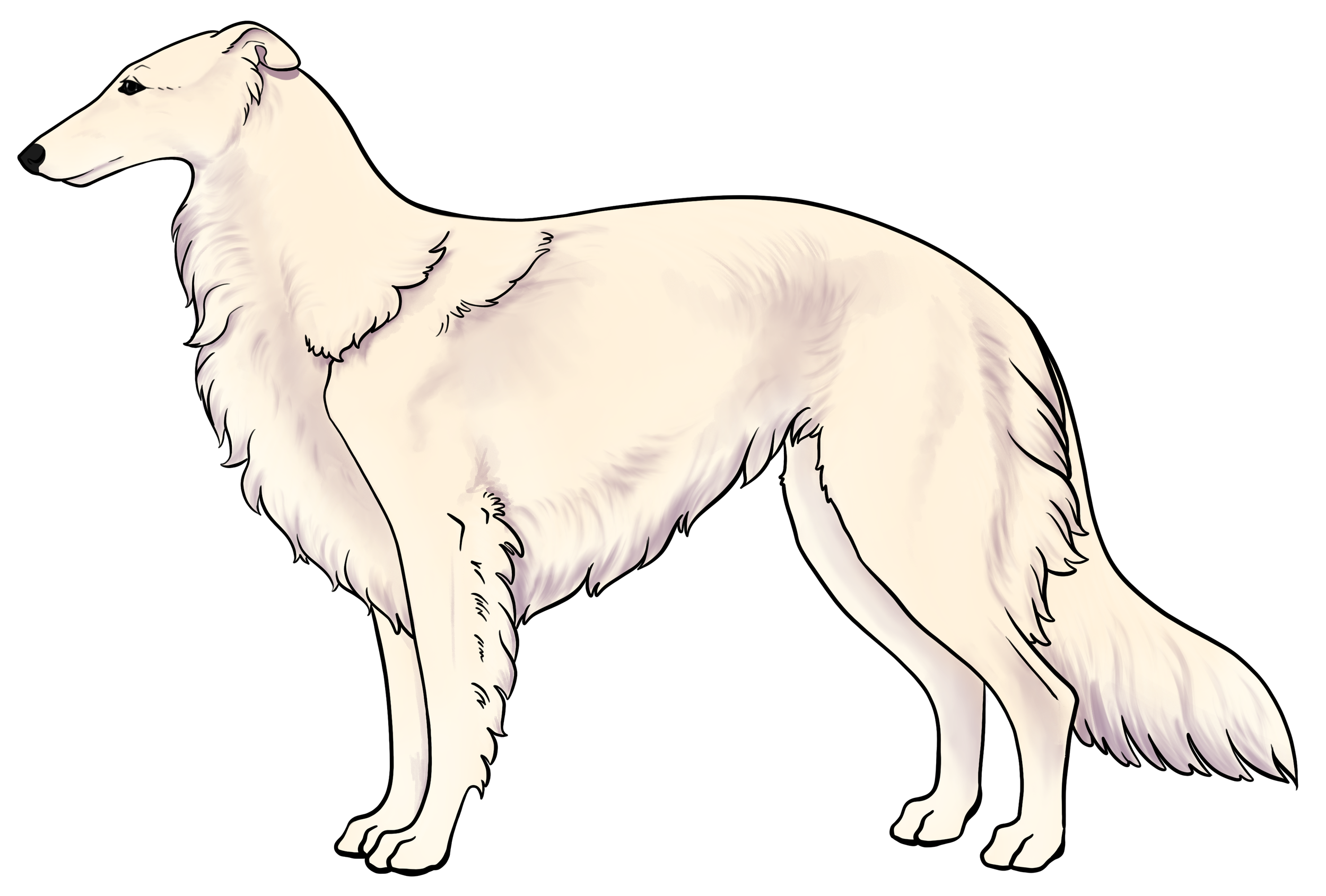
Cream - a pale expression of phæomelanin, sometimes looks white.
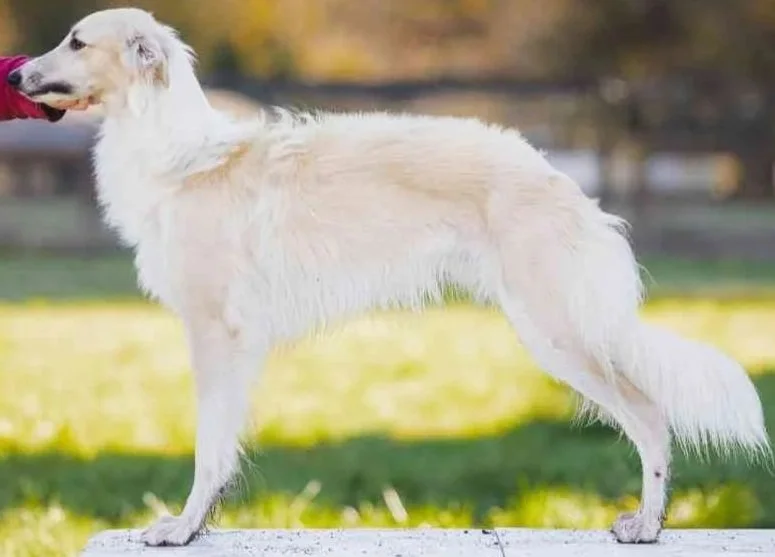
Pale cream
Photo by Pauline Ng
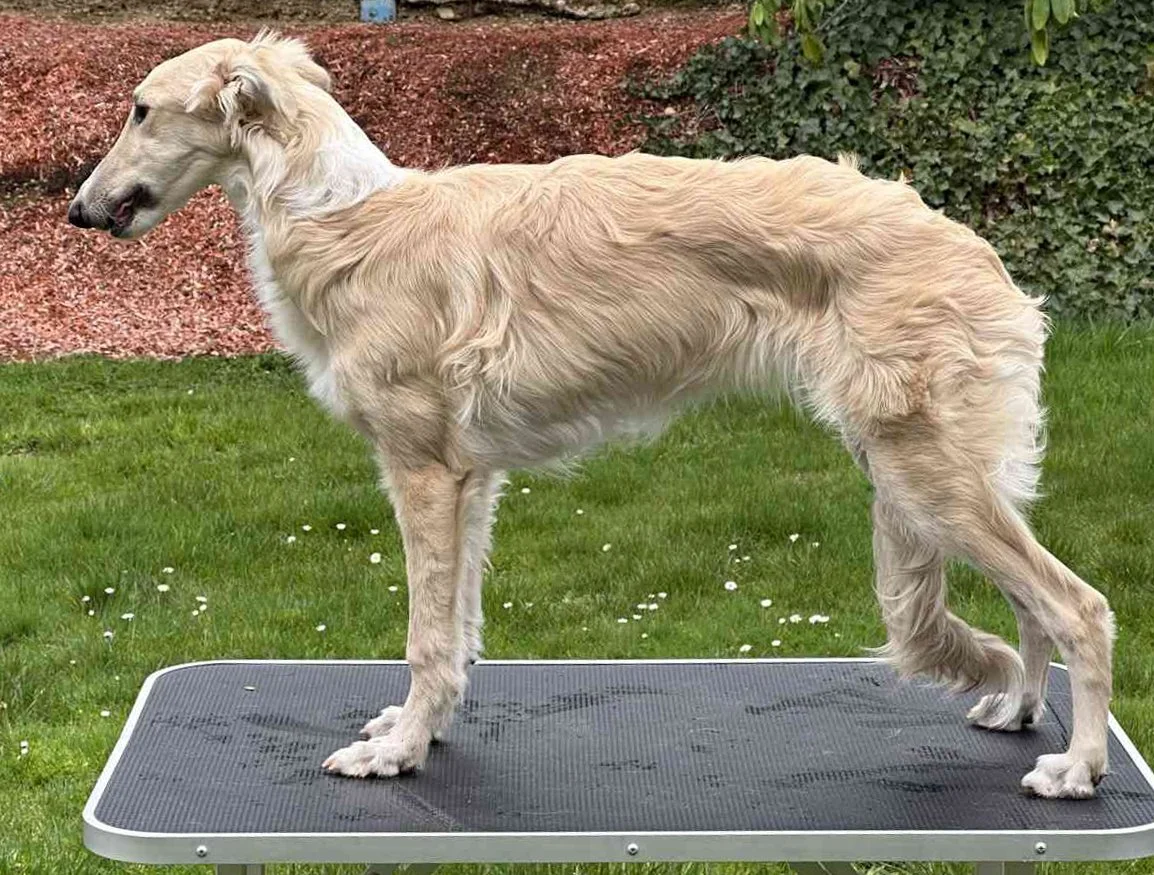
Cream
Photo by Michelle Smith
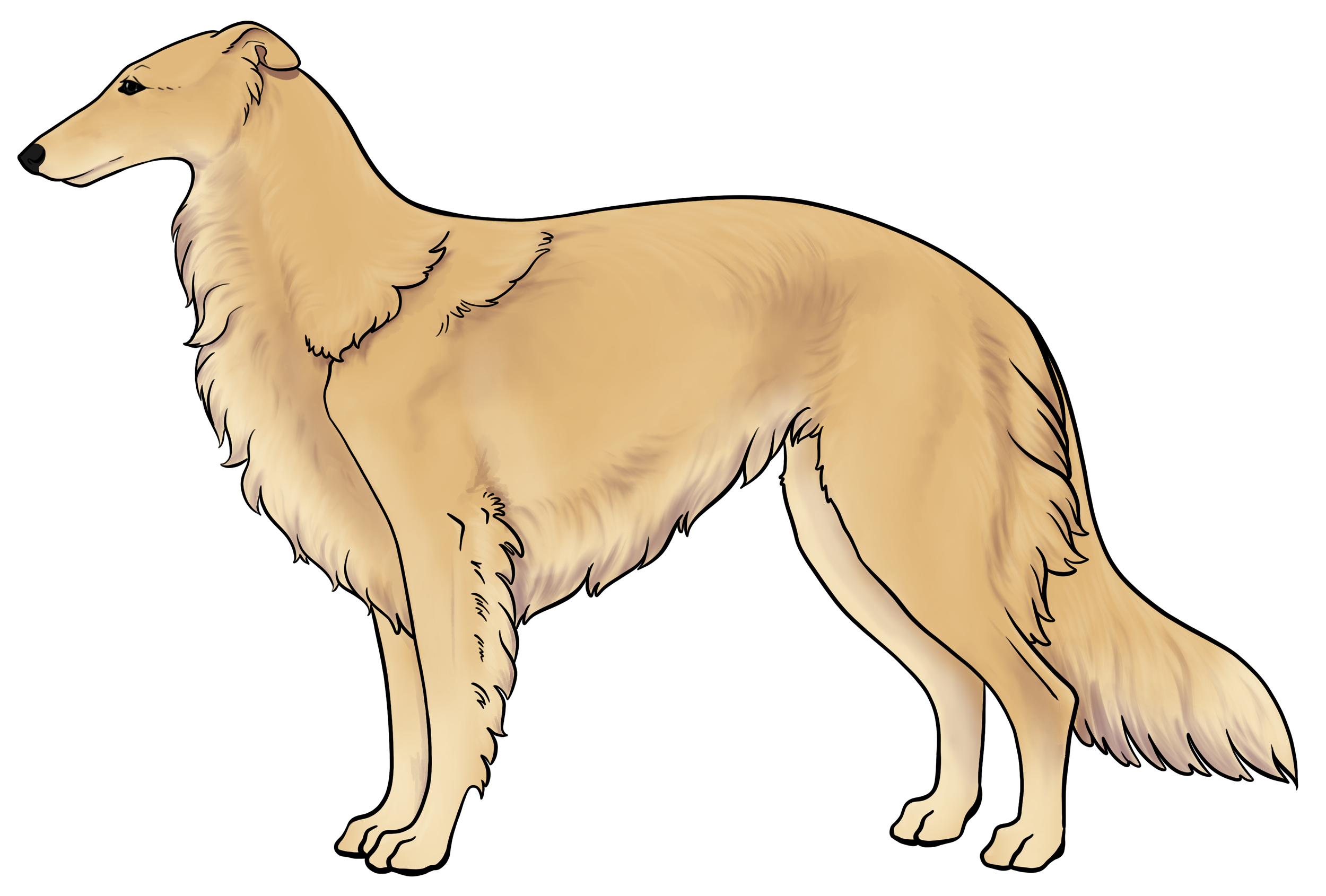
Gold - a more yellow or golden color.
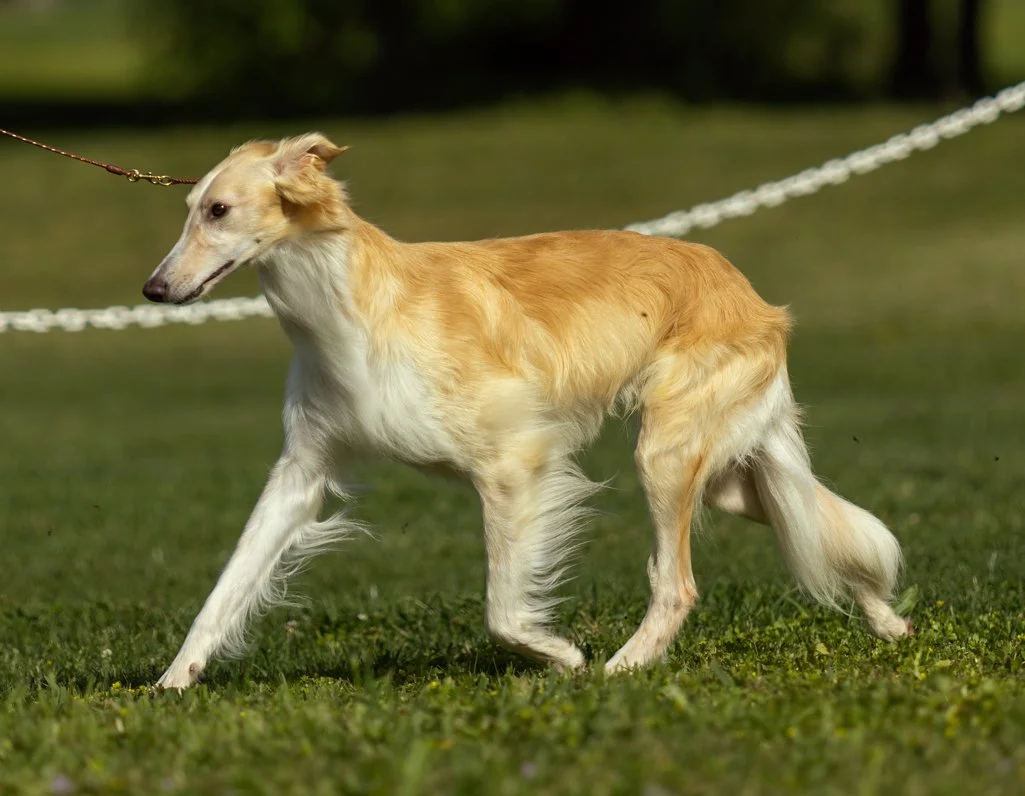
Gold
Photo by Ashley Cirimeli
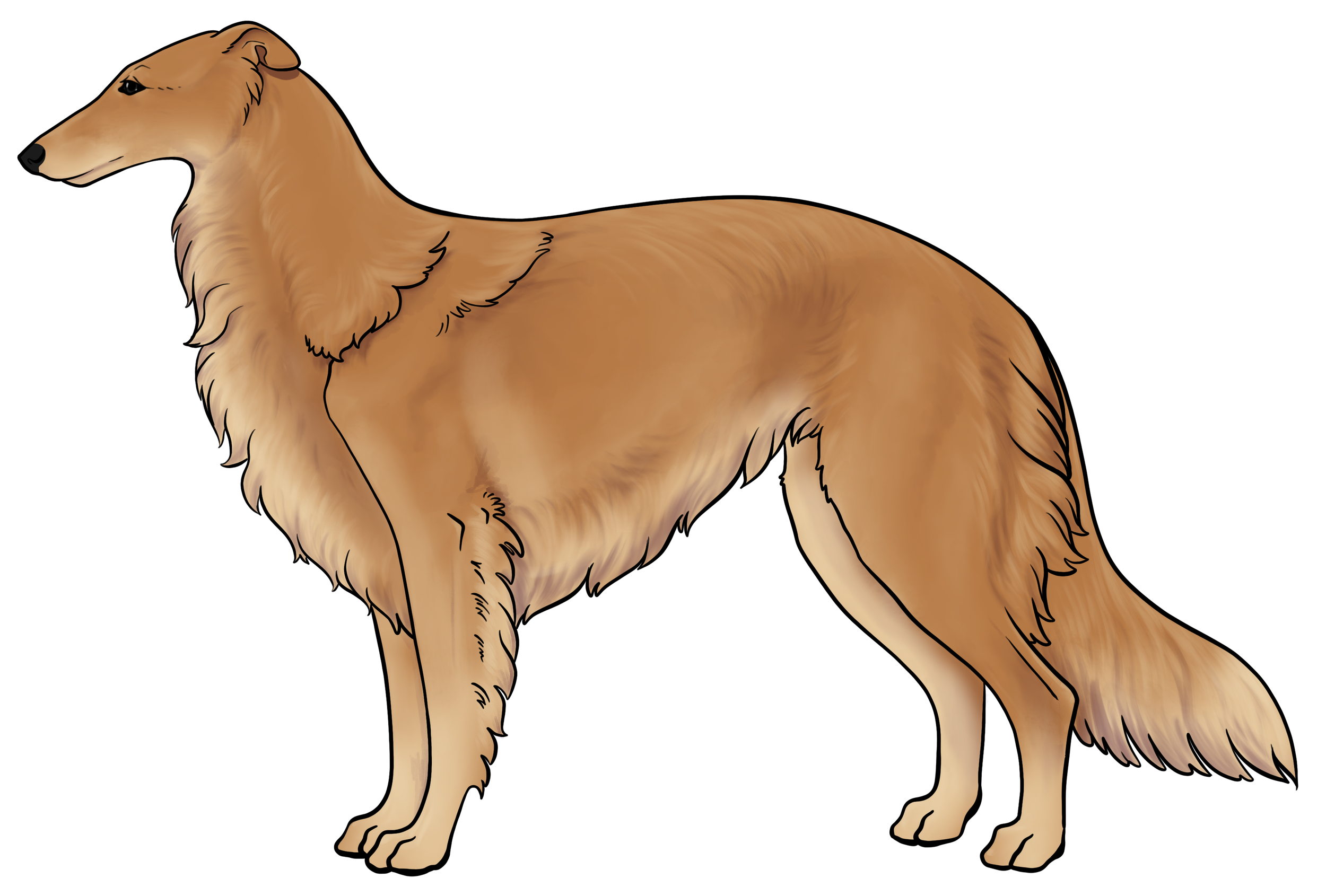
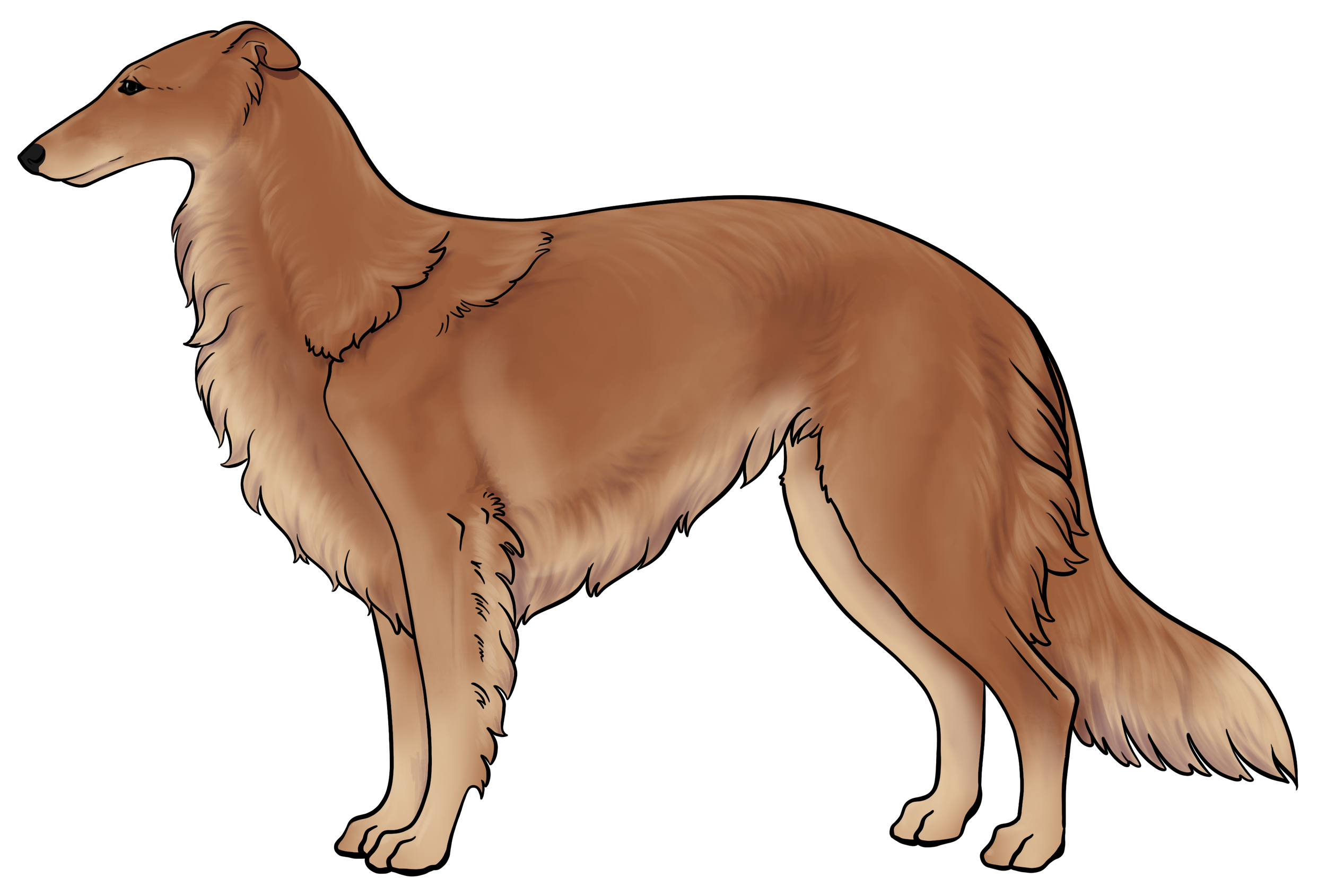
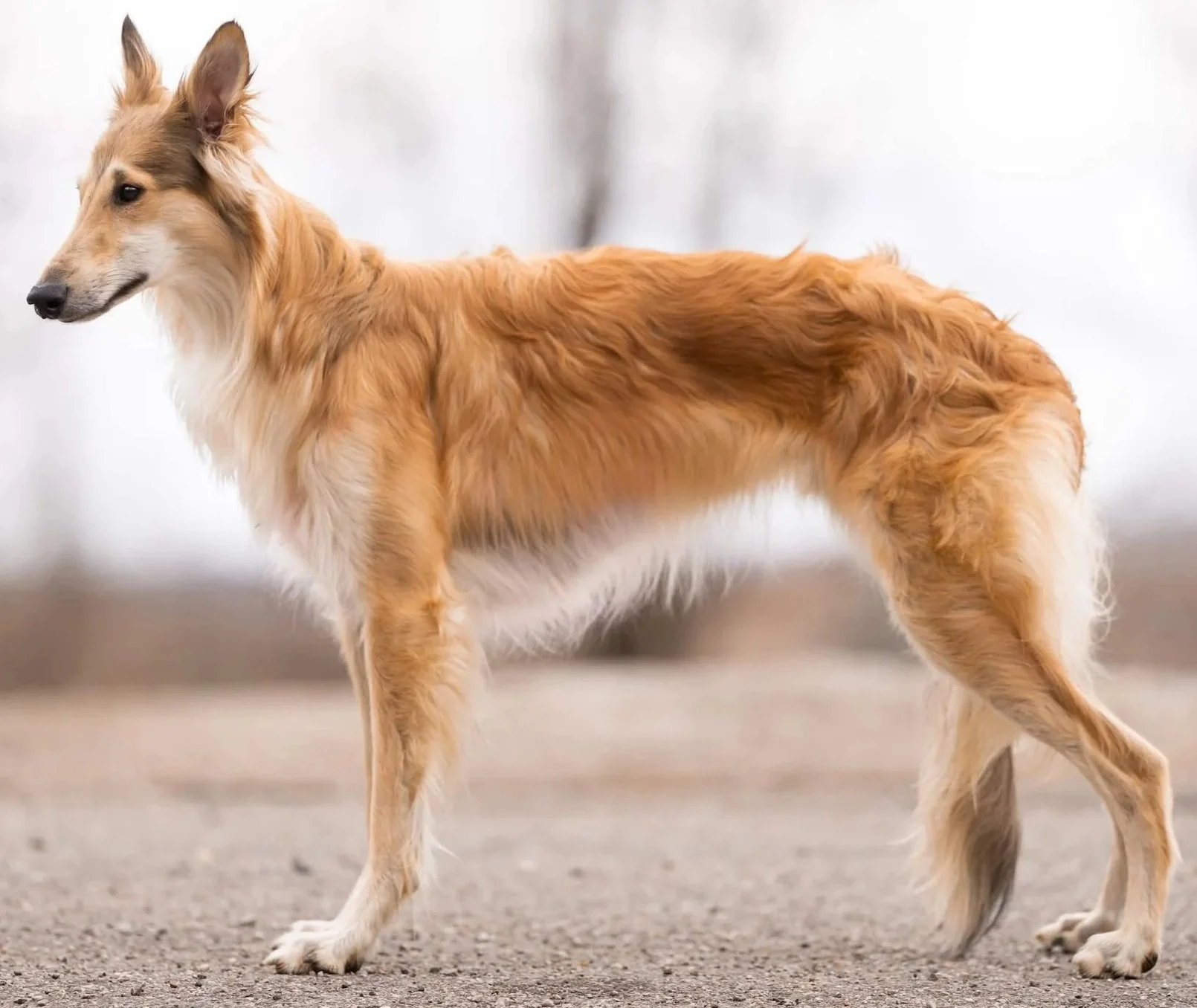
Red - ranges from a bright orange to a light brown.
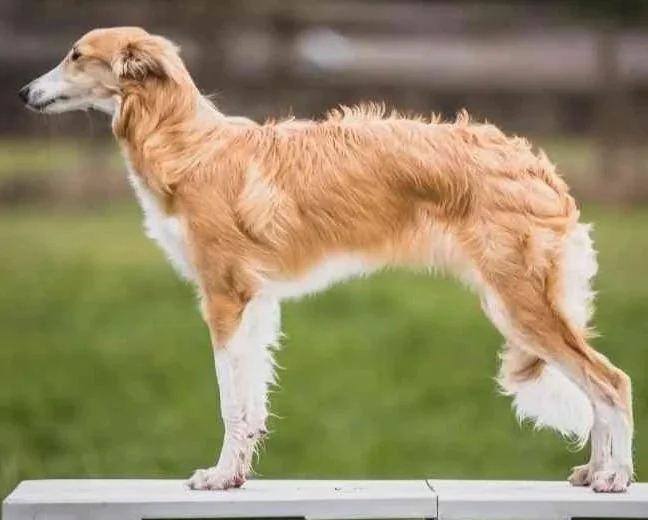
Red
Photo by Pauline Ng
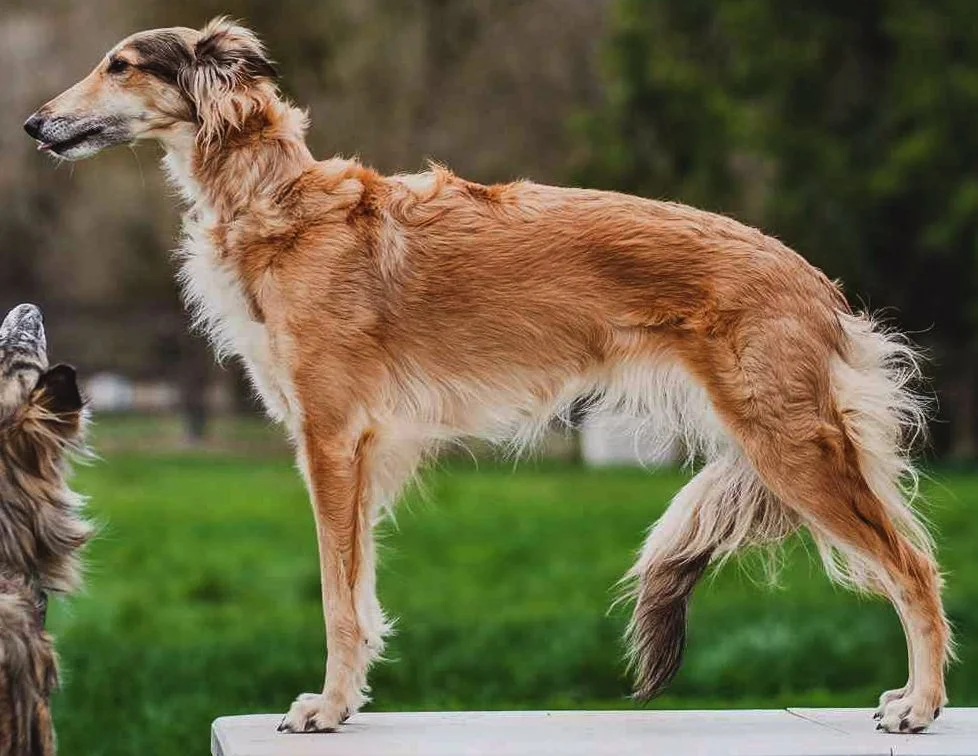
Darker Red
Photo by Pauline Ng
The S locus, Ticking, and White Head
White is pigment deletion rather than a pigment itself. Think of it like an eraser that is removing the pigment on the dog, to varying degrees.
It should be noted that sp, spotting, is the only allele identified on the S locus. Some labs report the absence of spotting as S, or N. S/S should be understood to mean that the dog has no spotting alleles, not that the dog is self.
White Patterns
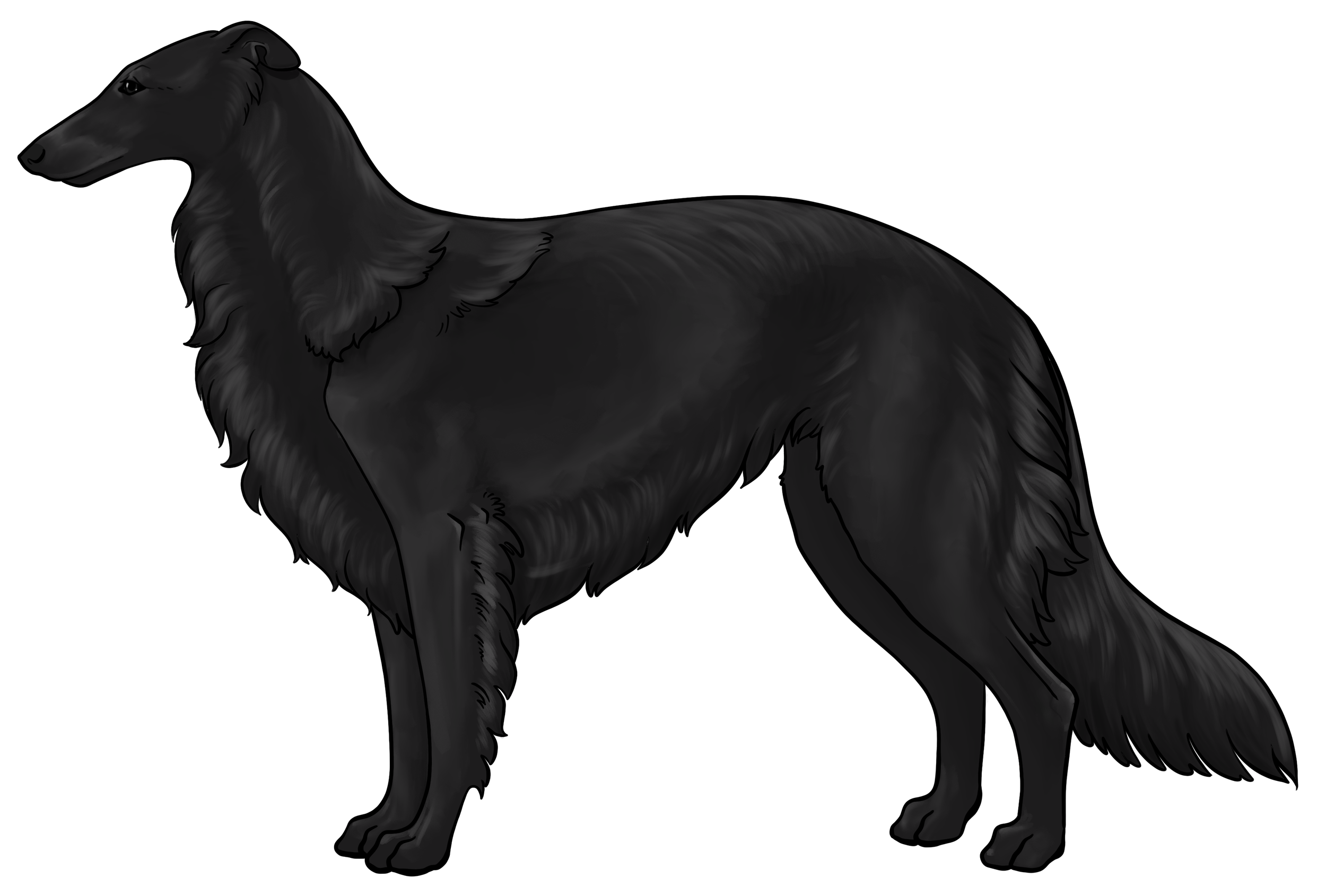
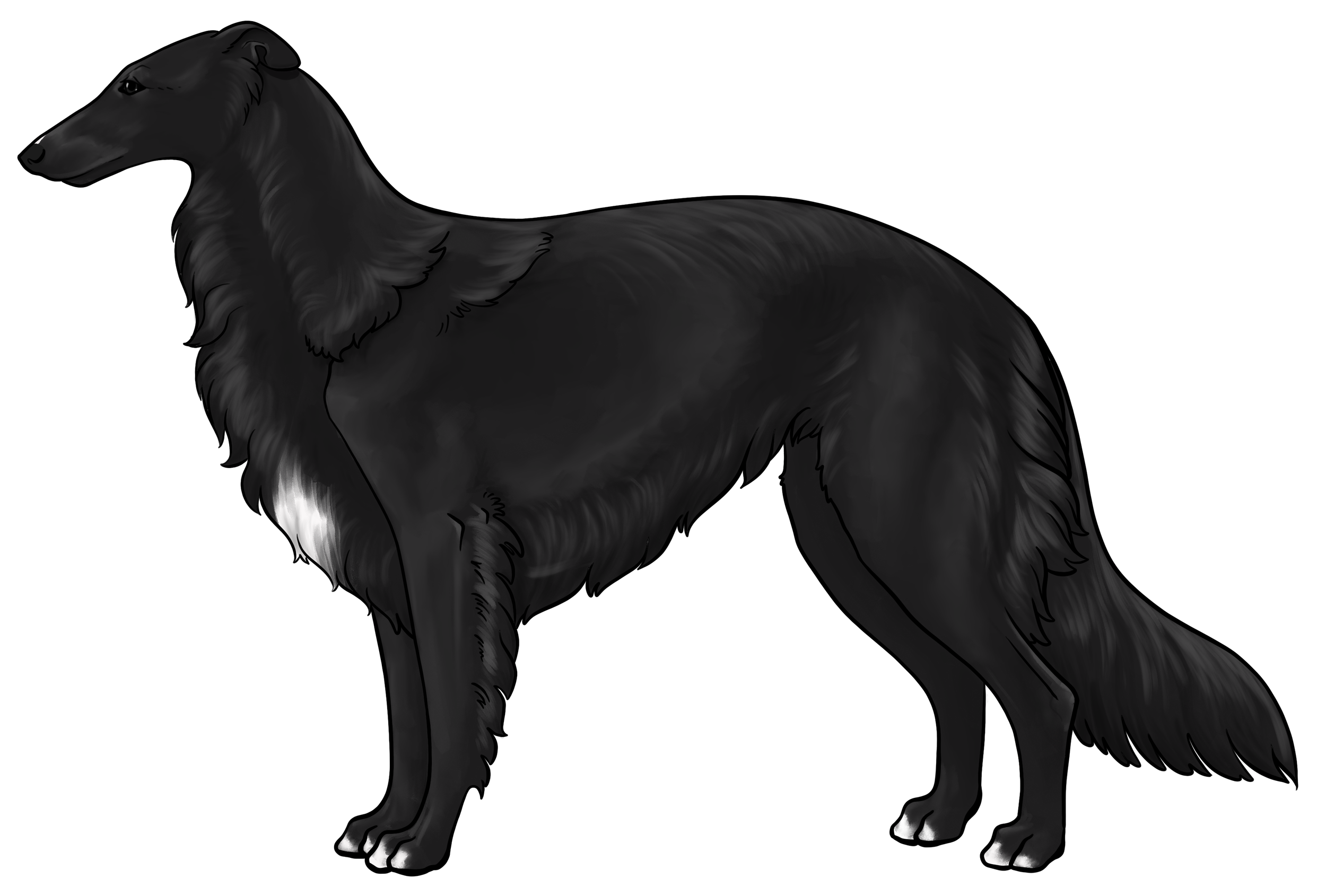
Self: Minimal or total absence of white hairs on the dog. Self is a phenotype that can result from different genotypes. A dog can be S/S, or carrying spots (S/sp) and still be nearly solid black. Expression of some degree of white is common on the toes, chest, and tip of the nose. This can be from a sp allele, or residual white. Residual white happens to dogs when pigment doesn’t migrate fully as embryos.
Tests as: S/S or S/sp
Register as: On a solid dog, you can skip registering a white marking. For dogs who have some degree of white:
AKC: [Marking] 101 White Trim, 437 White Trim Black Mask
ISWS: [Marking] White Trim, White Trim Masked
UKC: White Trim, White Trim Masked
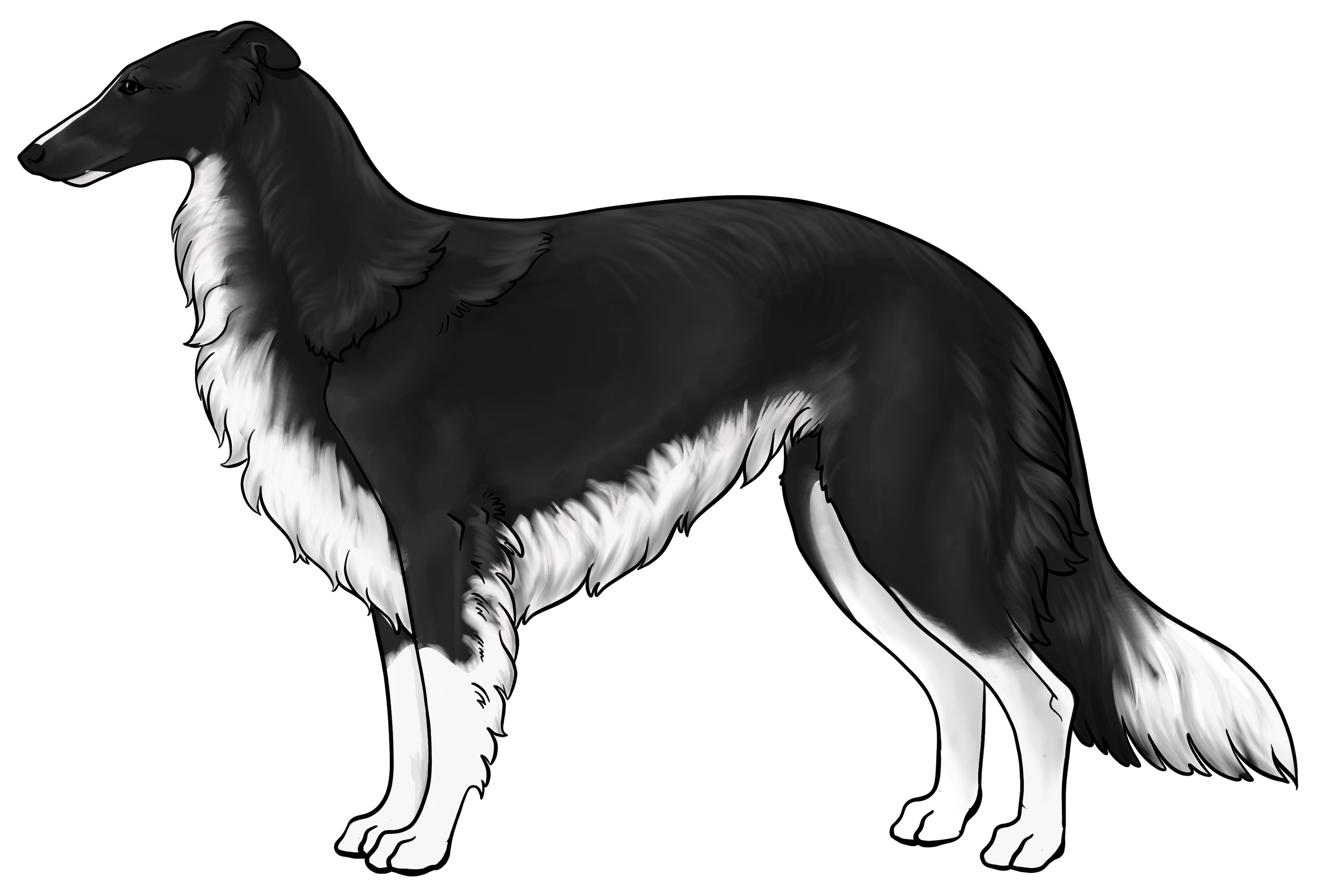
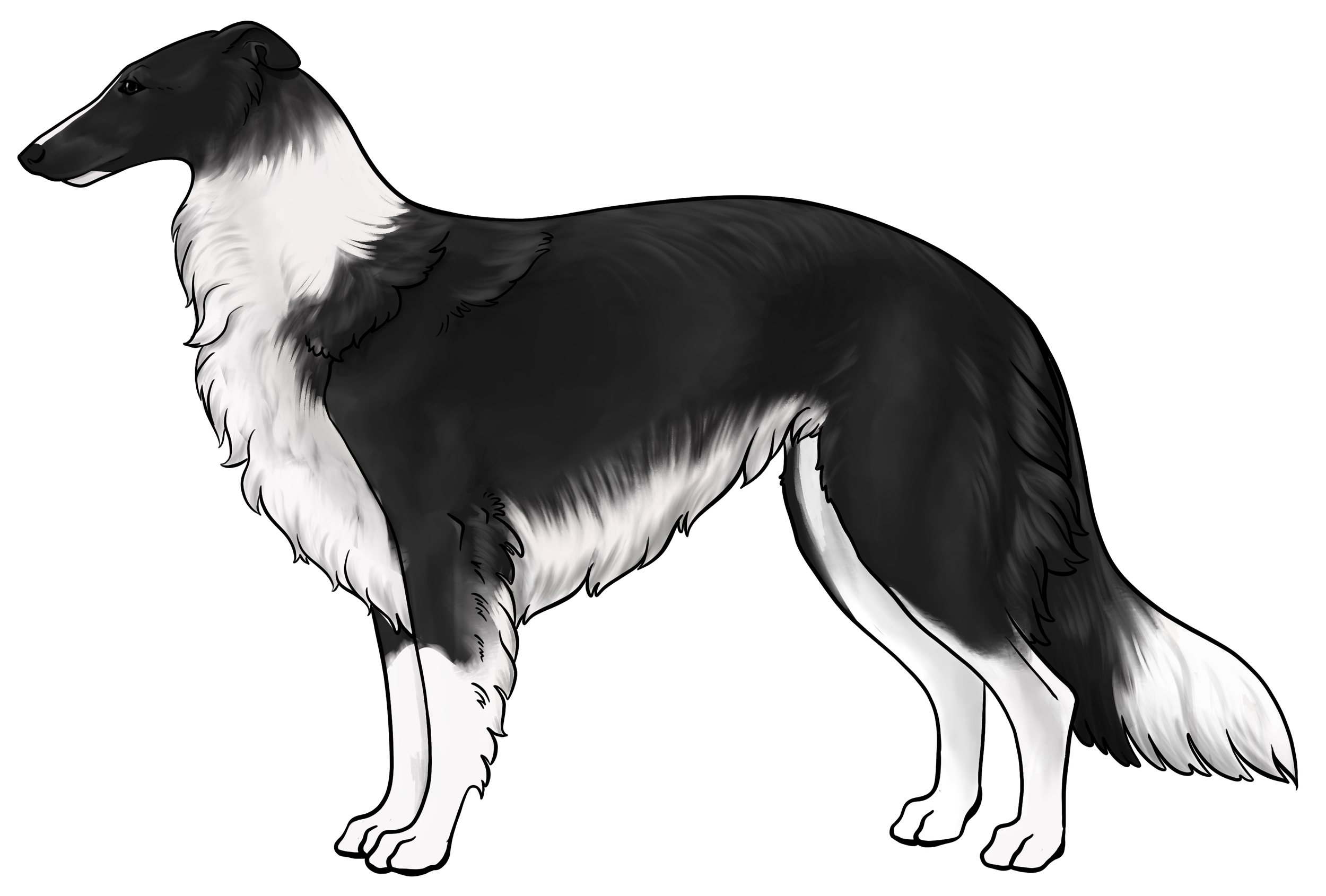
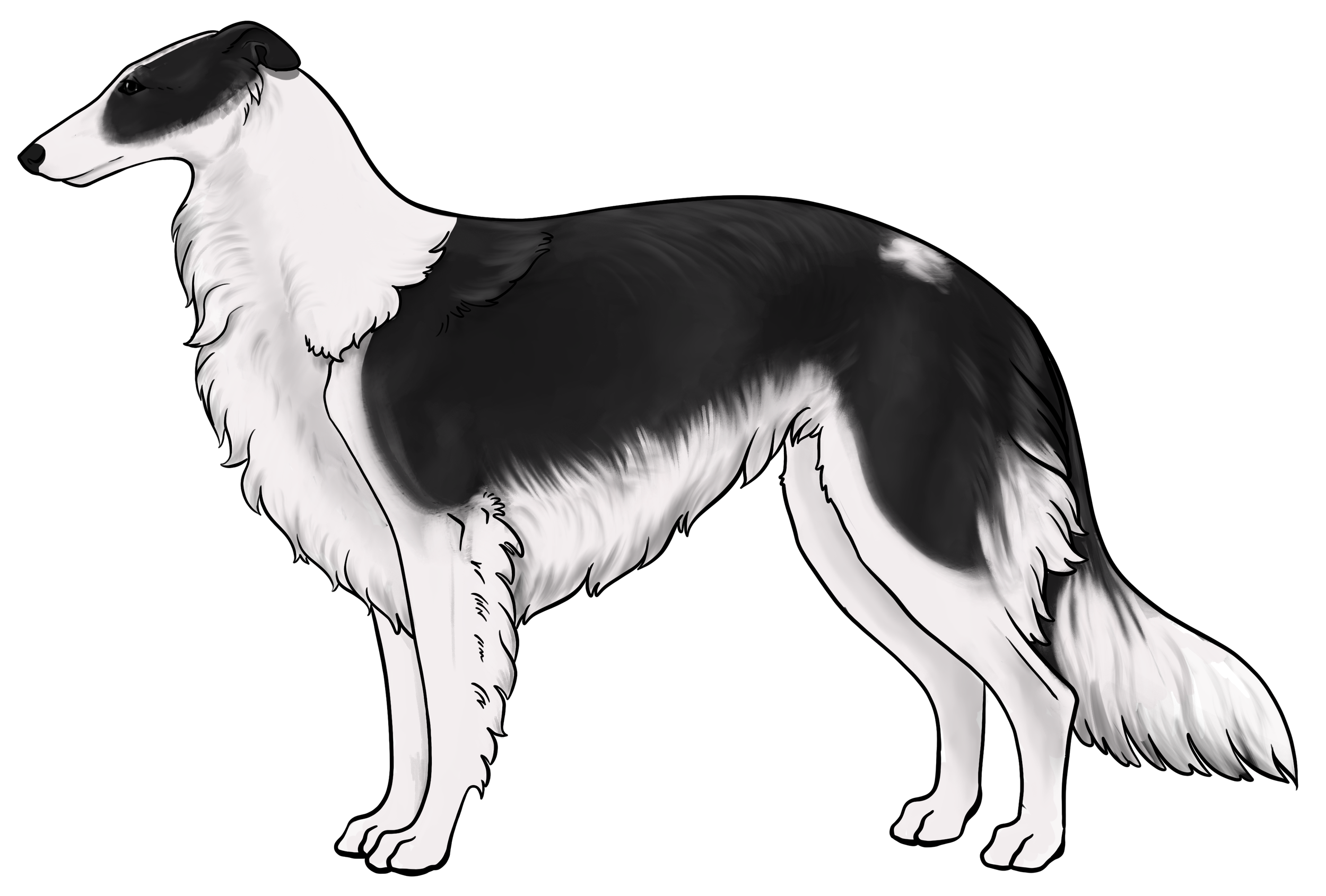
Irish Marked: White pigment deletion continues further up the legs, tail, face, and undersides. Can create a full or partial white collar. This white pattern is commonly seen in herding breeds. A dog who is one copy of self and one copy of spots will sometimes phenotype as Irish marked, often called “pseudo Irish”. True Irish marked (often referred to as Si) tests as S. A dog who is one copy of true Irish markings and one copy of spots will be “flashy Irish” which typically presents as a full white collar, very high white on the legs, and sometimes a white patch on the rear. A dog that tests S/S and phenotypes as Irish marked should be assumed to be true Irish marked. A dog who is S/sp and has flashy Irish markings should be assumed to have one copy of true Irish and one copy of spots.
Tests as: S/sp or S/S
Register as:
AKC: [Marking] 014 White Markings, 114 White Markings Black Mask, 113 White Markings Blue Mask, 439 White Markings Ticked,
ISWS: [Marking] Irish Marked
UKC: Irish Marked
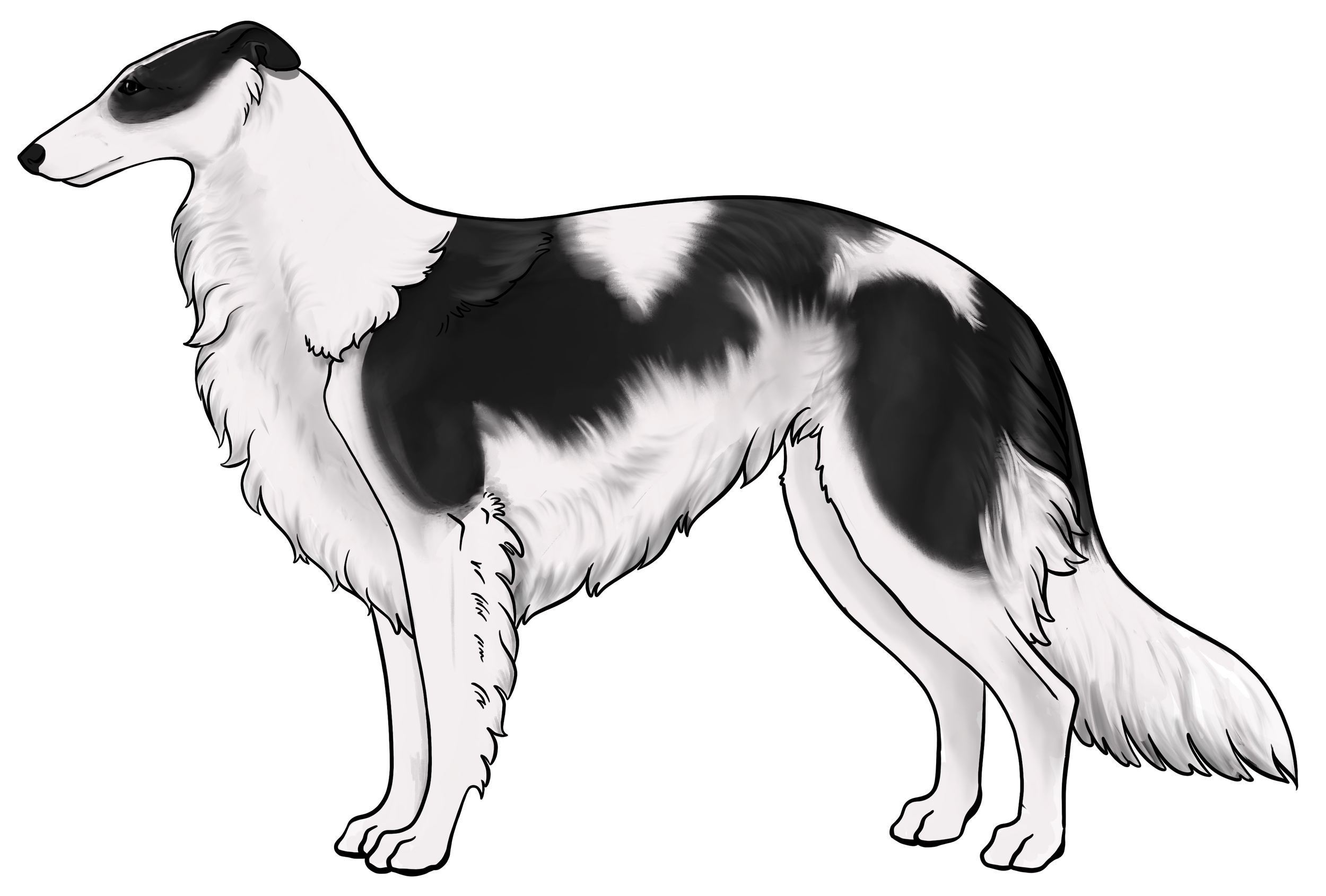
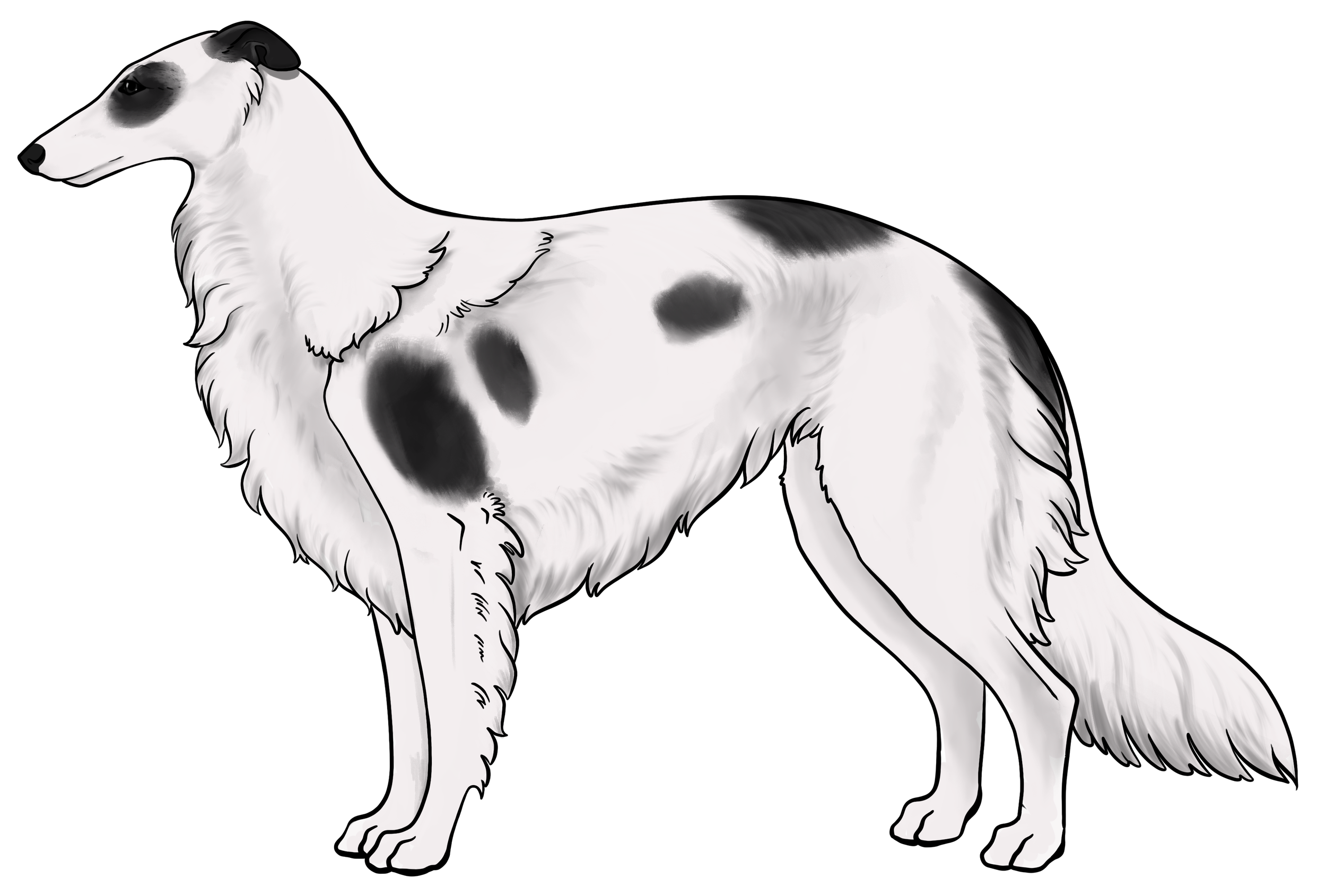
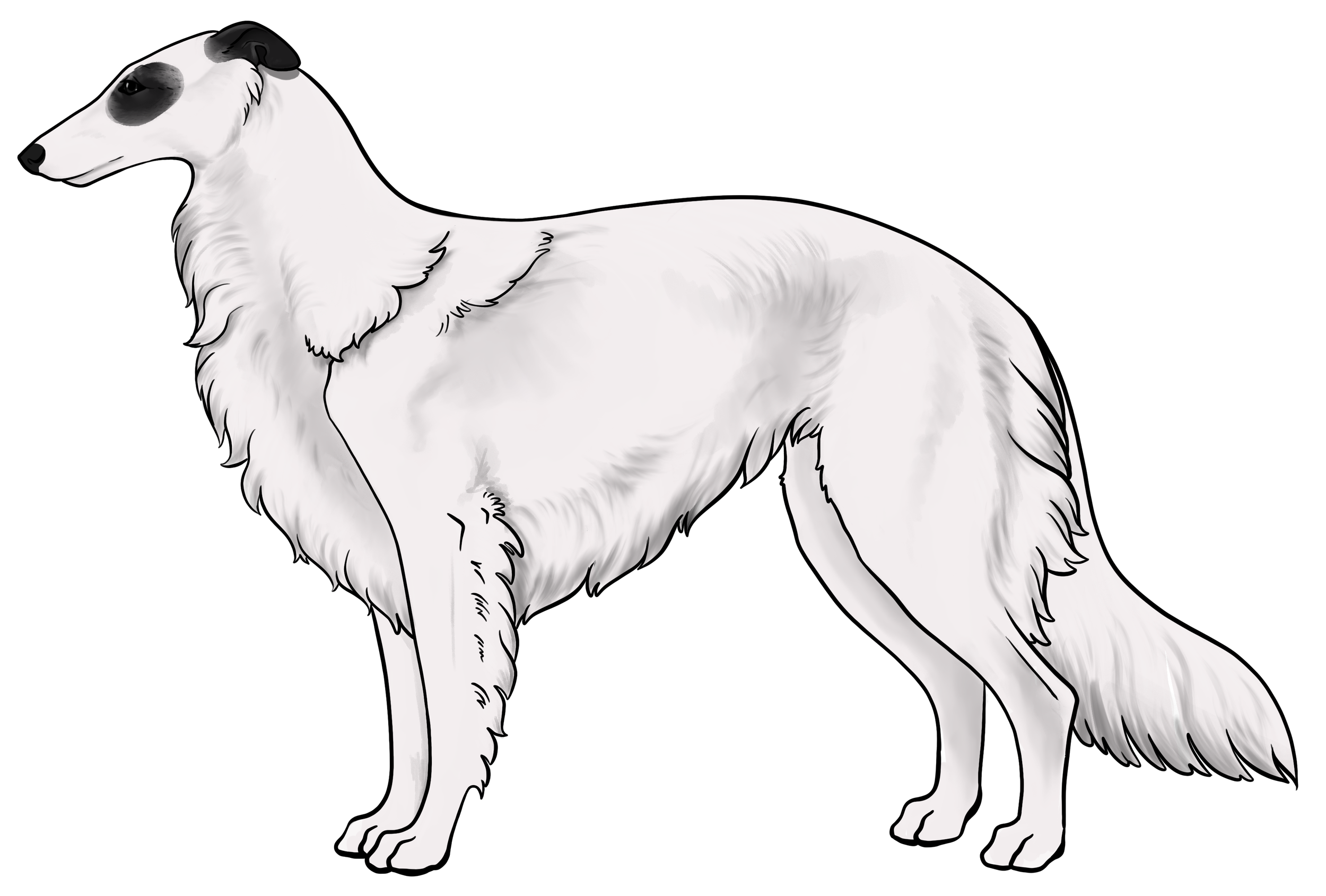
Spots: The spotting pattern is mostly random, though it does loosely follow a pattern of pigment deletion. Typically the extremities such as the legs, tail tip, and end of the nose are the first to be affected and from there, it goes up the sides and further up the face. Sometimes we see spotted dogs produce similar spot markings in their offspring. This is the only testable allele on the S locus and is recessive, requiring two copies in order to fully express. However, homozygous carriers will tend to have some degree of white pattern as seen in the examples above. Extreme spotting describes dogs with extensive pigment deletion, with remaining pigment restricted to the eyes and ears.
Tests as: sp/sp
Register as:
AKC: [Marking] 071 Spotted on White, 436 Spotted on White Black Mask, 438 Spotted on White Ticked
ISWS: [Marking] Extreme white, Spotted on White, Spotted on White Masked
UKC: Spotted on white, Irish Marked
Ticking: Ticking describes freckle-like markings on white patterend dogs. The expression of ticking requires some degree of white markings. A self dog could have the genes for ticking, but not be able to express the phenotype. Some ticking is quite sparse while others have a larger pattern across their bodies. Dalmatians are an example of ticking with a modification that creates their rounder and slightly larger spot pattern, caused by the SLC2A9 gene.
Tests as: Not testable at this time but designated T for the presence of ticking and t for the absence of ticking.
Register as:
AKC: [Marking] 013 Ticked, 439 White Markings Ticked, 438 Spotted on White Ticked
ISWS: Does not have a designated marking optioin for Ticking.
UKC: Ticked
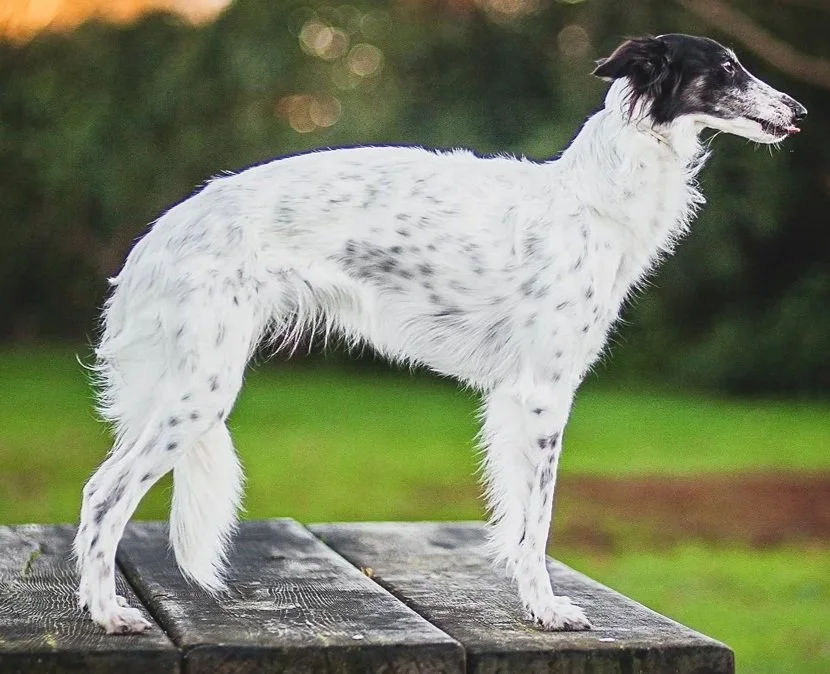
Full body ticking
Photo by Pauline Ng
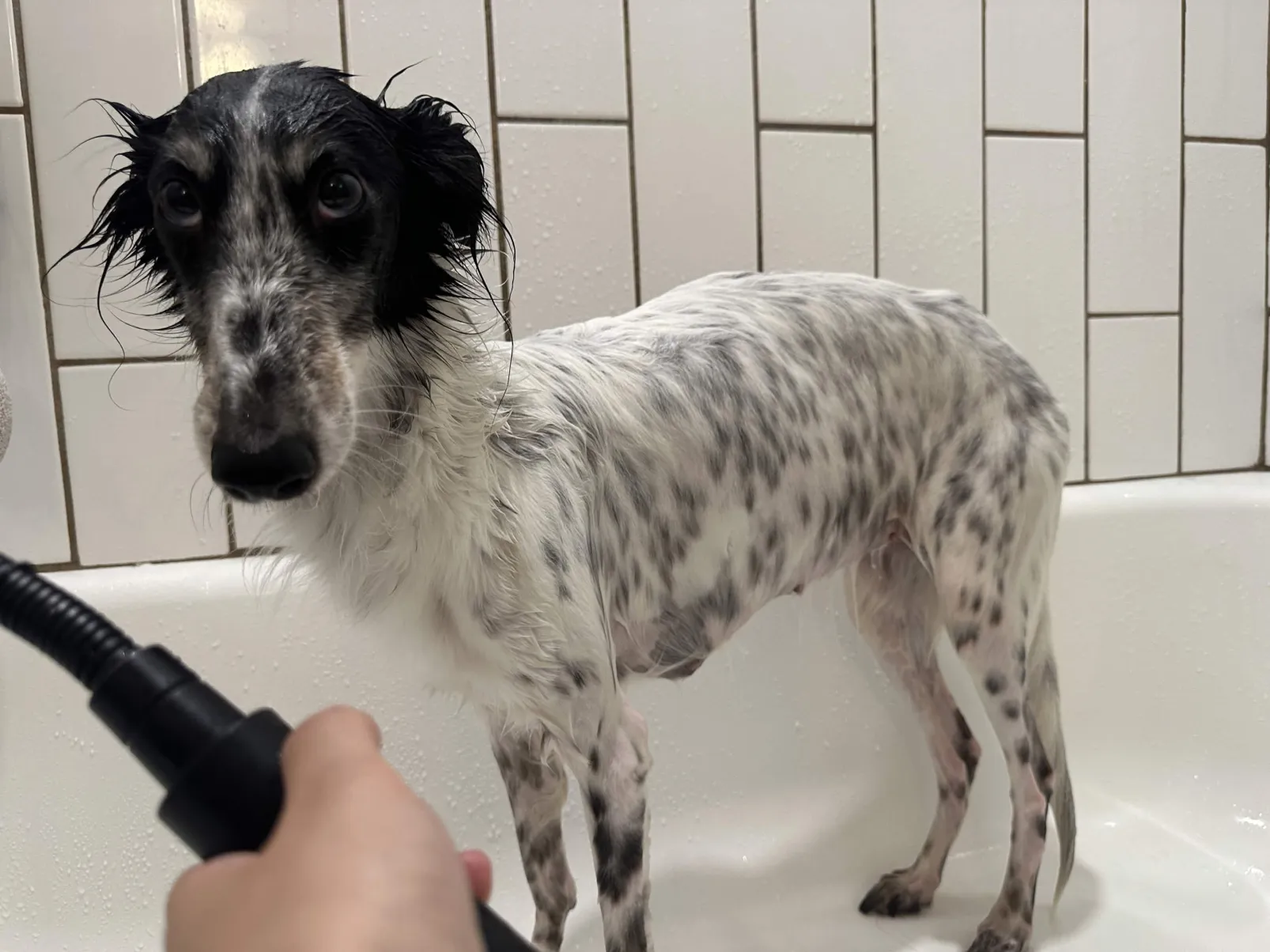
Full body ticking, viewed when wet
Photo by Bel Han
The K locus
Dominant Black, Brindle, ky
Dominant Black: As the name suggests, this is the most dominant allele on the K locus. Black hides all red pigment, but there are alleles that can modify the way dominant black expresses such as grizzle (eg), blue/dilute (d/d), and seal (unknown alleles). Dominant black can only be hidden by white markings and/or recessive red. We will expand more on dominant black variations in other sections.
Tests as: KB/KB, KB/ky
Register as:
AKC: [Color] 007 Black
ISWS: [Color] Black
UKC: Black
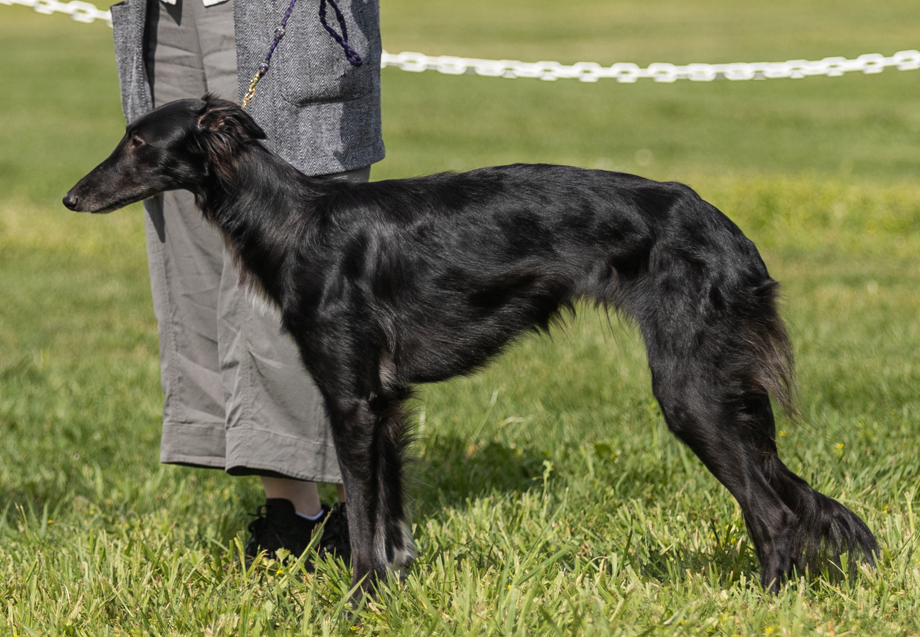
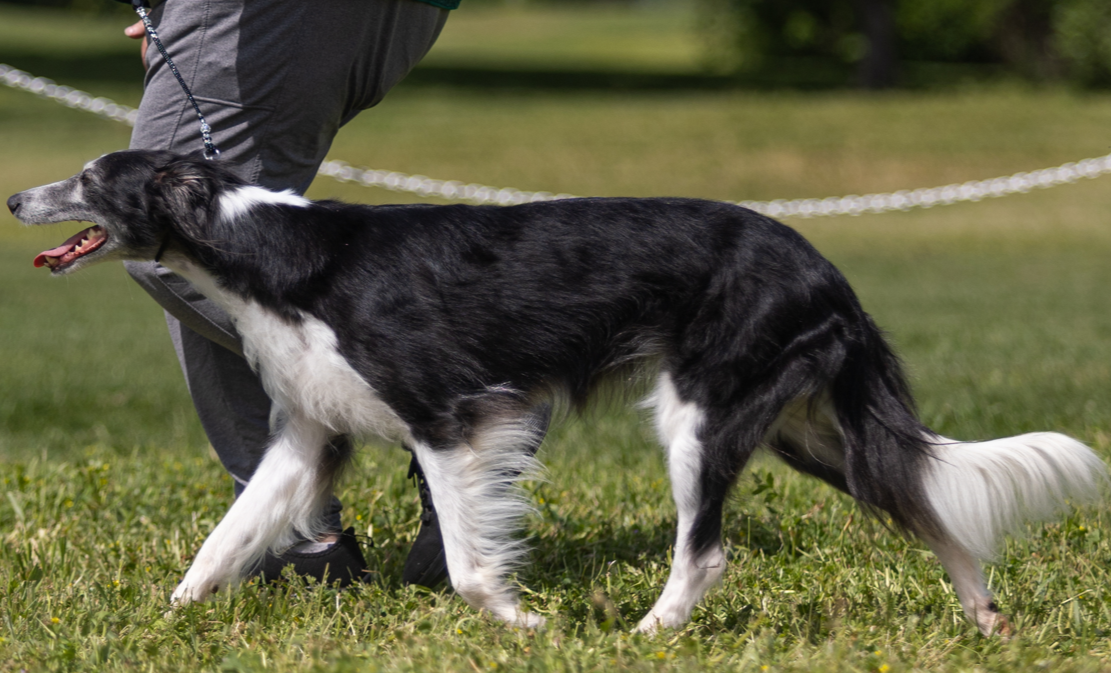
Self Dominant Black
Photo by Ashley Cirimeli
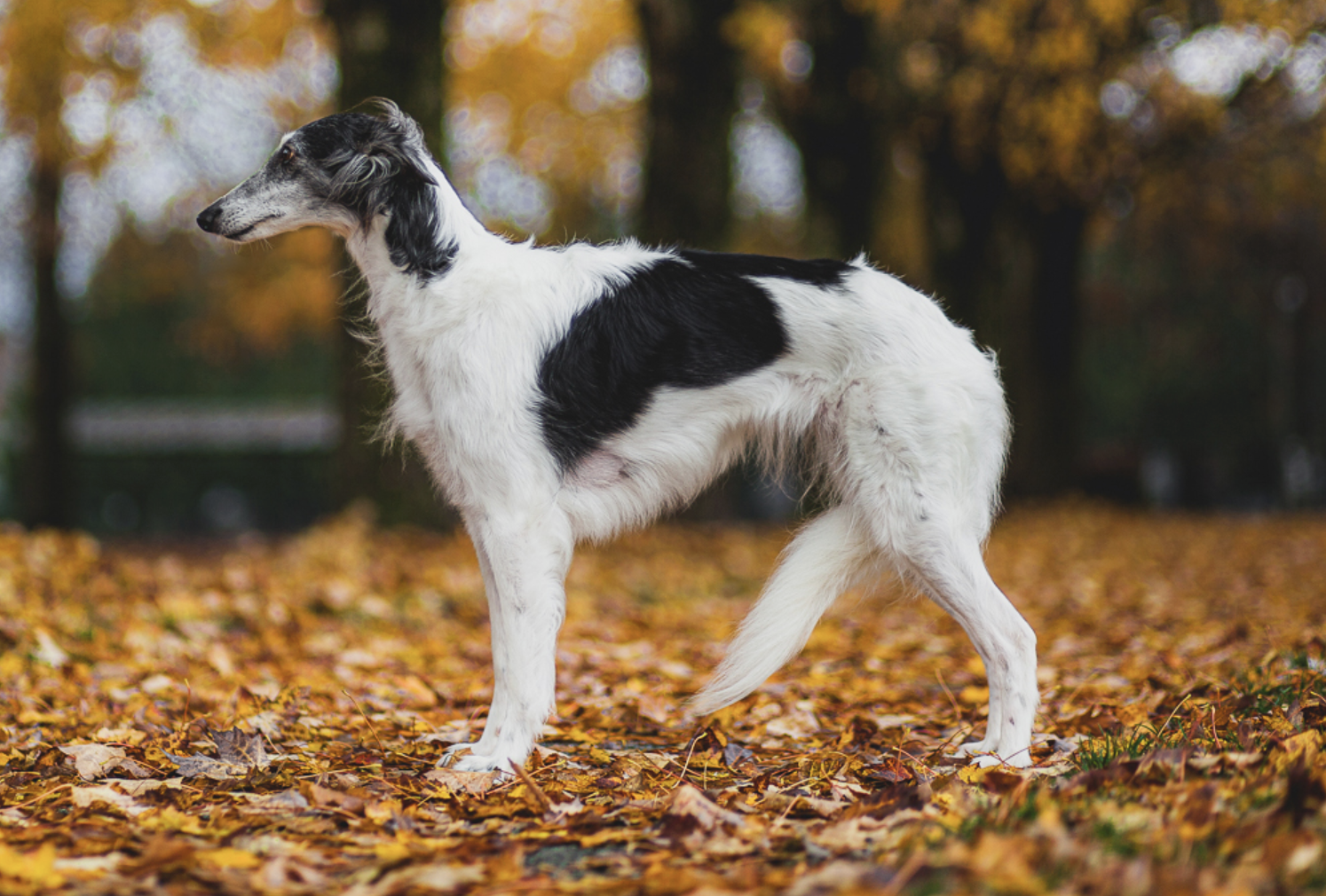
Irish Marked Dominant Black
Photo by Ashley Cirimeli
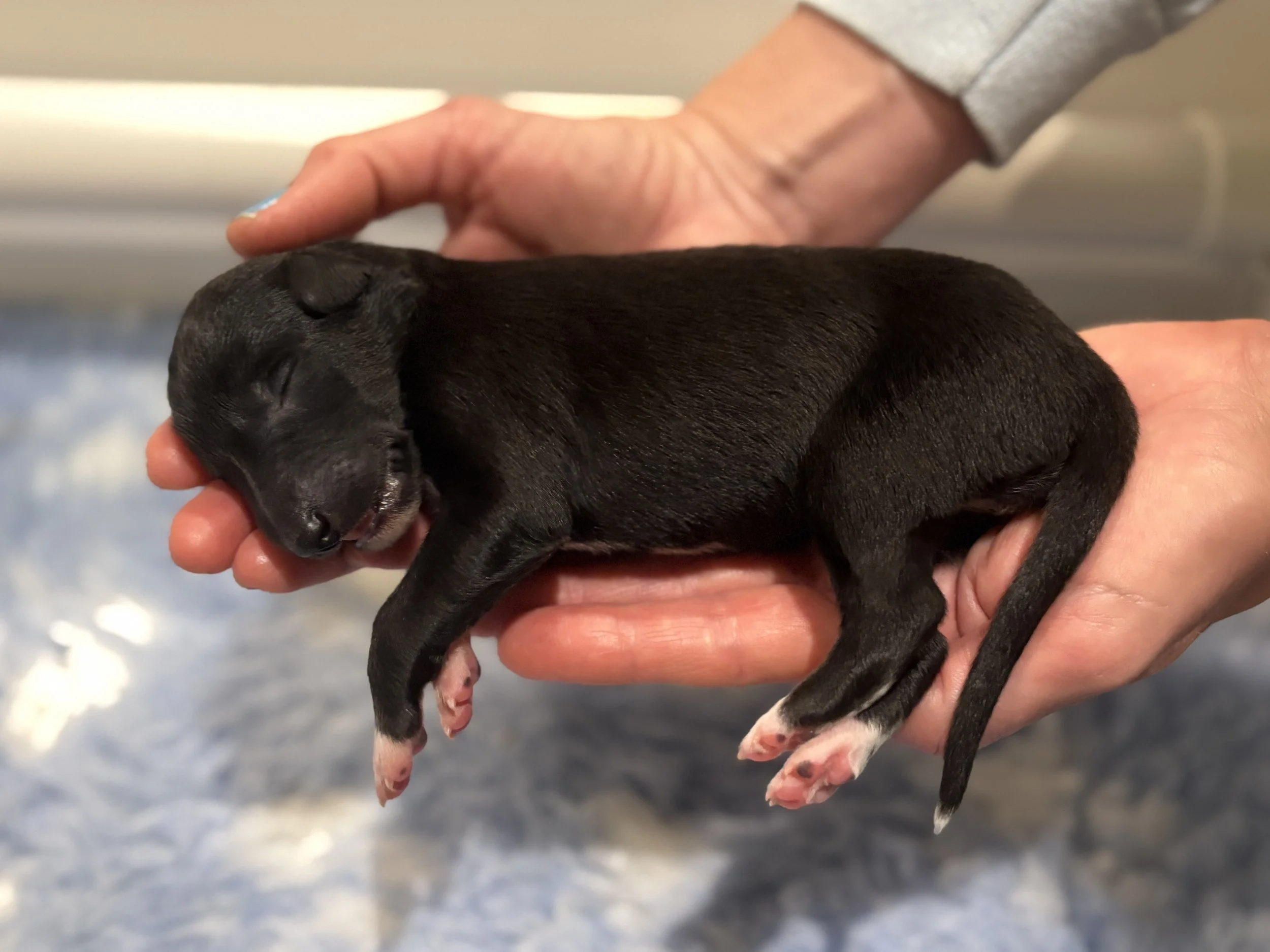
Spotted Dominant Black
Photo by Pauline Ng
Newborn Dominant Black
Photo by Max Torres
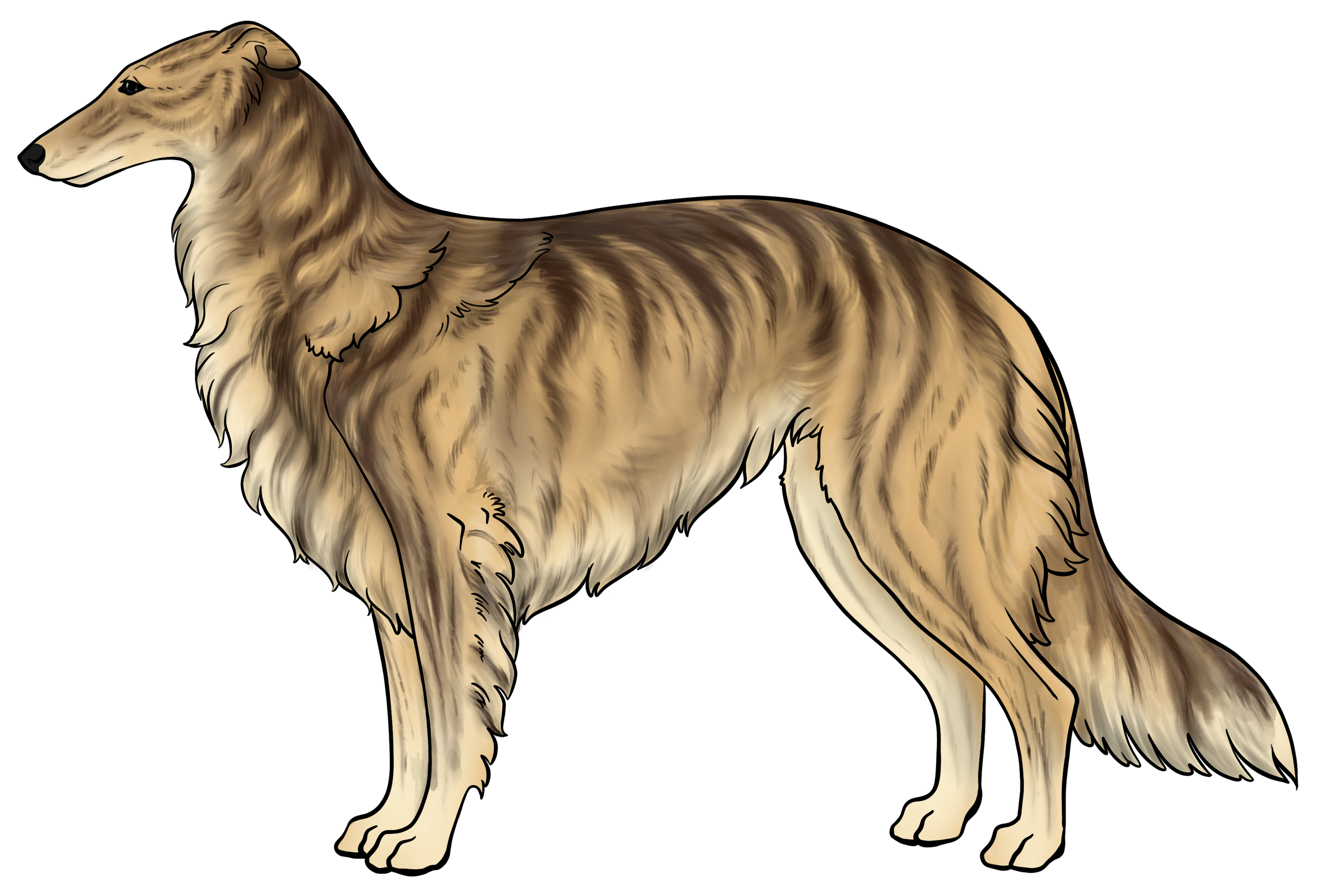
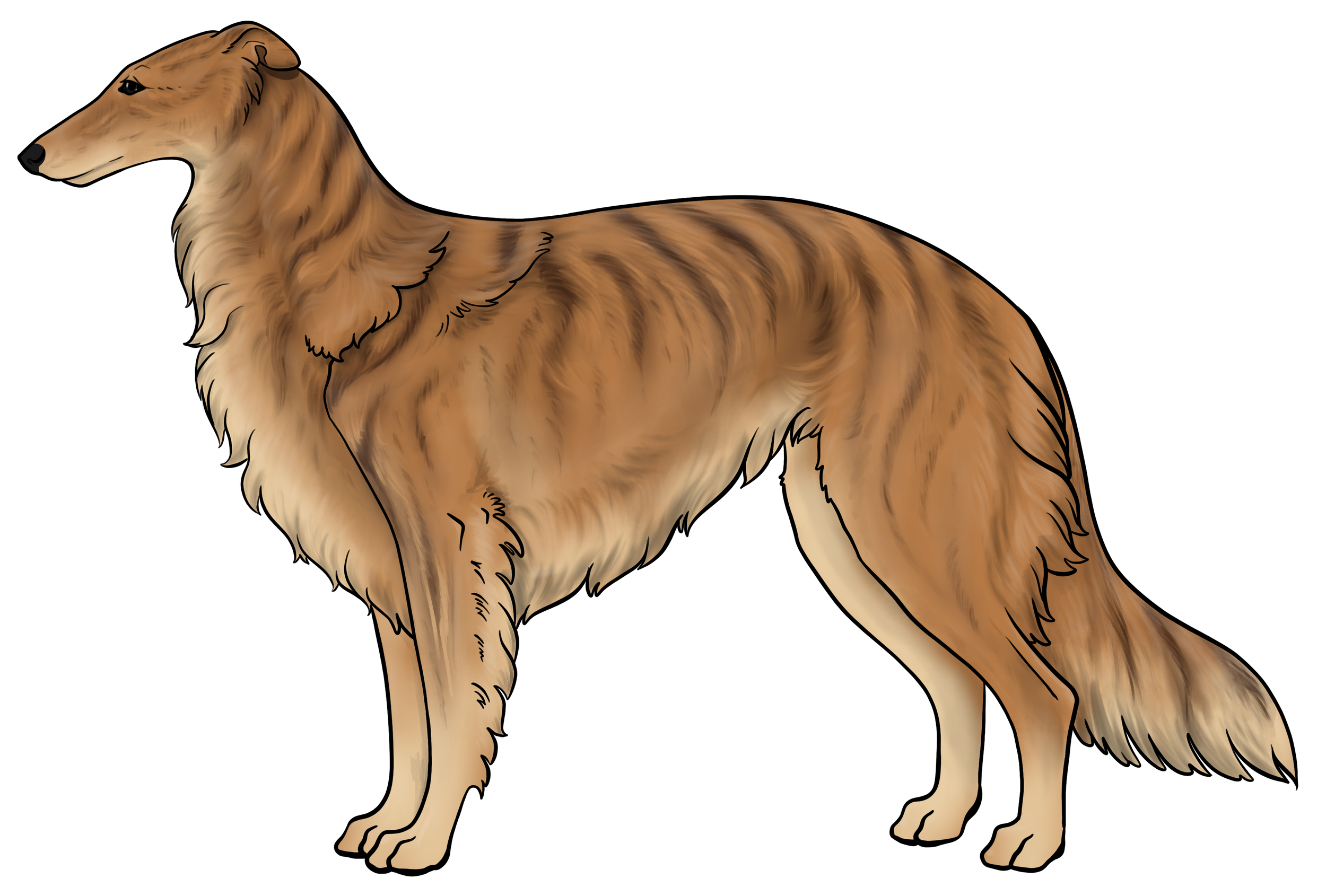
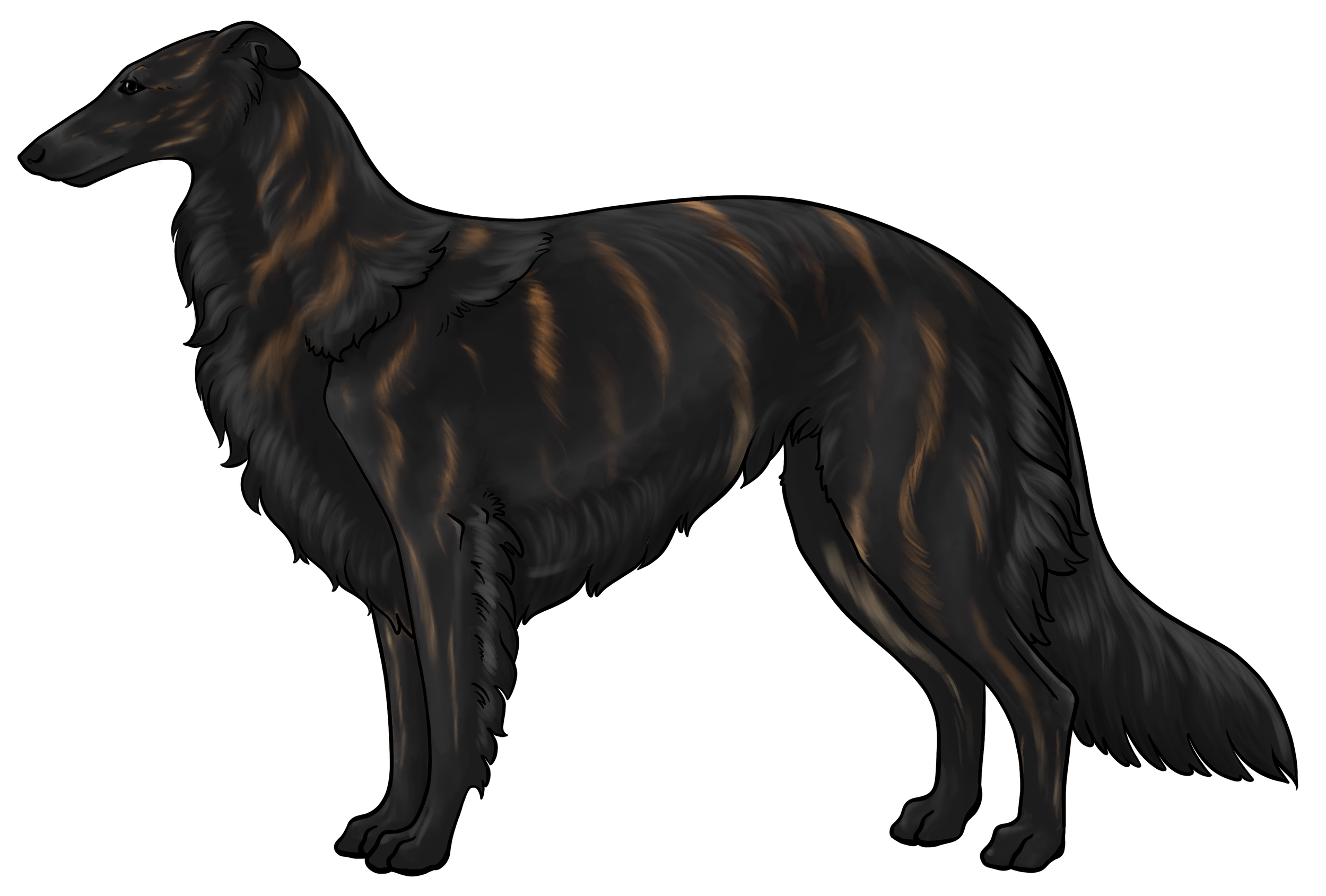
Brindle: Brindle is a very common pattern in Silken Windhounds. It is caused by a duplication of the KB and ky alleles, which causes the dominant black pigment to break apart and reveal phæomelanin and other markings from the E and A loci. Sometimes the breaks in the dominant black are minimal, which looks more like small red/gold/cream stripes on a black dog, called “reverse brindle”. Sometimes the breaks are so vast that the dog may appear to only have a few little stripes restricted to one area. There have been some silkens that have presented irregular brindle patterns that appear more blotchy than striped.
An important note is that most commercial genetics labs cannot test for brindle. A brindle dog will most likely test as KB/ky, because the duplications cannot be differentiated from a true KB/ky dog. A dog who is dominant black and carrying brindle will also test as KB/ky. There is one lab, Laboklin UK, that can identify the duplications and reliably test for brindle. They use Kbr to indicate brindle. One duplication is Kbr/ky or KB/ky (dominant black carrying brindle), and two duplications tests as Kbr/Kbr
How can you tell if your dog is one or two copies of brindle? Sometimes pedigrees can be revealing. If one parent was ky/ky, it is safe to assume the dog in question is only one copy of brindle. Breeding to to a ky/ky can also be informative if there are non-brindle puppies.
Note that "gold brindle” refers to brindle affected by grizzle, the eg allele. A dog who has gold phæomelanin without grizzle affecting their brindle stripes should be registered as simply “brindle”. Similarly, dogs who are “reverse brindle” should be registered as “brindle” with AKC.
Tests as: KB/ky with most genetics labs, or Kbr/Kbr, Kbr/ky with Labokin UK.
Register as:
AKC: [color] 057 Brindle, 008 Black and Brindle (if black and tan), 056 Blue Brindle (if dilute/blue), 303 Silver Brindle, 485 Gold Brindle. [marking] 051 Brindle
ISWS: [color] Black Brindle, Blue Brindle, Cream Brindle, Red Brindle, Fawn Brindle, or Black and Tan Brindle
UKC: Brindle, Black Brindle, Blue Brindle, Black and Tan Brindle, Red Brindle, Fawn Brindle, or Black and Tan Brindle
For gold and silver brindle, see the grizzle section further down this page
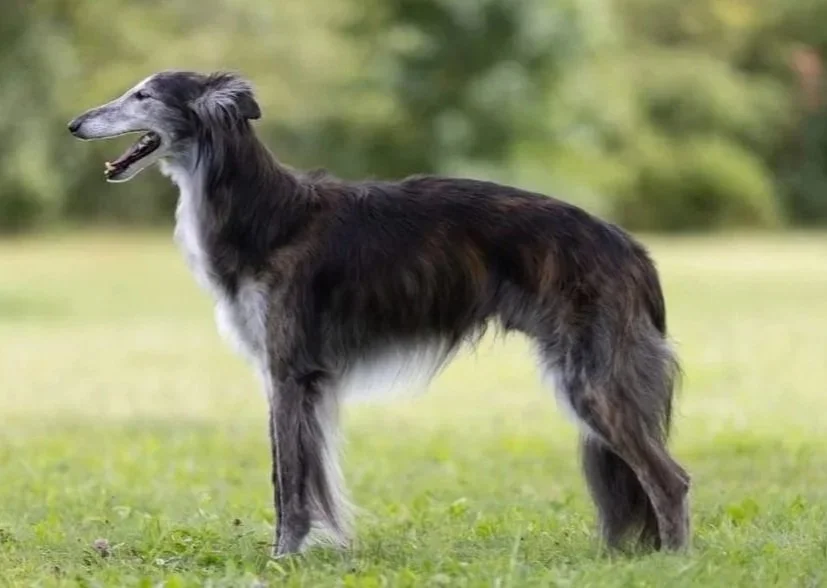
Self brindle with greying pattern
Photo by Emily Buerger
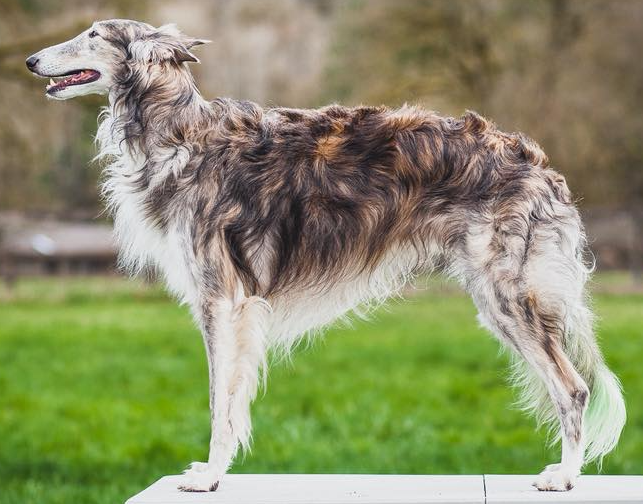
Irish marked brindle
Photo by Pauline Ng
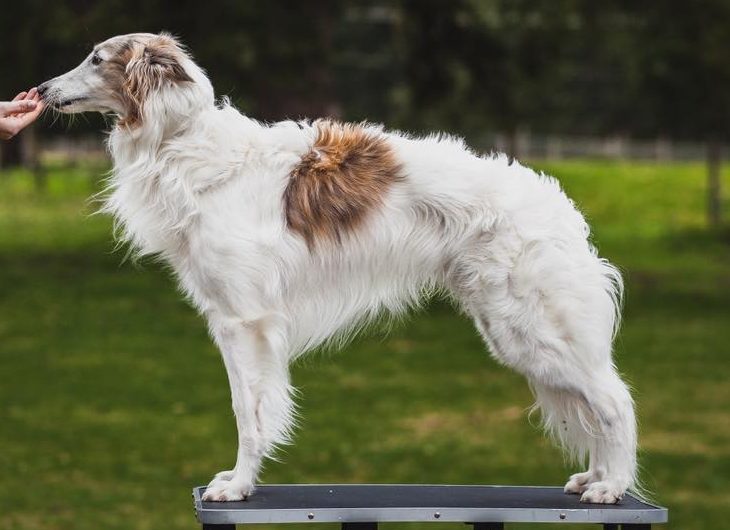
Spotted brindle
Photo by Pauline Ng
Newborn brindle
The ky allele: This wild type allele is the most recessive allele on the K locus. A ky/ky dog is not dominant black, and not brindle. This allele is not associated with a specific color or pattern, but allows for the expression of the other color and pattern loci.
The E locus
Masking, Grizzle, Recessive Red
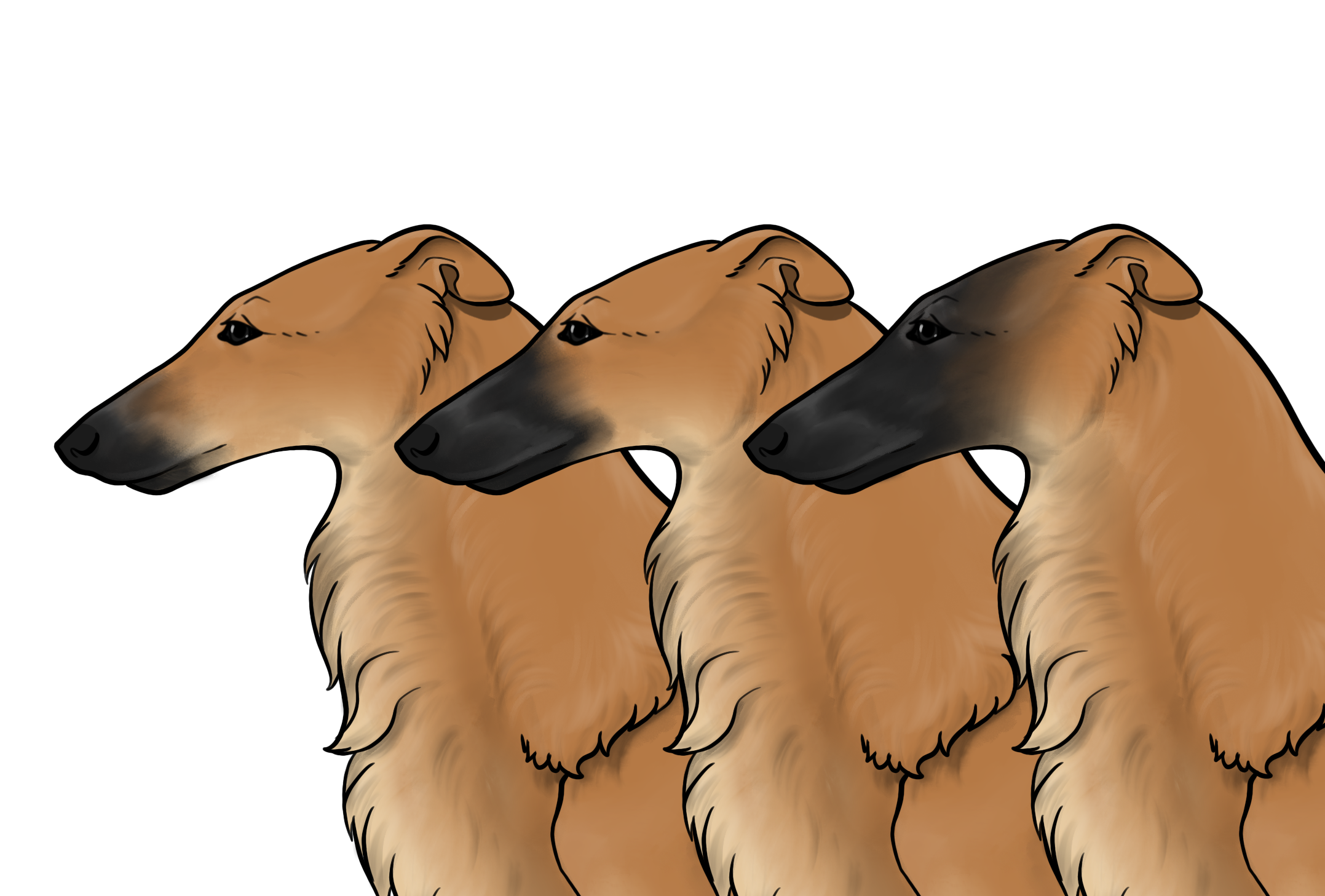
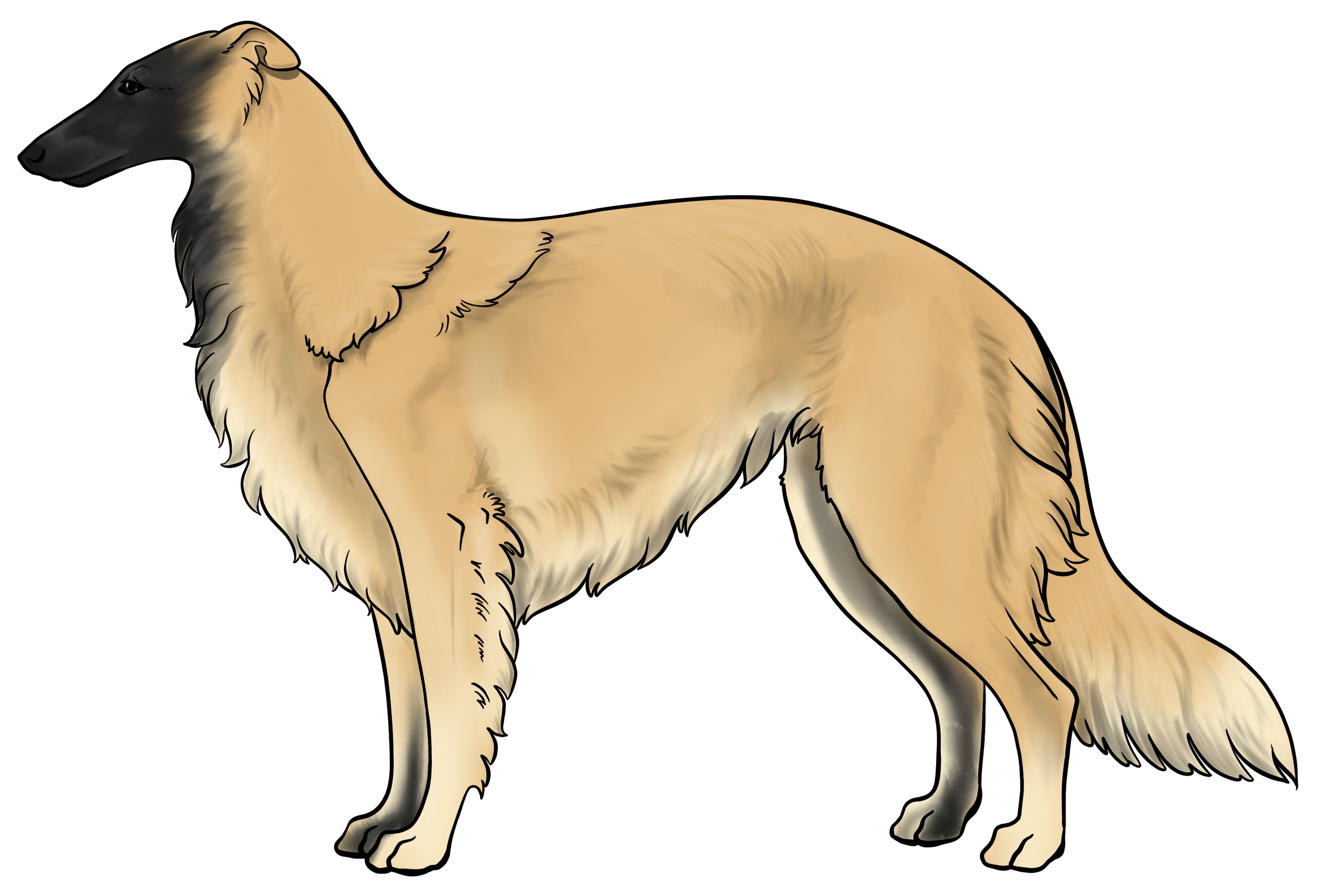
Masking: Masks are the most dominant allele on the E locus. It is characterized by black hairs on the face. The mask can be restricted to just around the nose and lips, or cover the entire head, ranging everywhere in between. Sometimes masks can be so extensive that they create black hairs down the neck, on the inner legs, and undersides (second illustration). This is often called “extreme masking” and is commonly seen in breeds like the Belgain Maliois. While we have yet to see this specific phenotype in silken windhounds, the presence of watermarking, which is most often paired with heavy-extreme masking, would suggest that it is a possible phenotype in Silken Windhounds.
Presence of a black mask prevents the expression of any grizzle variants or recessive red.
Tests As: Em/-
Register As:
AKC: [Marking] 004 Black Mask, 006 Blue Mask, 114 White Markings Black Mask, 113 White Markings Blue Mask 113, 437 White Trim Black Mask, 436 Spotted on White Black Mask
ISWS: [Marking] Masked
UKC: Masked
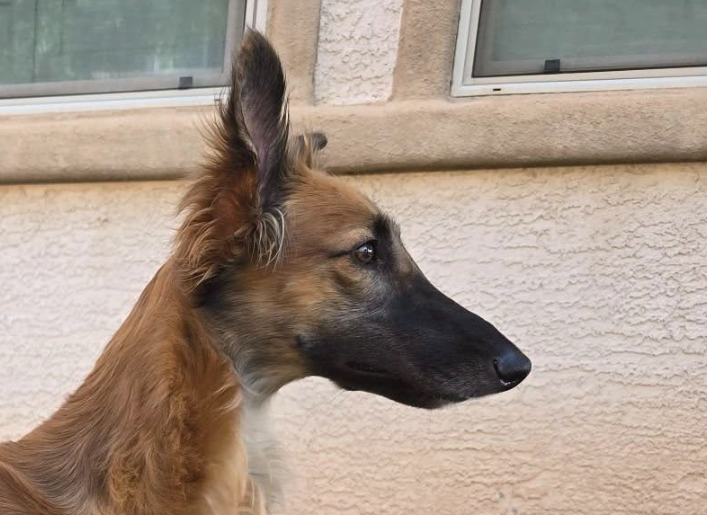
Self dog with Mask
Photo by Meg Hager
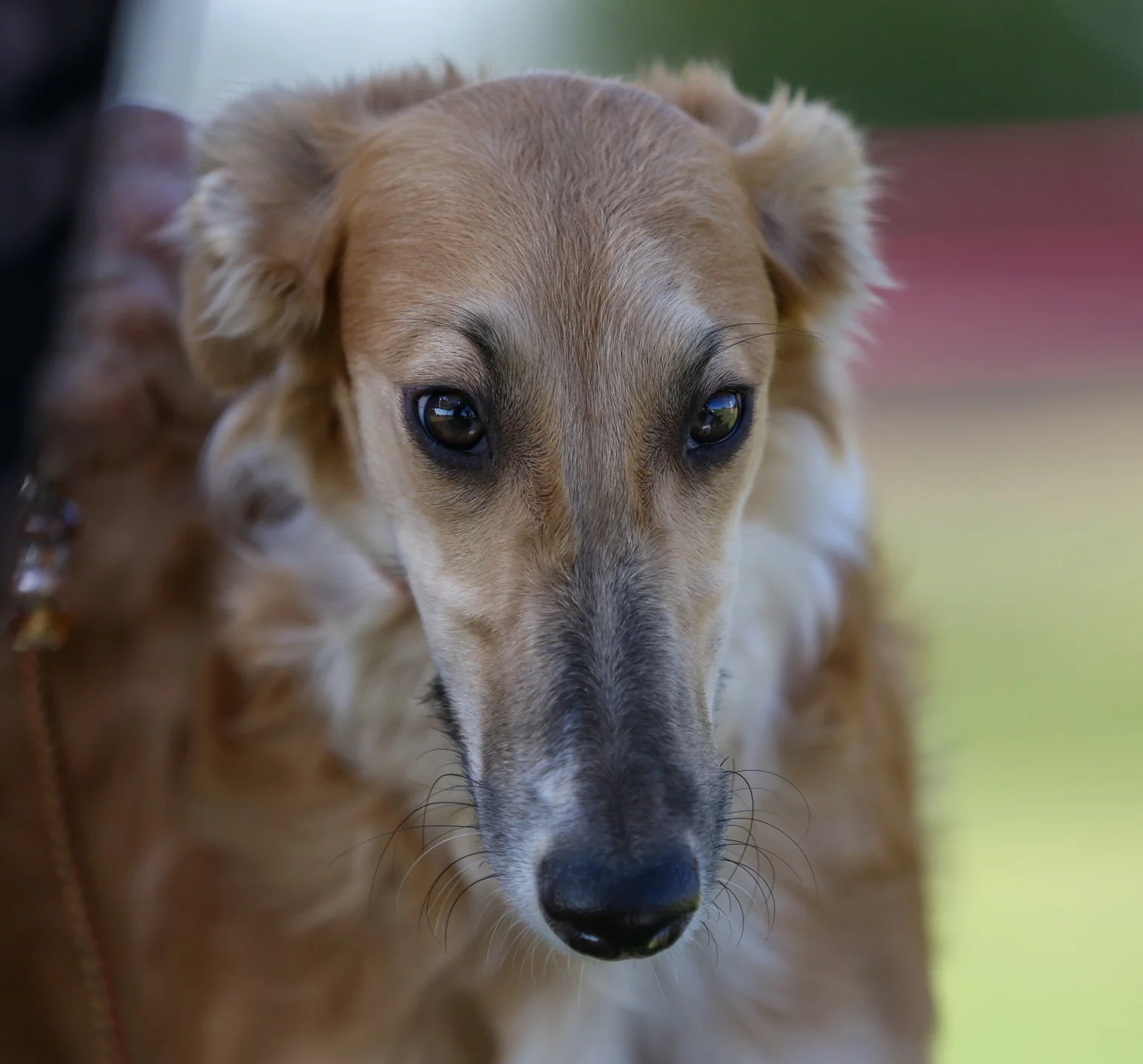
Small Mask
Photo by Ashley Cirimeli
Spotted dog with Mask
Newborn with Mask
Extension, the E allele
Similar to the ky allele, E does not represent a specific color or pattern, but can restrict the expression of other recessive alleles such as grizzle and recessive red. E is recessive to masks (Em). On genetic tests, E is designated by process of elimination. If a dog tests negative for Em, eg, eH, eA, and e, the dog will be listed as E. However, not all labs test for every allele on the E locus. Some labs may report E when a dog is actually eA or eH. The only E locus alleles in the silken windhound gene pool, to our knowledge, are Em, E, eg, and e, and thankfully most major genetics labs do test for these alleles.
Grizzle, eg
The eg allele does not have one specific phenotype but rather, this allele modifies and restricts color and markings on other loci. Below are all known grizzle variants that exist in silken windhounds, their genotypes, and how to register them. Grizzle affects the K locus by lightening any eumelanin from either dominant black or brindle, and only minimally affecting the A locus markings. Without dominant black or brindle, grizzle affects the A locus by restricting the expression of the eumelanin markings from either shaded yellow, black and tan, or saddle markings. The eg allele is recessive to both Em and E, and therefore a dog cannot be both masked and express any of the grizzle variants. The word “Grizzle” is also used to describe eg’s modification of black and tan. When the allele was originally studied in Salukis and Afghan Hounds, it was thought that this was the only other alleles that eg affected. We now know otherwise.
The list of grizzle colors are: Silver, Black and Silver, Silver Brindle, Gold Brindle, Grizzle, Grizzle Brindle, and Grizzle based creams/golds/reds.
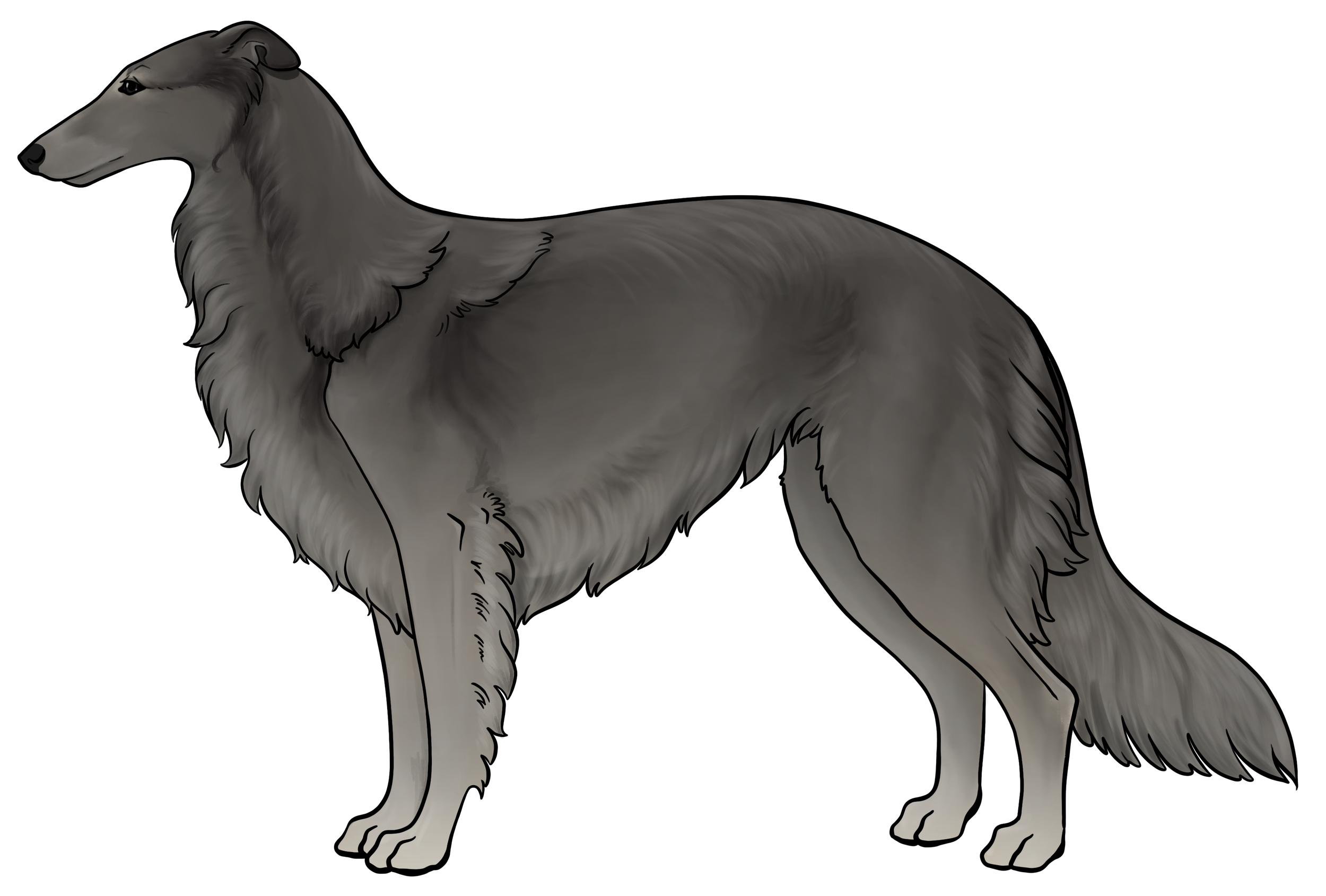
Silver: Also called “Chinchilla”.Silver is caused by grizzle combining with dominant black and the Ay allele (either shaded yellow or dominant yellow). This genotype can range from a very light silver color to nearly black. Sometimes you can see red pigmented hairs in areas around the ears, pants, and shoulders. In a few instances, we have seen examples of silver silkens who have a much larger spread of red pigment and higher red intensity.
Tests as: Kb/Kb or Kb/ky, eg/eg or eg/e, Ay/Ay or Ay/at. With UC Davis the A locus can be ASIPdy or ASIPsy and we suspect that ASIPsy may result in darker silvers.
Register as:
AKC: [Color] 176 Silver
ISWS: [Color] Chinchilla
UKC: Silver or Chinchilla
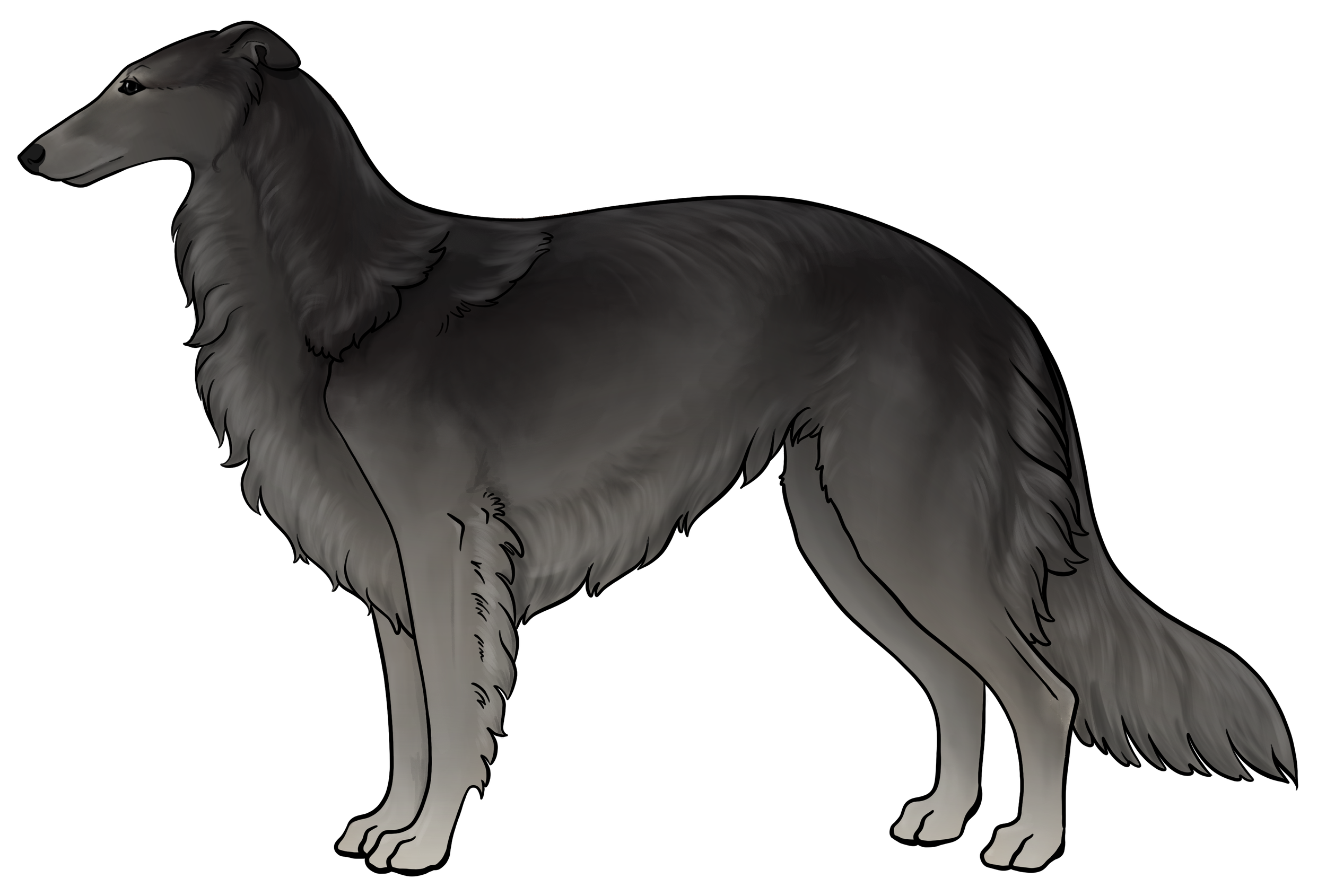
Self silver
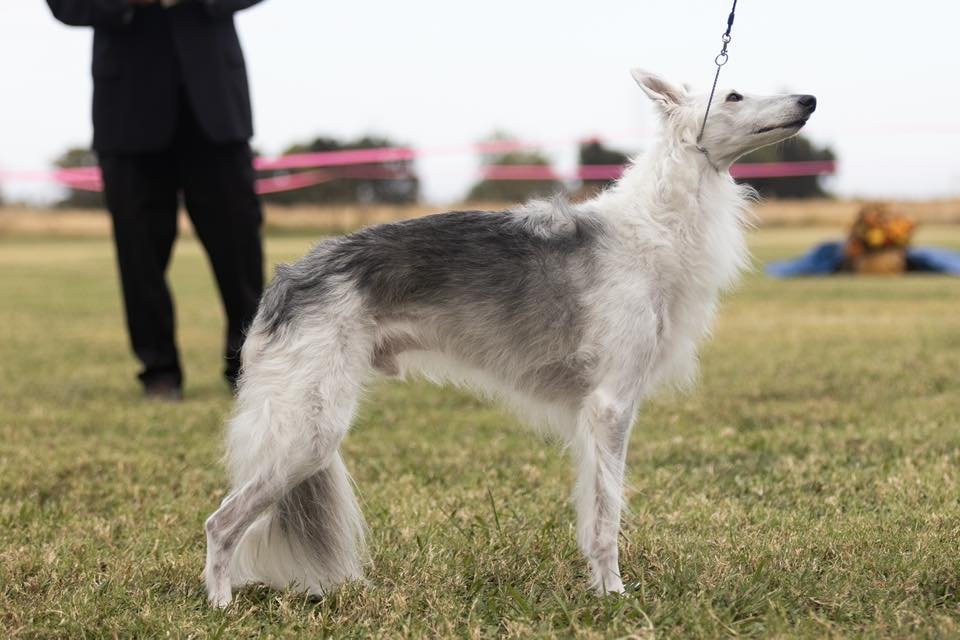
Irish marked silver, with greying pattern
Photo by Ashley Cirimeli
Spotted Silver
Newborn Silver
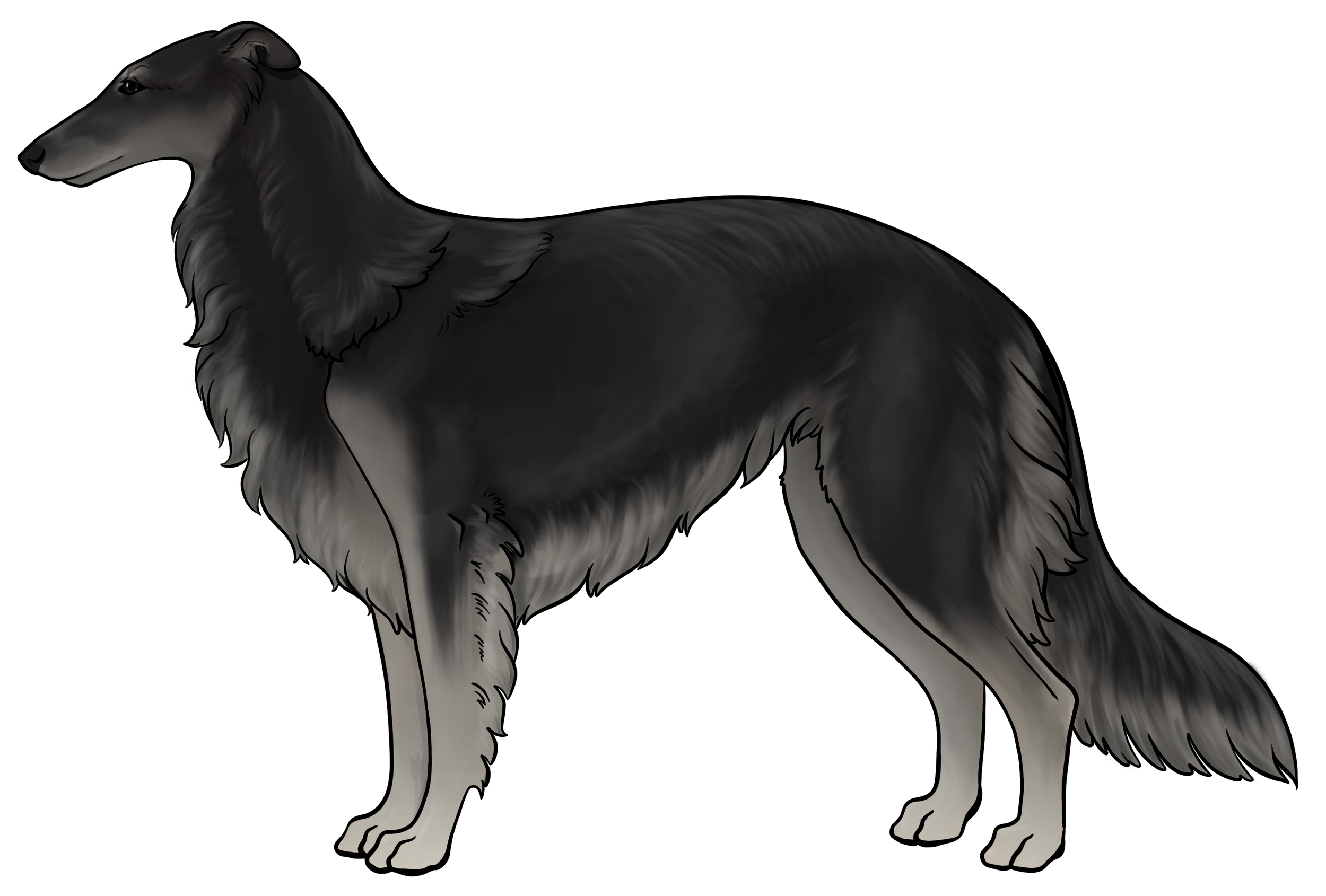
Black and Silver: This genotype is nearly identical to silver but with black and tan on the A locus instead of Ay. Unlike silver, a black and silver dog will appear to have black markings in a very similar pattern to a tan point, but with silver points instead. The edges of the black markings are sometimes not as sharp as a clear black and tan dog. Like silver, you will sometimes see swatches of red hairs in some areas.
Tests as: Kb/Kb or Kb/ky, eg/eg or eg/e, at/at
Register as:
AKC: [Color] 016 Black and Silver
ISWS: No color designation but recommended write in “Black and Silver”
UKC: Black and Silver
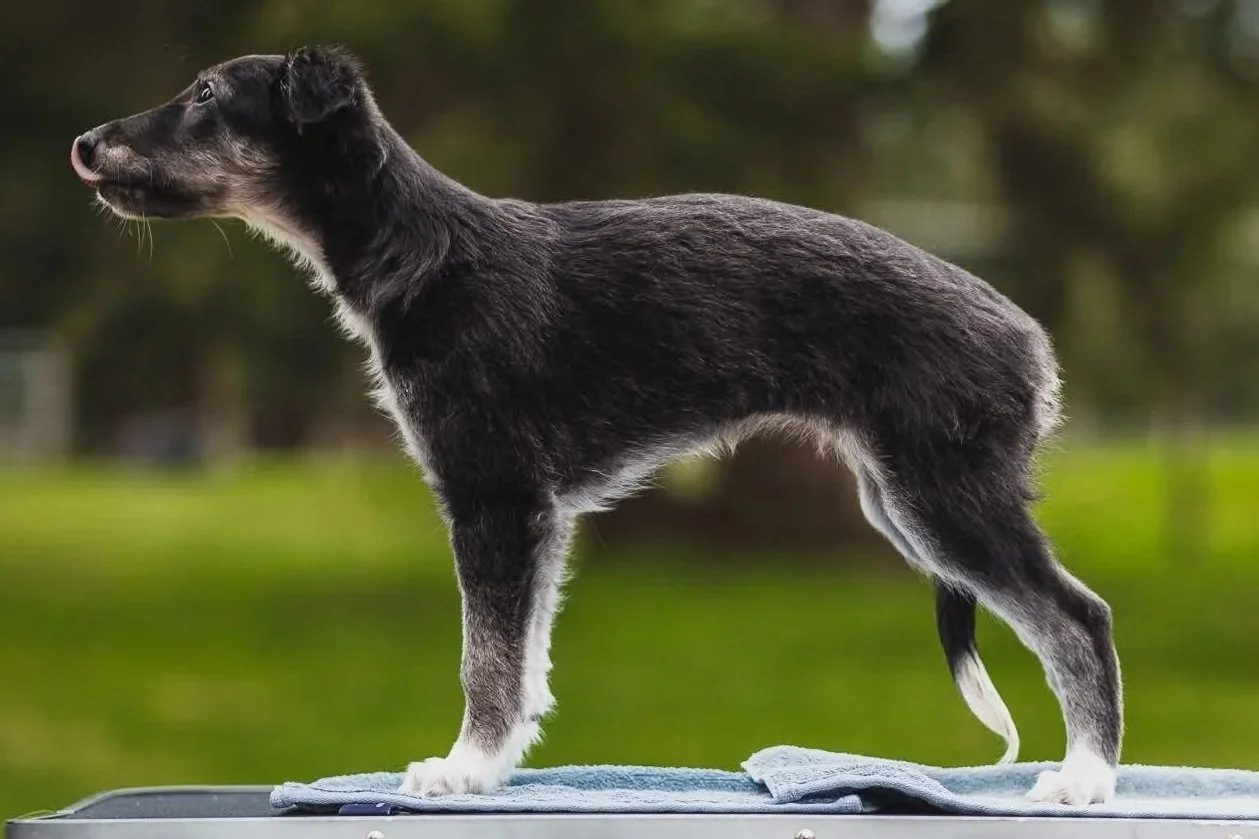
Self black and silver young silken
Photo by Pauline Ng
Irish marked black and silver
Spotted black and silver
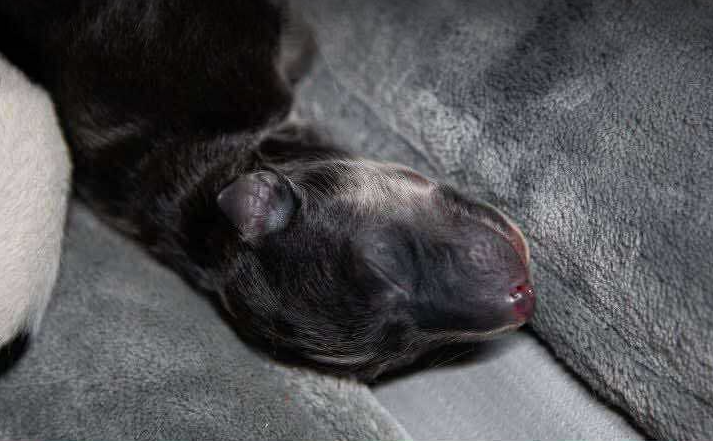
Newborn black and silver
Photo by Pauline Ng
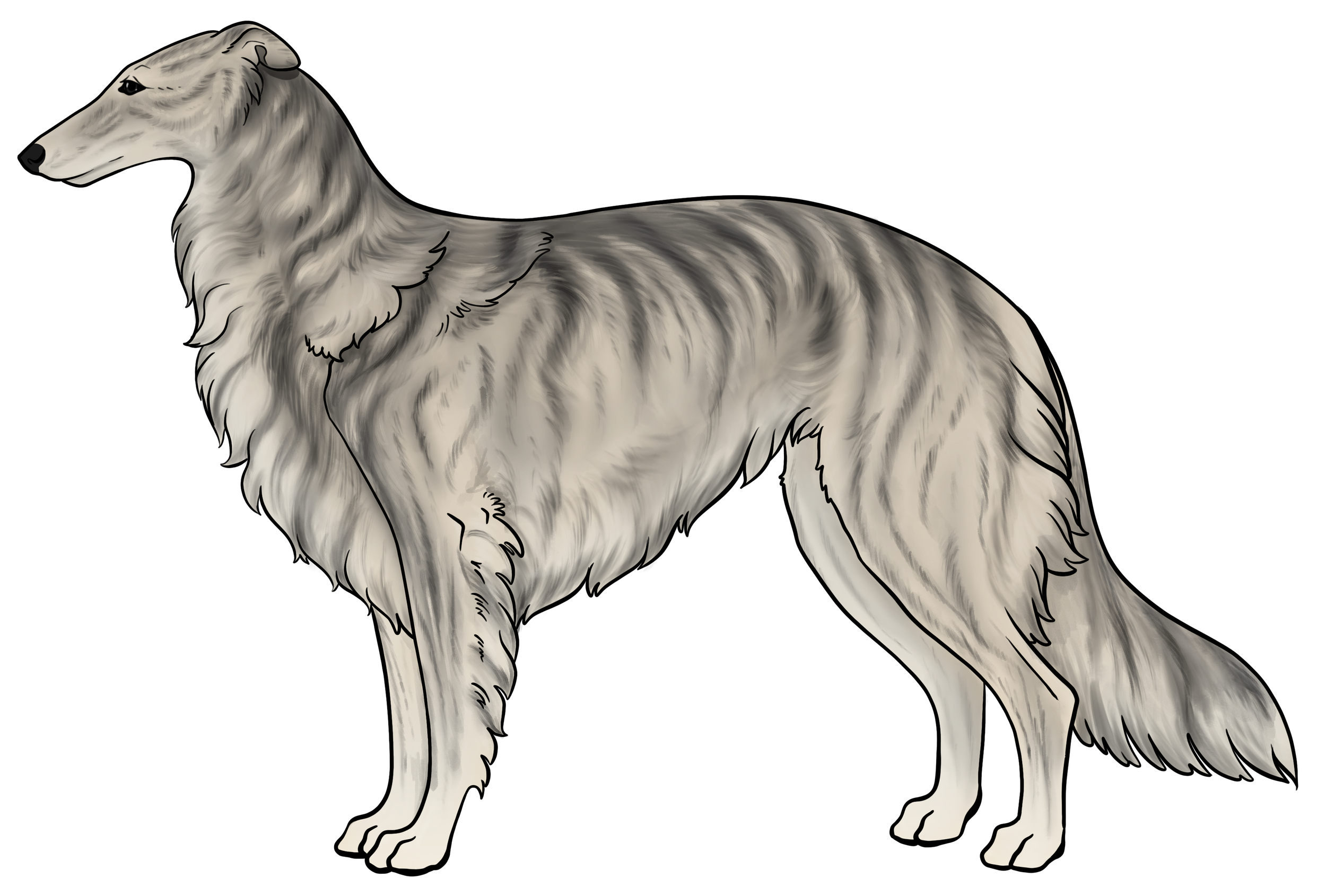
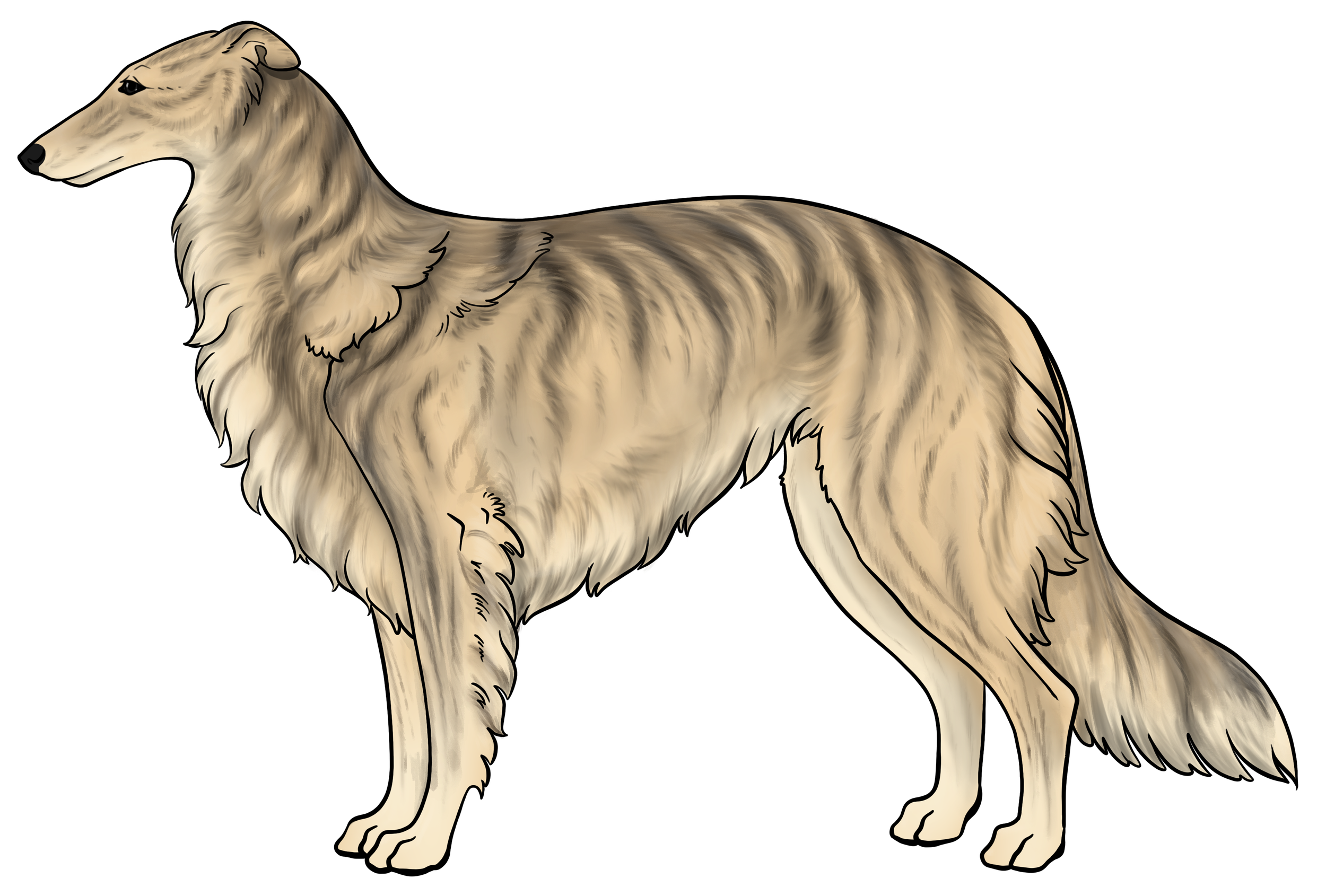
Silver Brindle, Gold Brindle: A silver brindle and gold brindle are genetically the same, save for the level of red intensity. Silver brindles have quite pale (cream or lighter) phaeomelanin, while gold brindles are gold or darker. The eumelanin stripes are lightened to a silvery color on a silver brindle. On gold brindles, the lightening sometimes makes the stripes appear more brownish than silver. A brindle dog who is E/- or Em/- should not be registered as gold brindle.
Tests as: Kb/ky(brindle) eg/eg or eg/e, Ay/Ay or Ay/at. With UC Davis, can be ASIPsy or ASIPdy.
Register as:
AKC: [Color] 303 Silver Brindle, 485 Gold Brindle
ISWS: [Color] Silver Brindle, Gold Brindle
UKC: Silver Brindle, Gold Brindle
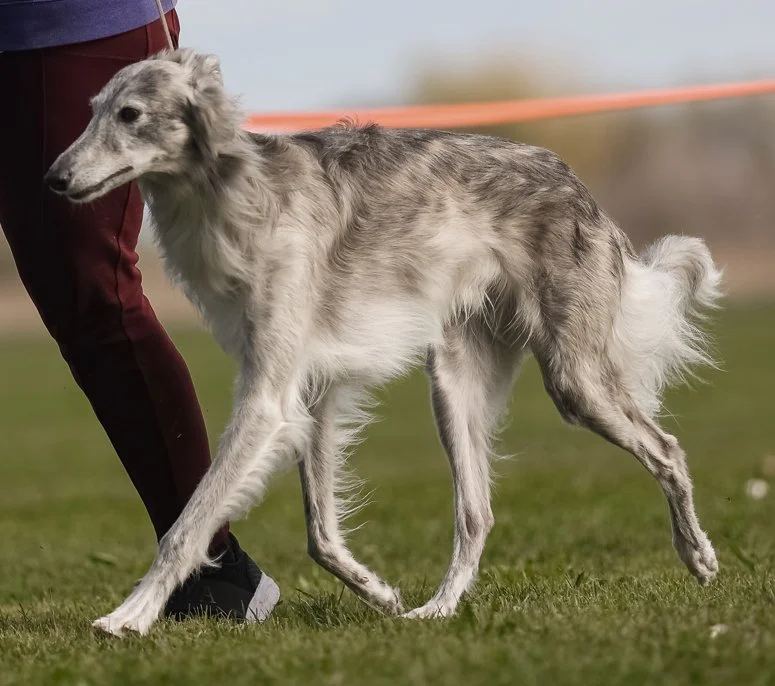
Self Silver brindle
Photo by Ashley Cirimeli
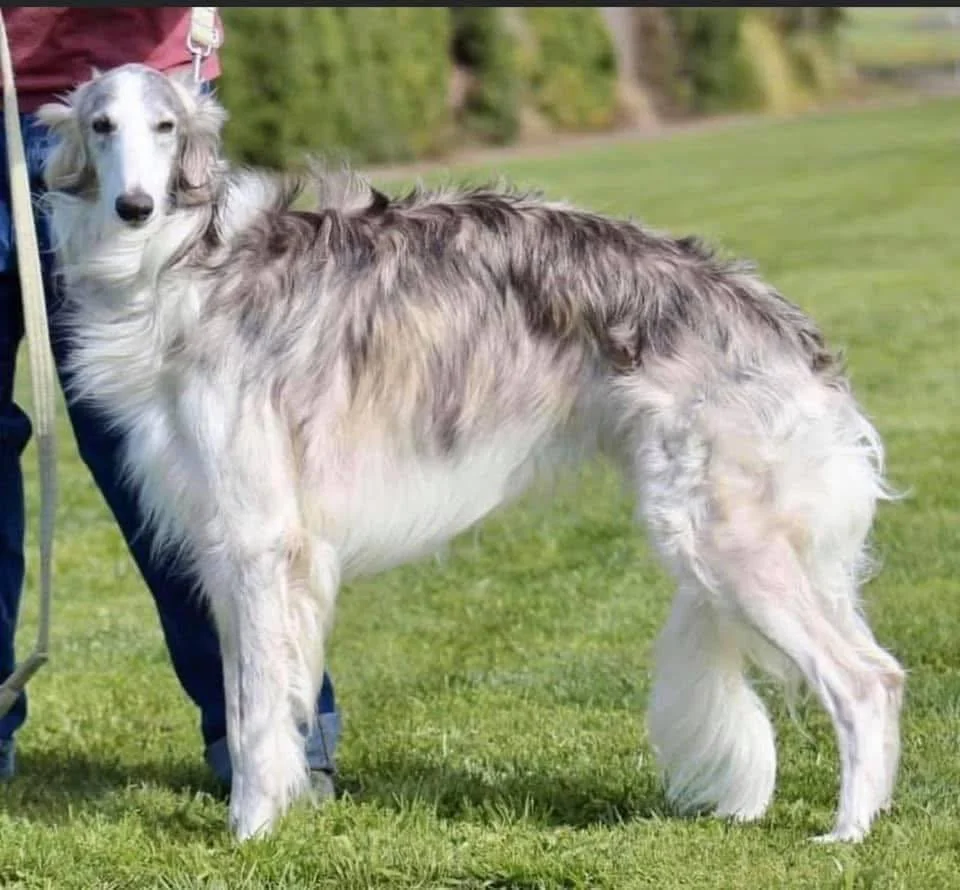
Irish marked silver brindle
Photo by Joyce Chin
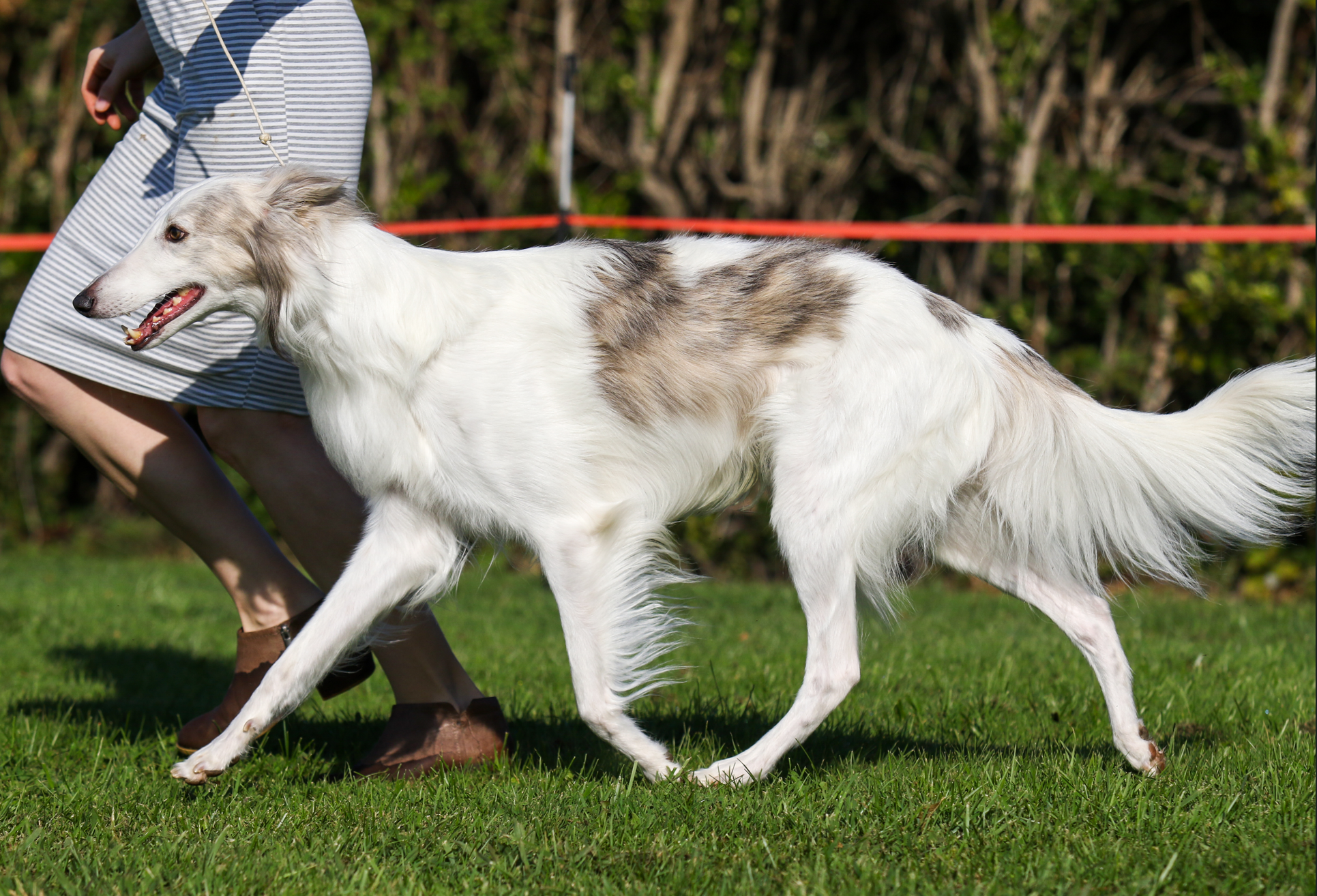
Spotted gold brindle
Photo by Ashley Cirimeli
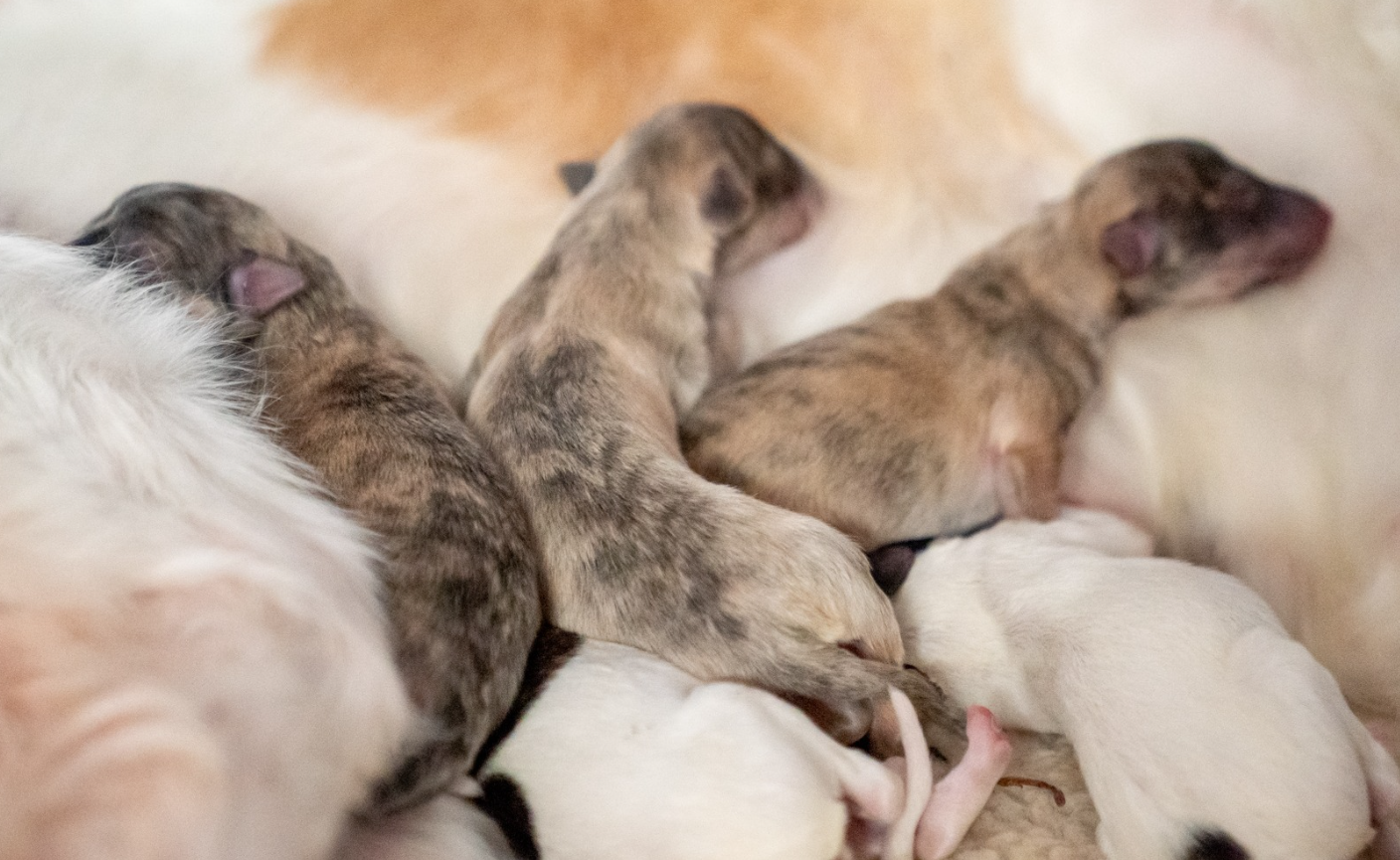
Newborn gold brindles
Photo by Megan Lundberg
Newborn grizzle
Spotted grizzle
Irish marked grizzle
Self grizzle
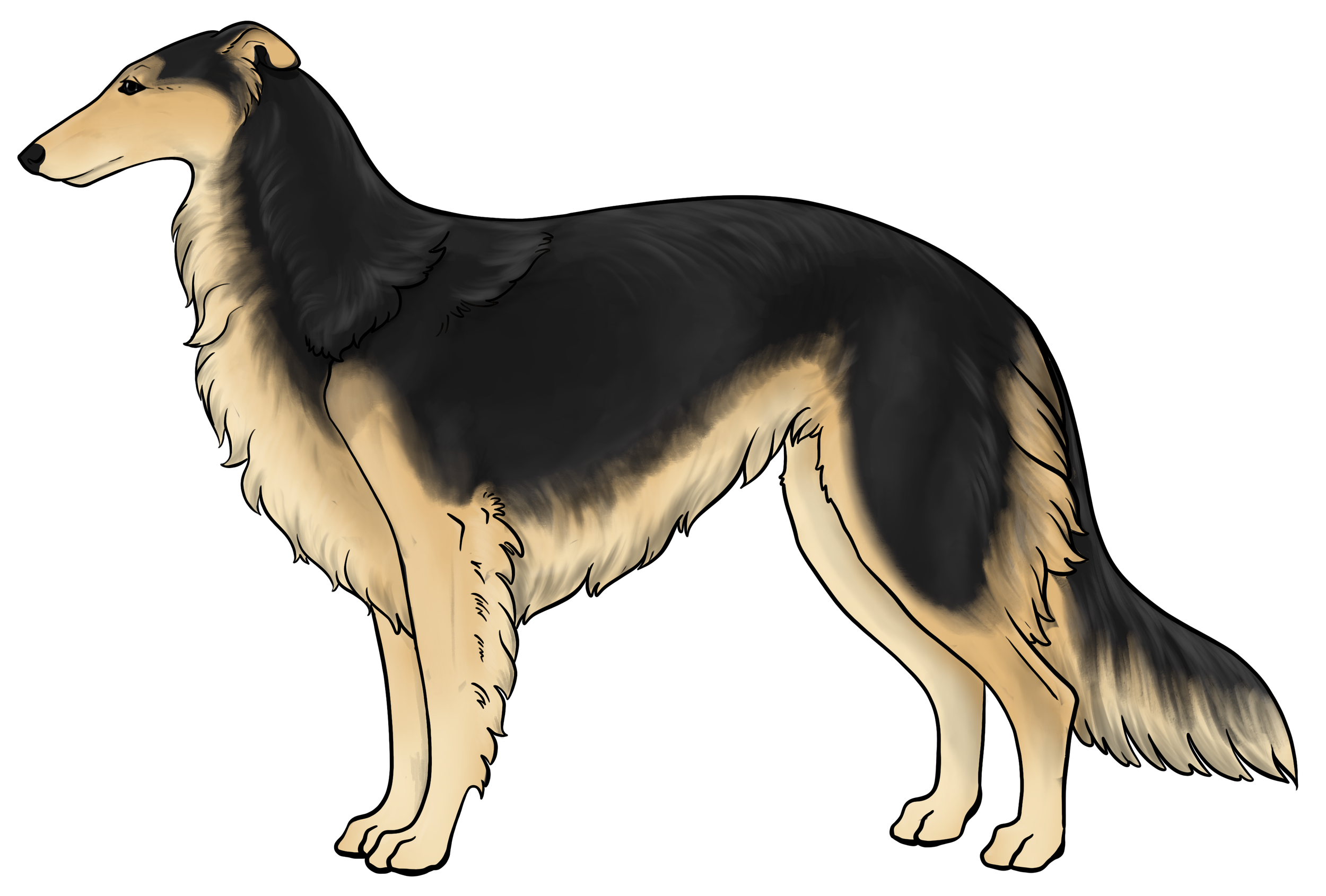
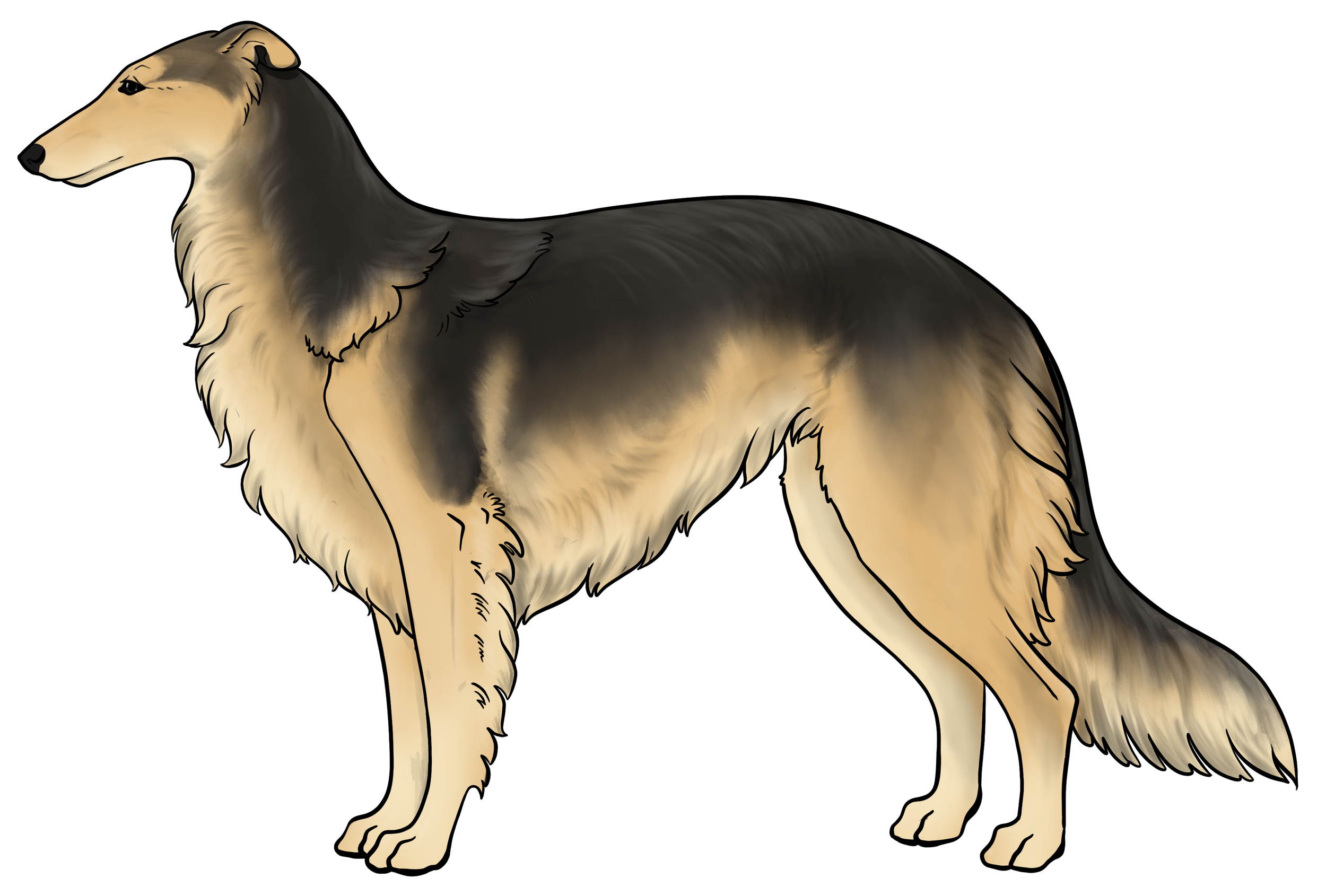
Grizzle: This color was first studied in Salukis and Afghan hounds, and is what the g stands for in the eg allele. It was initially thought that the grizzle allele was only responsible for modifying black and tan (at/at), and as such, the word “grizzle” referrs both to the eg allele, and this specific phenotype. However, we now know that it affects both the K locus and other alleles on the A locus, as seen by this huge section!
Without the presence of dominant black, grizzle restricts the expression of black on the A locus. The black markings recede, the pips widen to create a striking widow’s peak, and the black hairs become banded showing phæomelanin at the base and eumelanin at the tip.
Puppies are born with what appear to be black and tan markings that fade into a classic grizzle appearance as they grow. There is usually a period of coat change when these dogs are a few months old, where the black hairs almost disappear, and then grow back. We see this coat change pattern on young silver and gold brindles as well.
Dogs who are eg/eg tend to have much stronger black markings that don’t recede as far. Dogs who are eg/e, carrying recessive red, typically have a more faded look to their black hairs and even more receeding of the black markings.
Tests as: ky/ky, eg/eg or eg/e, at/at
Register as:
AKC: [Color] 109 Grizzle, 249 Blue Grizzle,
ISWS: [Color] Cream Sable, Gold Sable
UKC: Grizzle (recommended) or Sable
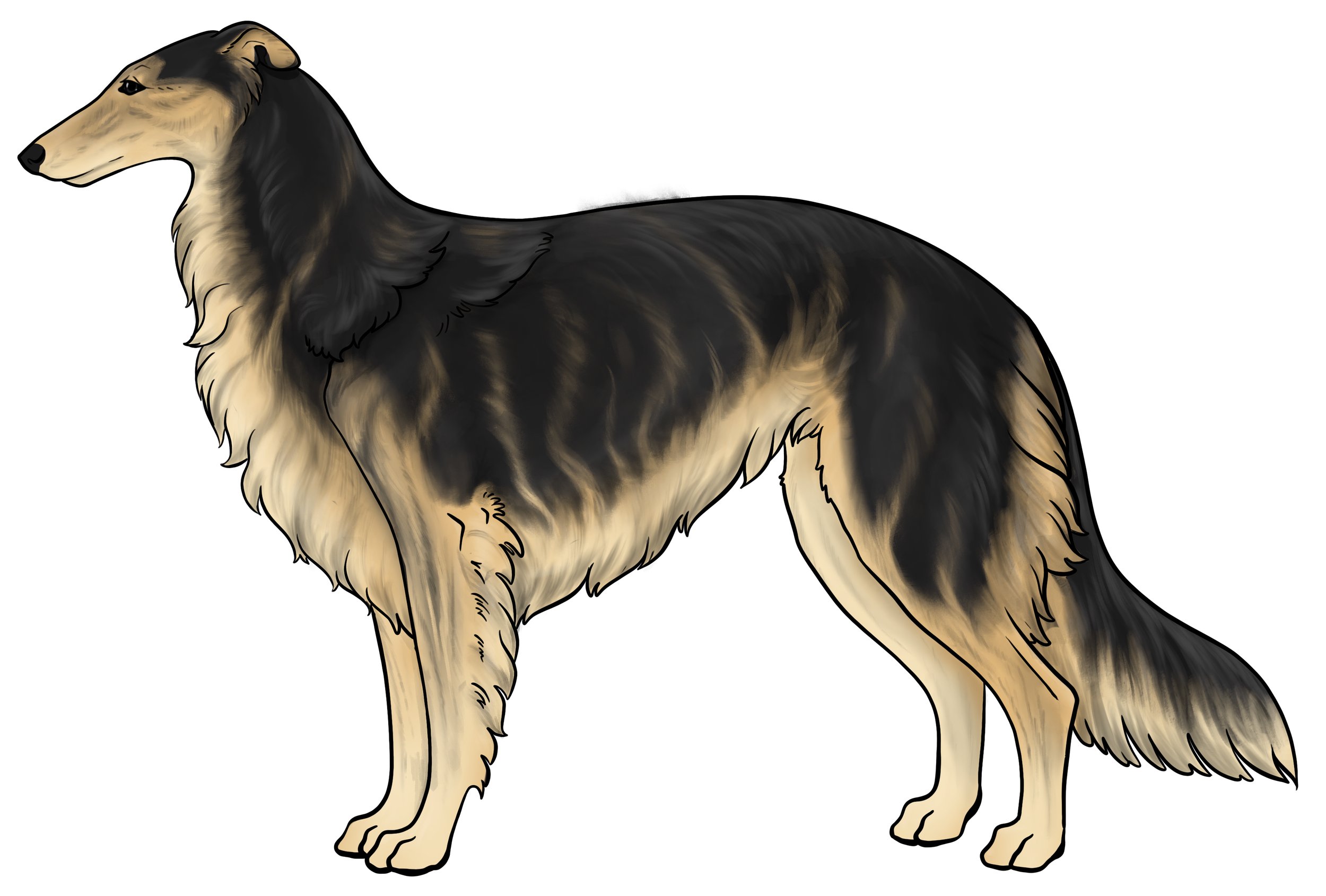
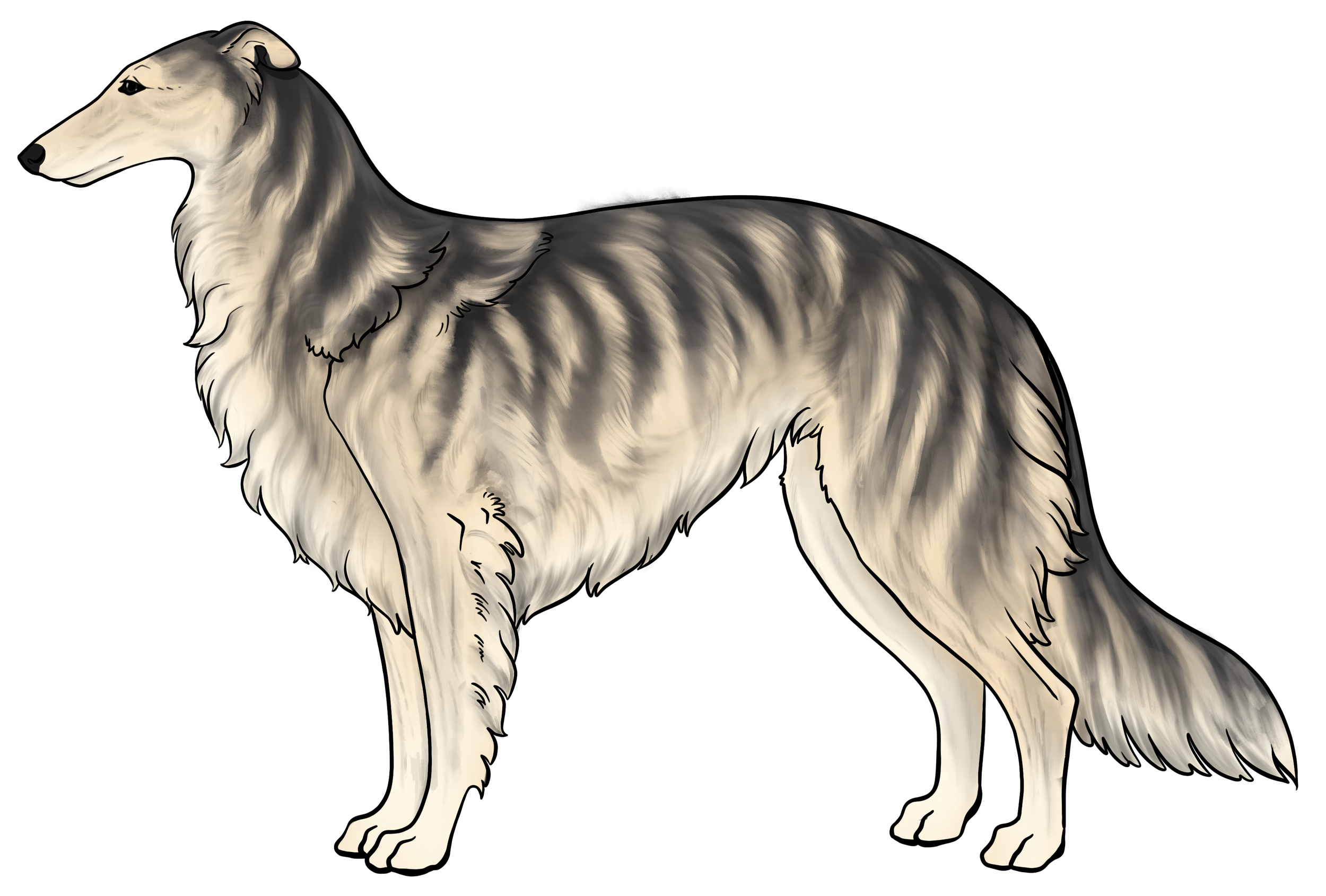
Grizzle Brindle: This genotype looks quite similar to grizzle, but with the addition of brindle. Adding brindle to the recipe has a fascinating effect. Instead of brindle appearing only where the phæomelanin is expressed, typically you can find brindle like stripes extending up into the black markings along the topline and sides as well. There are dogs with this genotype that appear silver brindle. Typically this occurs when the dog is also saddle (ASIPbs with UC Davis) and eg/e on the e locus. That combination restricts the black mantle marking to a very small patch of silver over the topline, revealing more brindle stripes.
Tests as: KB/ky (Brindle), eg/eg or eg/e, at/at
Register as:
AKC: [Color] 109 Grizzle, 249 Blue Grizzle, [Marking] 051 Brindle
ISWS: No designated color option, recommended write in “Grizzle Brindle”
UKC: Grizzle Brindle (recommended), or Sable Brindle
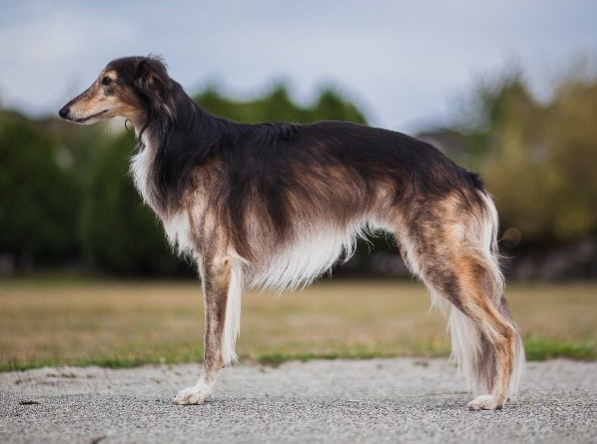
Self grizzle brindle
Photo by Pauline Ng
Irish marked grizzle brindle
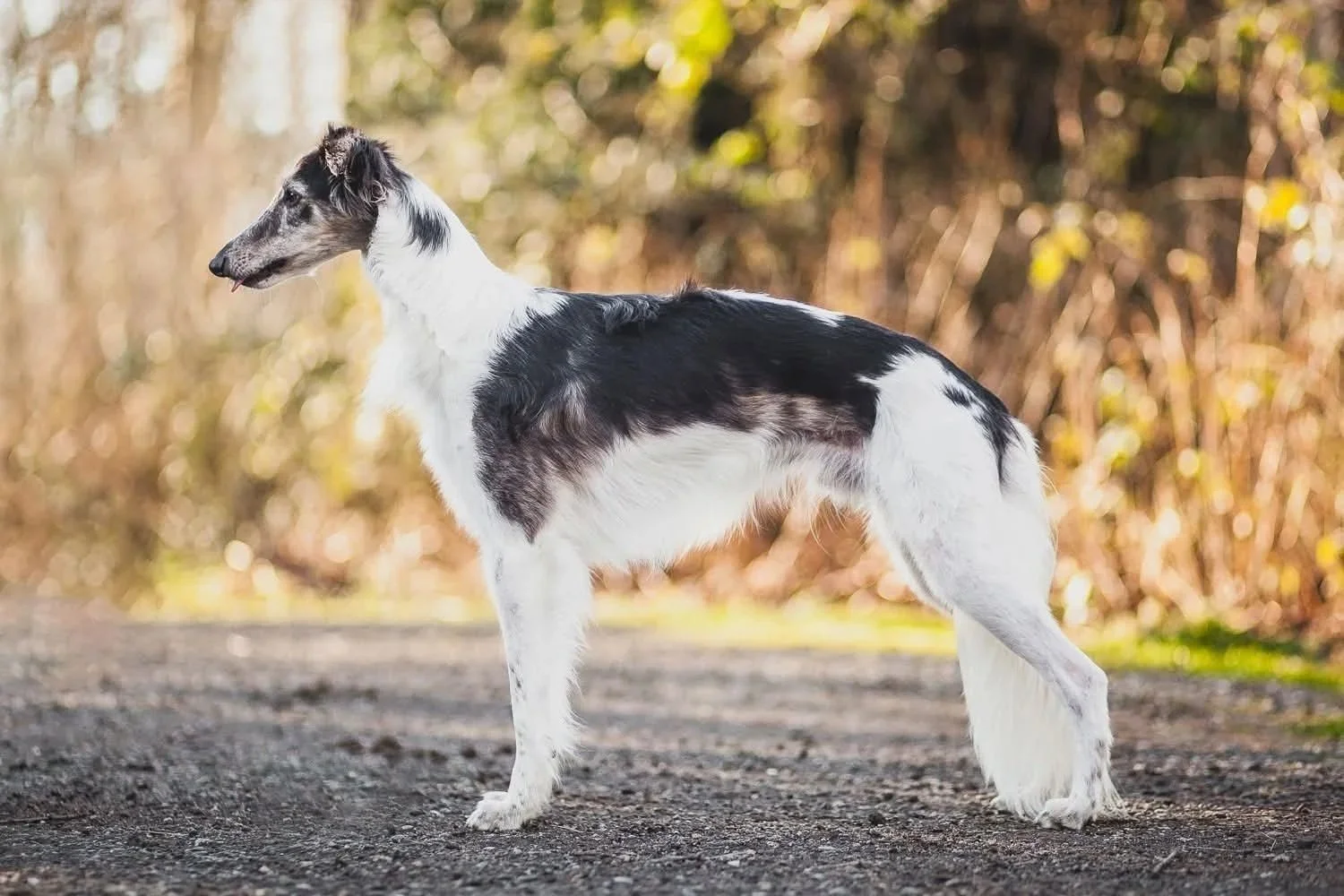
Spotted grizzle brindle
Photo by Pauline Ng
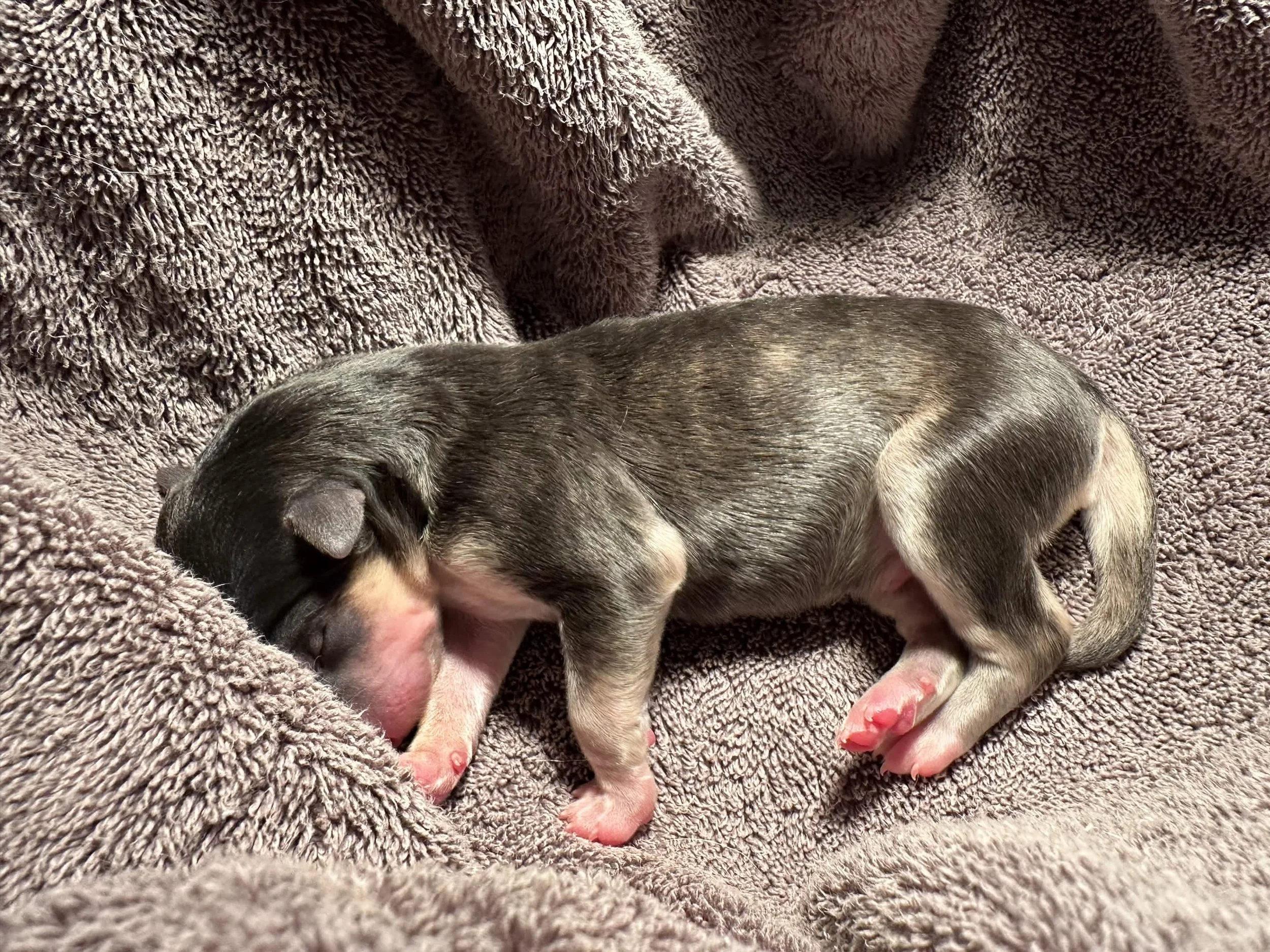
Newborn grizzle brindle
Photo by Brianna Boswell
Grizzle based red, gold, and cream: Dogs with this genotype will are easy to identify as puppies because they are born with silver hairs on their shoulders and thighs, which fades away by 2 weeks. Any eumelanin expressed from the A locus is restricted down to almost nothing. Some dogs with this genotype still have barely perceptible silvery hairs on the ends of their ears as adults. Most often, these dogs are gold or cream. A very pale cream with a high level of white markings can be registered as white.
Tests as: ky/ky, eg/eg or eg/e, Ay/- (can be ASIPdy or ASIPsy)
Register as:
AKC: [Color] 140 Red, 091 Gold, 076 Cream, 199 White
ISWS: [Color] Cream, Fawn, Gold, Red
UKC: Cream, Fawn, Gold, Red
Self grizzle [red intensity]
Irish marked grizzle [red intensity]
Spotted grizzle [red intensity]
Newborn grizzle [red intensity]
Saddle’s Effect on Grizzle: Like grizzle, Saddle will restrict the expression of eumelanin on the A locus, but in a different pattern. On the grizzle marking, it limits the black hairs to appearing just along the topline and sometimes subtly on the head as well. We have also seen this combination make the black hairs more of a silvery color. On grizzle brindle, especially when a dog carries recessive red (e), saddle seems to obliterate the blak mantle marking almost entirely and the dog phenotypes as a false silver brindle. However, when combined with dominant black (KB) for saddle black and silver, the A locus black pattern resembles more of a typical, classic grizzle with silver
Tests as: ASIPbs (UC Davis)
Register as:
AKC: [color] 109 Grizzle, 249 Blue Grizzle [marking] Black Saddle 065
ISWS: No designated color option but recommended write in “Saddle Grizzle”
UKC: Saddle Grizzle
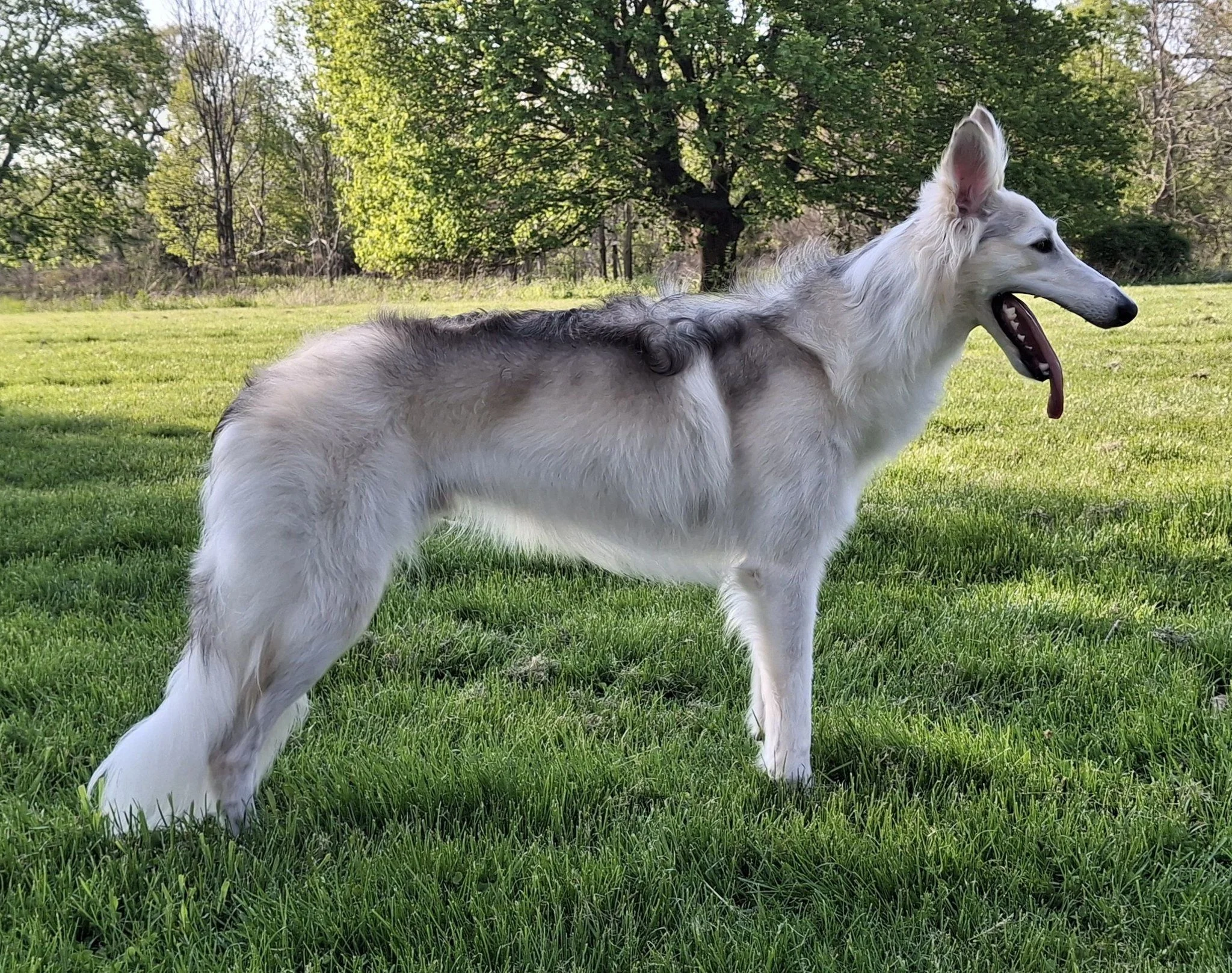
Saddle Grizzle
Photo by Abbee Hughes
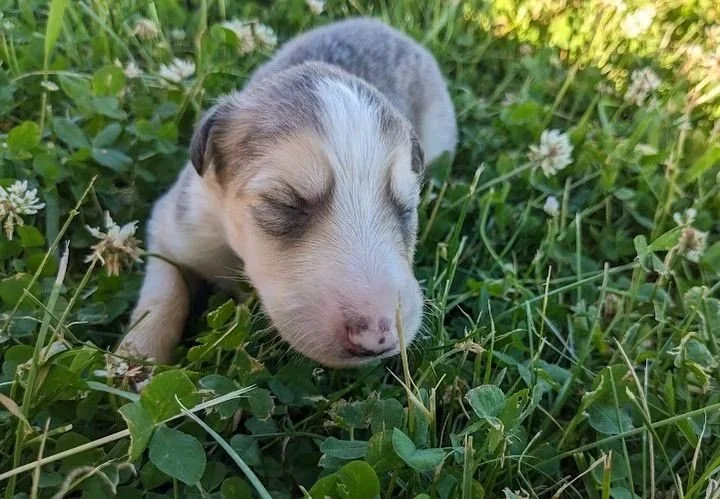
Newborn Saddle Grizzle
Photo by Abbee Hughes
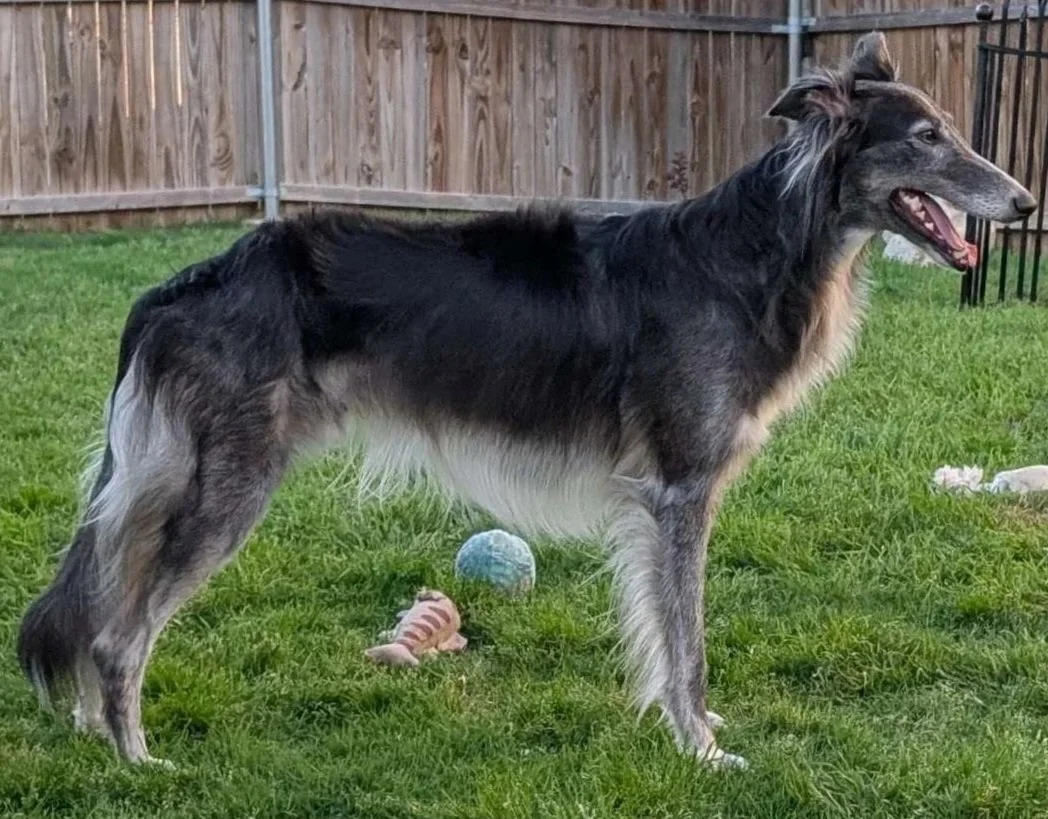
Saddle with Black and Silver
Photo by Angela at Laelaps
Saddle Grizzle Brindle
Recessive Red
Recessive Red: This genotype obliterates all black hairs except in the instance of somatic mutations, which reveal the color the dog would be. Recessive red will hide dominant black, brindle, black and tan, etc. Silkens don’t have merle in the gene pool but recessive red can hide that too though rarely there are slightly visible patches. Any intensity of red can be expressed with recessive red, though gold and cream seem to be the most common. Sometimes this genotype is associated with pigment loss on the nose and eyelids. This is the most recessive allele on the E locus and requires two copies to express, though presence of the e allele on grizzle can further restrict the expression of black markings.
Tests as: e/e
Register as:
AKC: [Color] 140 Red, 091 Gold, 076 Cream, 199 White
ISWS: [Color] Cream, Fawn, Gold, Red
UKC: Cream, Fawn, Gold, Red
The A locus
Dominant Yellow, Shaded Yellow, Black and Tan, and Saddle
UC Davis cracked the code on the Ay allele and can now differentiate between shaded and non shaded alleles. They also broke down the A locus further by listing 3 different Black and Tan alleles, and giving saddle its own ASIP allele. You can read more about their breakdown of ASIP here. Note, Silken Windhounds do not have some of the other alleles on that locus such as Agouti (sometimes called Wolf Sable, allele listed as Aw or AG,) nor do they have recessive black (a/a).
Dominant Yellow: While the allele name says “yellow”, it can express as any level of red intensity. This is the most dominant allele on the A locus and is nearly indistinguisable from recessive red, and grizzle based reds. The biggest difference is that puppies of this genotype are not born with a silvery sheen like they are with grizzle, and they can have black hairs unlike recessive red. This genotype does not typically affect nose pigment. Most dogs of this genotyope are also brindle so registration will depend on the full genotype. The recommendation below is based on the absense of brindle.
Tests as: ASIPdy with UC Davis, Ay with most other labs such as Embark.
Register as:
AKC: [Color] 140 Red, 091 Gold, 076 Cream, 199 White
ISWS: [Color] Cream, Fawn, Gold, Red
UKC: Cream, Fawn, Gold, Red
Self dominant yellow
Irish marked dominant yellow
Spotted dominant yellow
Newborn dominant yellow
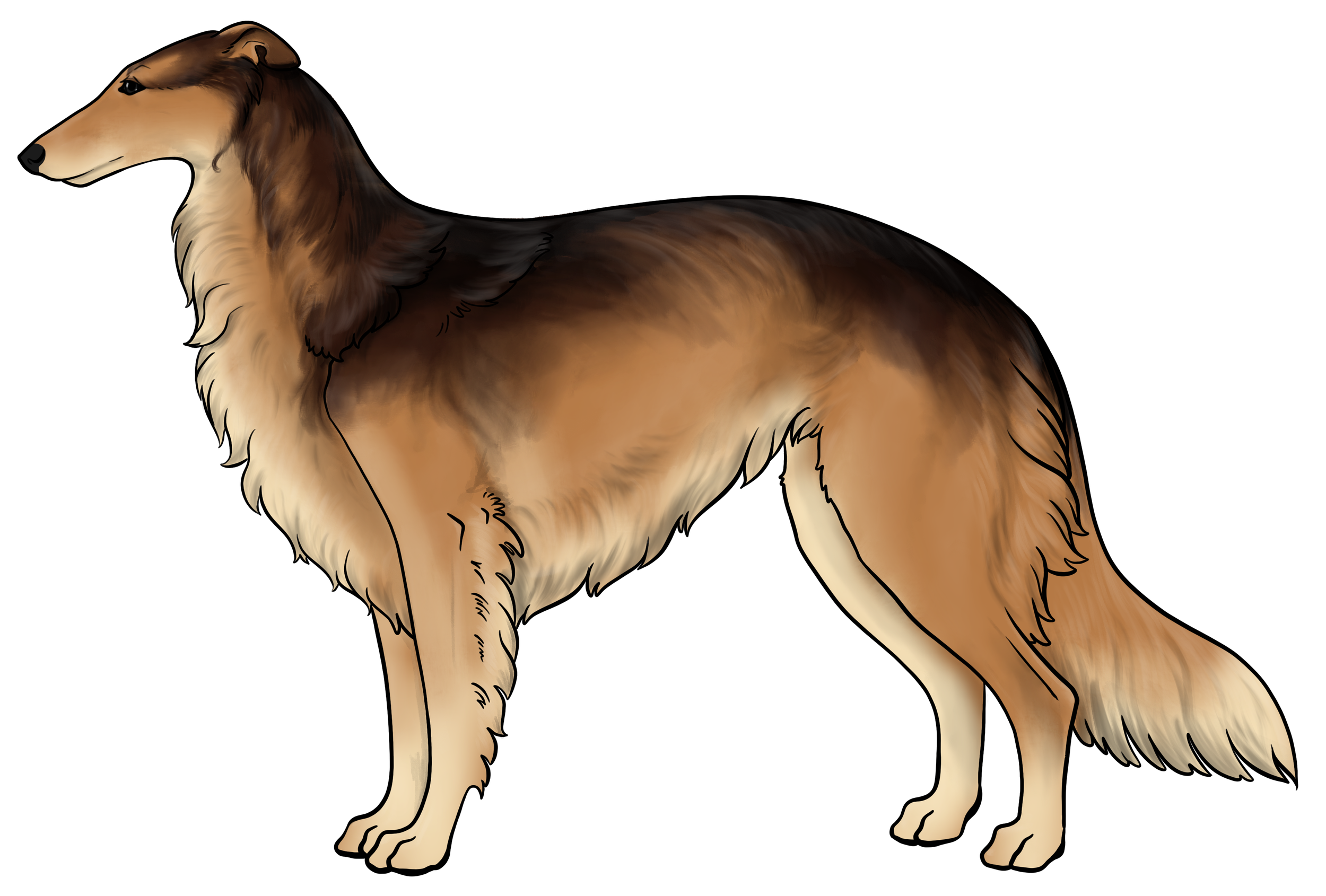
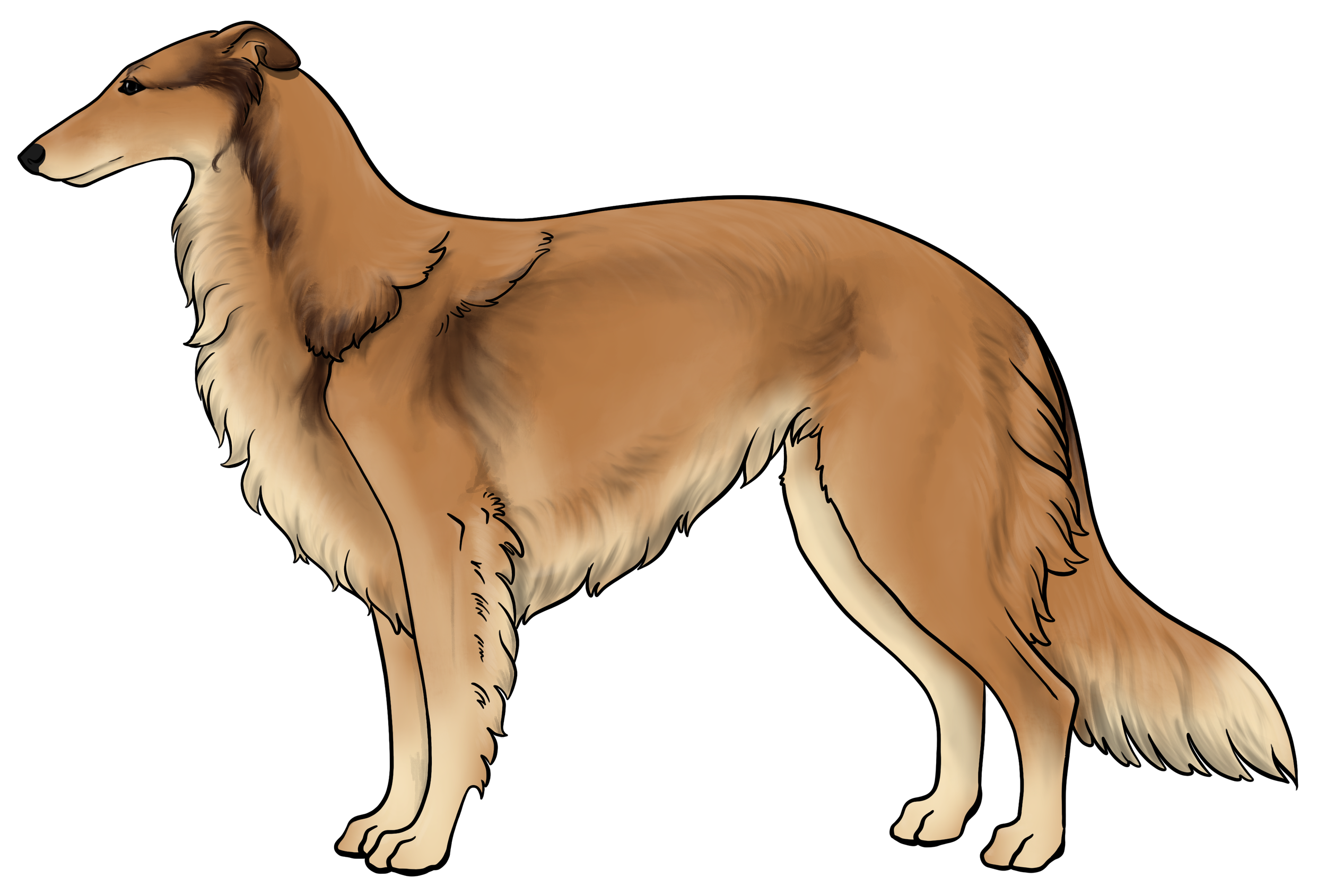
Shaded Yellow, Sable: This genotype is recessive to dominant yellow, but dominant to black and tan, and saddle. Typically called “Sable” in most breeds, the black shading of the hairs can be as small as just around the ears and base of the tail, to a full black topline and widow’s peak, similar to the classic grizzle markings. Puppies are typically born without shading and develop more black hairs as they grow.
Tests as: ASIPsy with UC Davis, Ay with most other labs such as Embark.
Register as:
AKC: [Color] 155 Red Sable, 486 Gold Sable, 348 Cream Sable
ISWS: [Color]
UKC:
Self Sable
Irish marked Sable
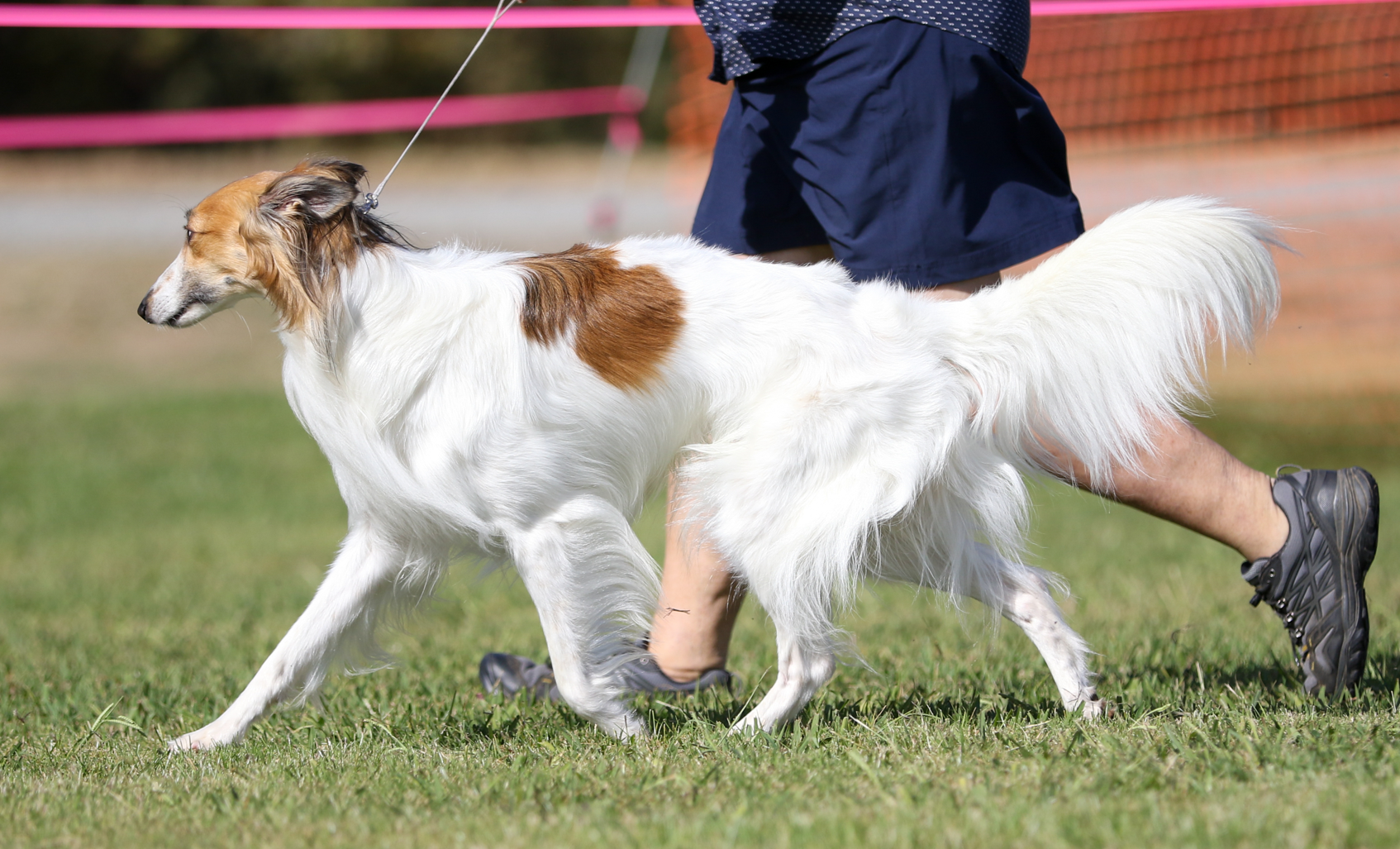
Spotted Sable
Photo by Ashley Cirimeli
Newborn Sable
Saddle: Saddle phenotypes as a restriction of tan point markings, sometimes eliminating any black hairs from the head and leaving a patch of black along the back. Beagles are a great example of saddle markings. Embark reports saddle dogs as at/at with separate alleles for RALY (saddle gene). UC Davis reports saddle dogs as an allele on the A locus (ASIPbs), dominant to black and tan. So far, we have found UC Davis’s reporting on saddle to be more accurate.
Saddle combined with grizzle will further restrict the black markings into an even smaller patch along the back, and can be more of a silver color.
Tests as: UC Davis - ASIPbs/-. Other labs often report saddle separately.
Register as:
AKC: [Marking] 065 Black Saddle
ISWS:
UKC:
Self saddle
Irish Marked saddle
Spotted saddle
Newborn saddle
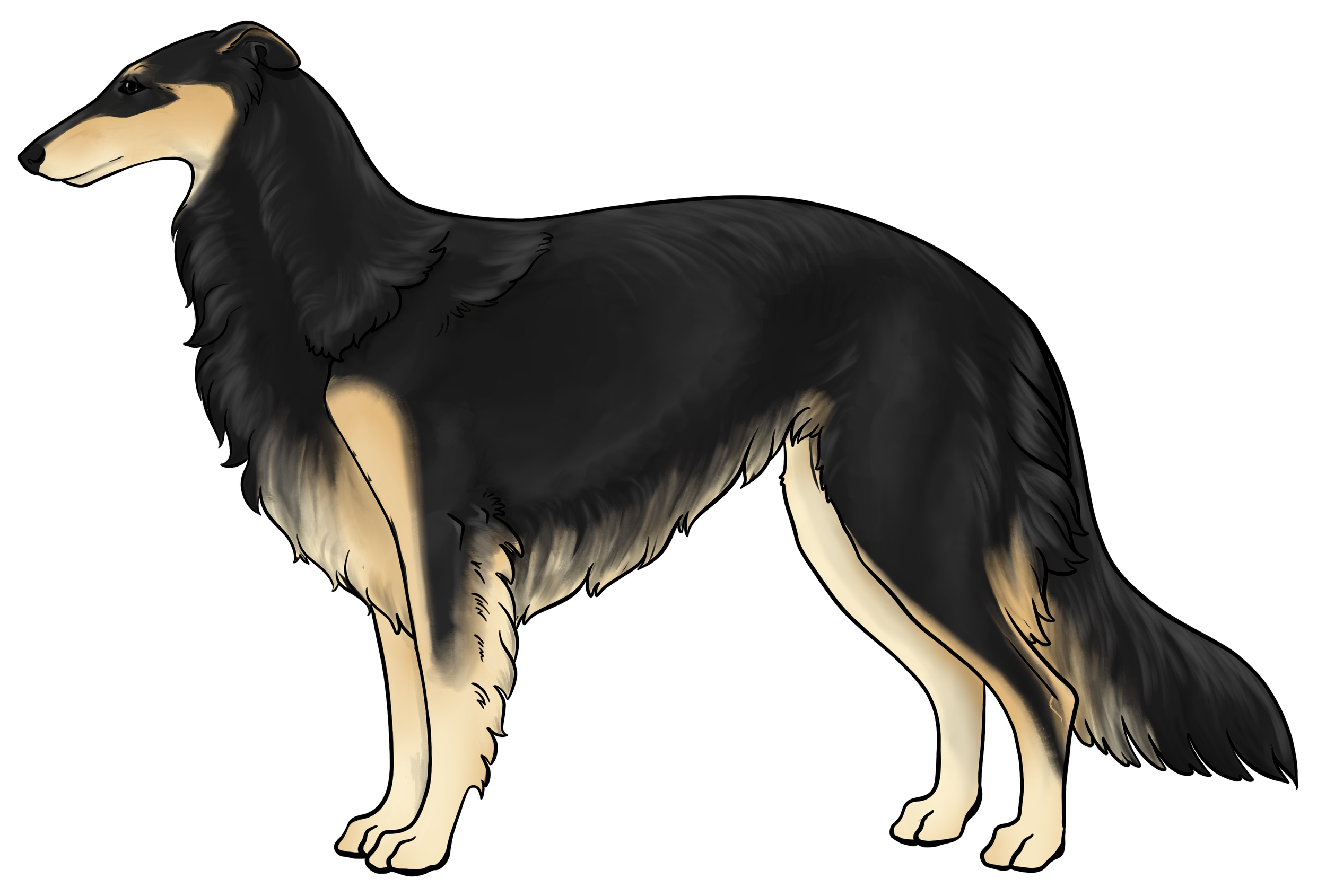
Black and Tan: Black and Tan describes the pattern, even though the dog might be a darker red or a paler cream instead of tan. For silkens, Black and Tan is the most recessive allele on the A locus, thus requiring two copies in order to express. You may recognize this color from breeds such as the Doberman Pinscher and Rottweiler.
Tests as: at/at with most labs and ASIP BB1, BB2, BB3 with UC Davis
Register as:
AKC: [color] 018 Black and Tan, 008 Black and Brindle, 044 Blue and Tan.
Alternatively, Black and tan with Brindle can be registered as [color] 018 Black and Tan [marking] 051 BrindleISWS:
UKC:
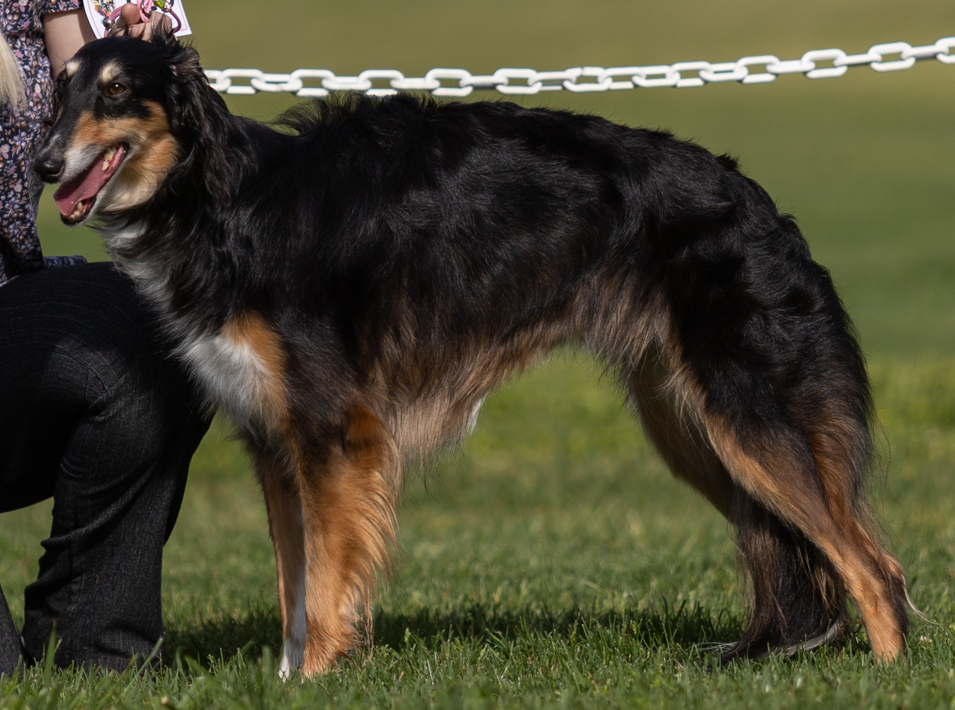
Self black and tan
Photo by Ashley Cirimeli
Irish marked black and tan
Spotted black and tan
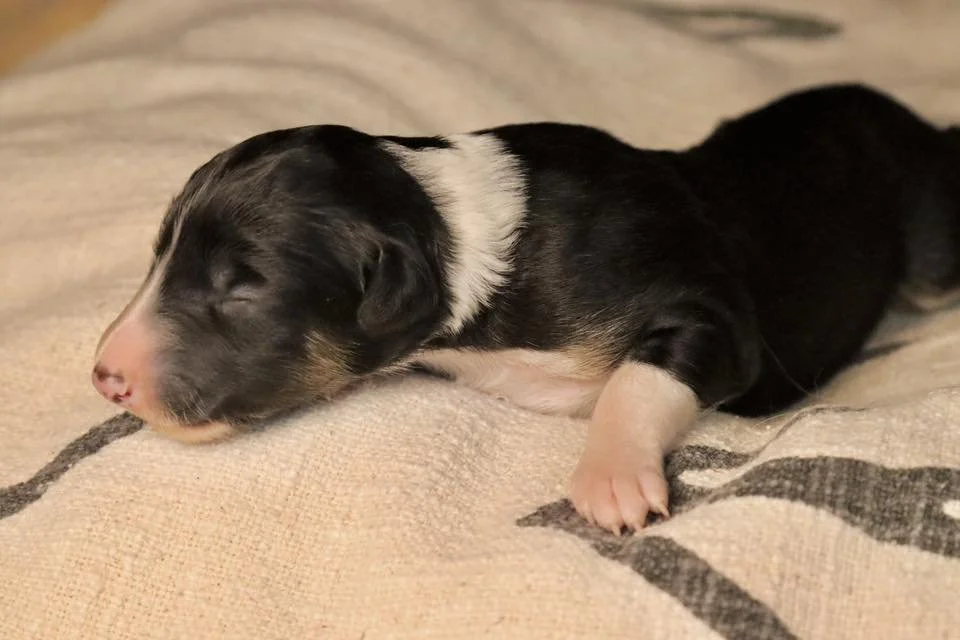
Newborn black and tan
Photo by Lara Kropp
The D locus
Dilution
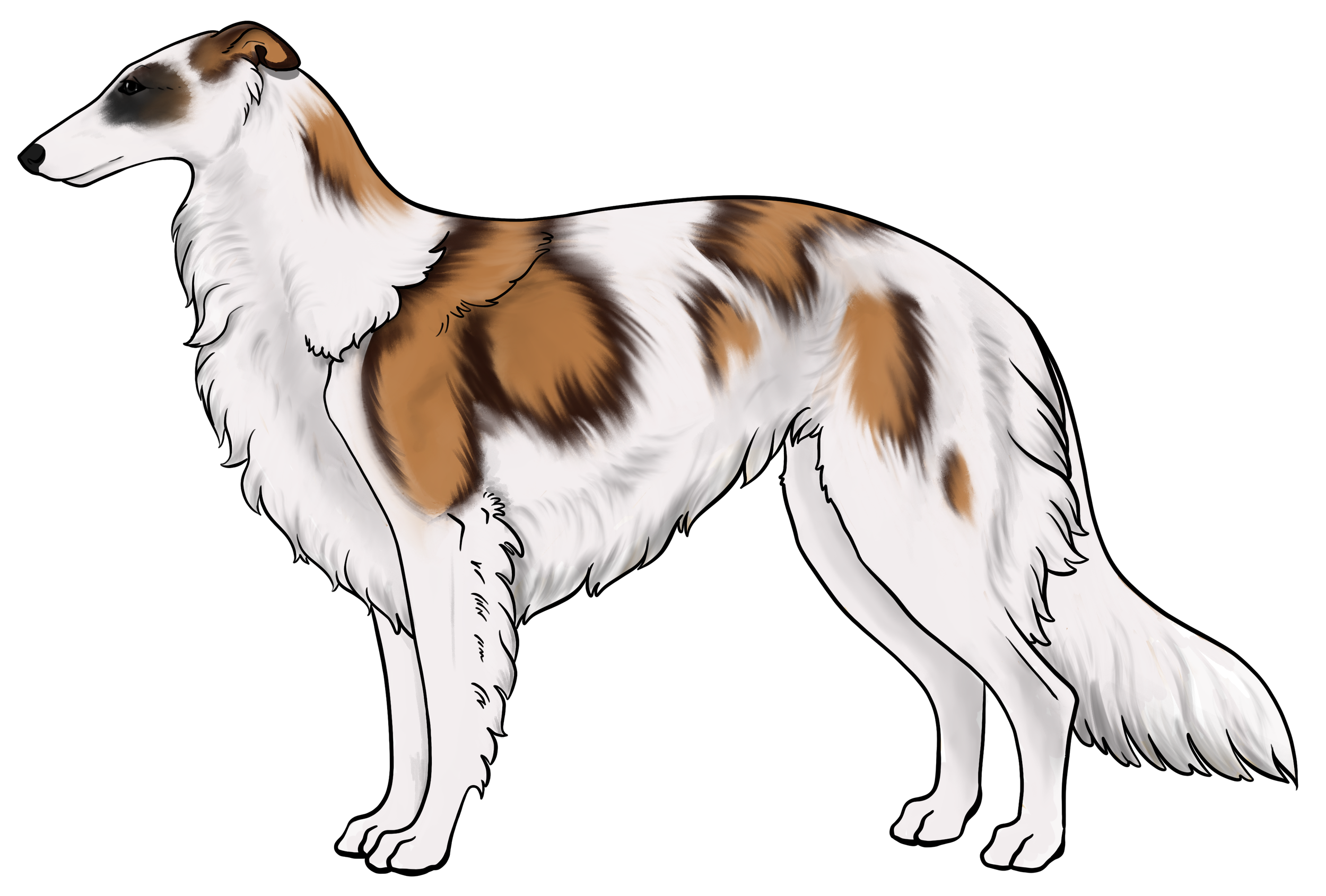
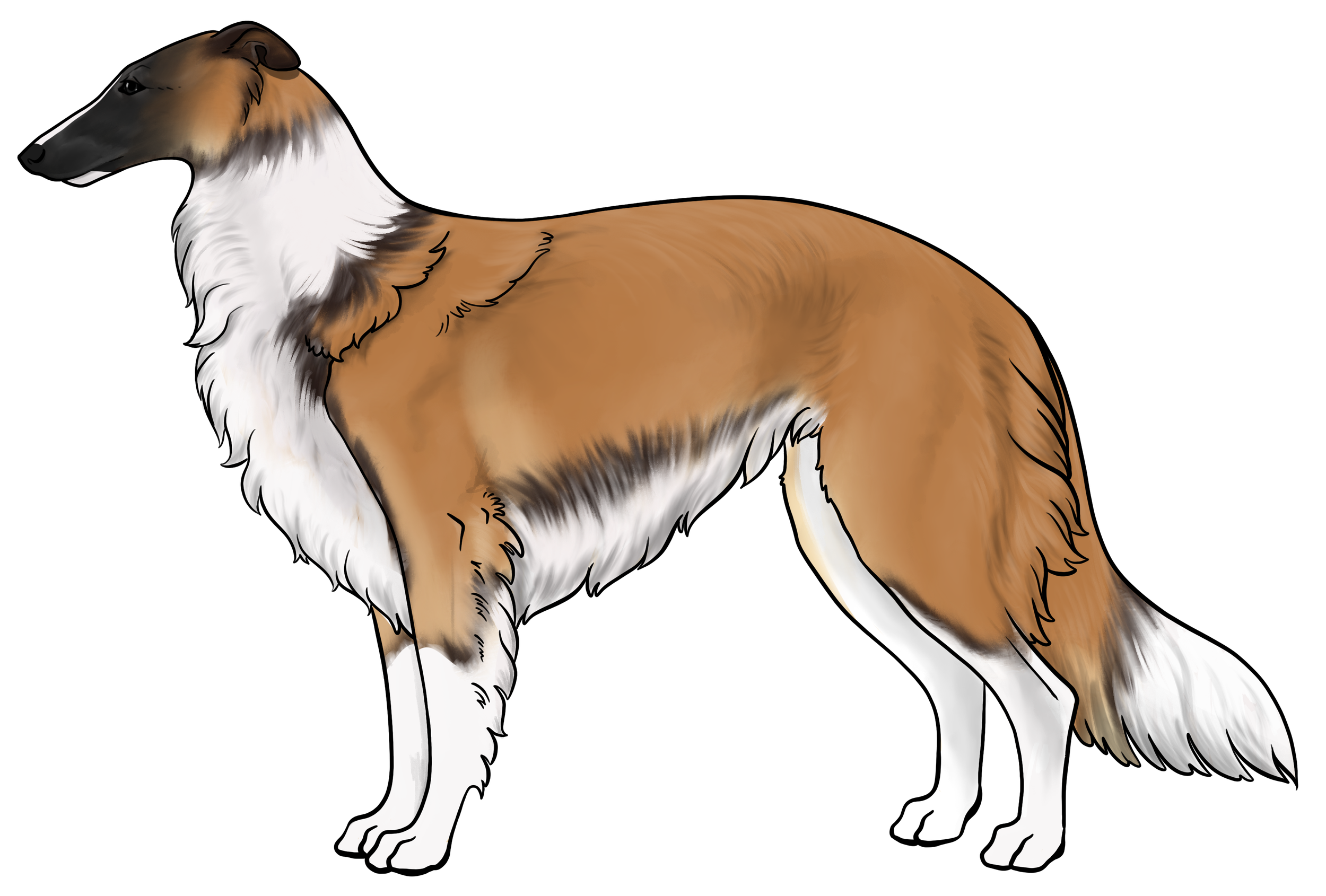
Water marking
Water mark: This phenotype is characterized by black shading that borders some or all of the white pattern edges. The specific gene that creates watermarking is unknown, but we do know that it requires masking (Em), shaded yellow/sable (Ay, ASIPsy), and some degree of white. It is most prominent on a spotted dog, but is visible on irish marks too. Occasionally it can be seen on a brindle coat, however it is harder to differentiate the stripe pattern from the watermarking. It is thought that the masking needs to be extensive, but there are examples of watermarked dogs in other breeds who have minimal masks.
Tests as: RequiresEm/- and Ay/- (ASIPsy) but watermarking is an unknown allele at this time.
Register as:
AKC: [Marking] 119 Water Marked
ISWS:
UKC:
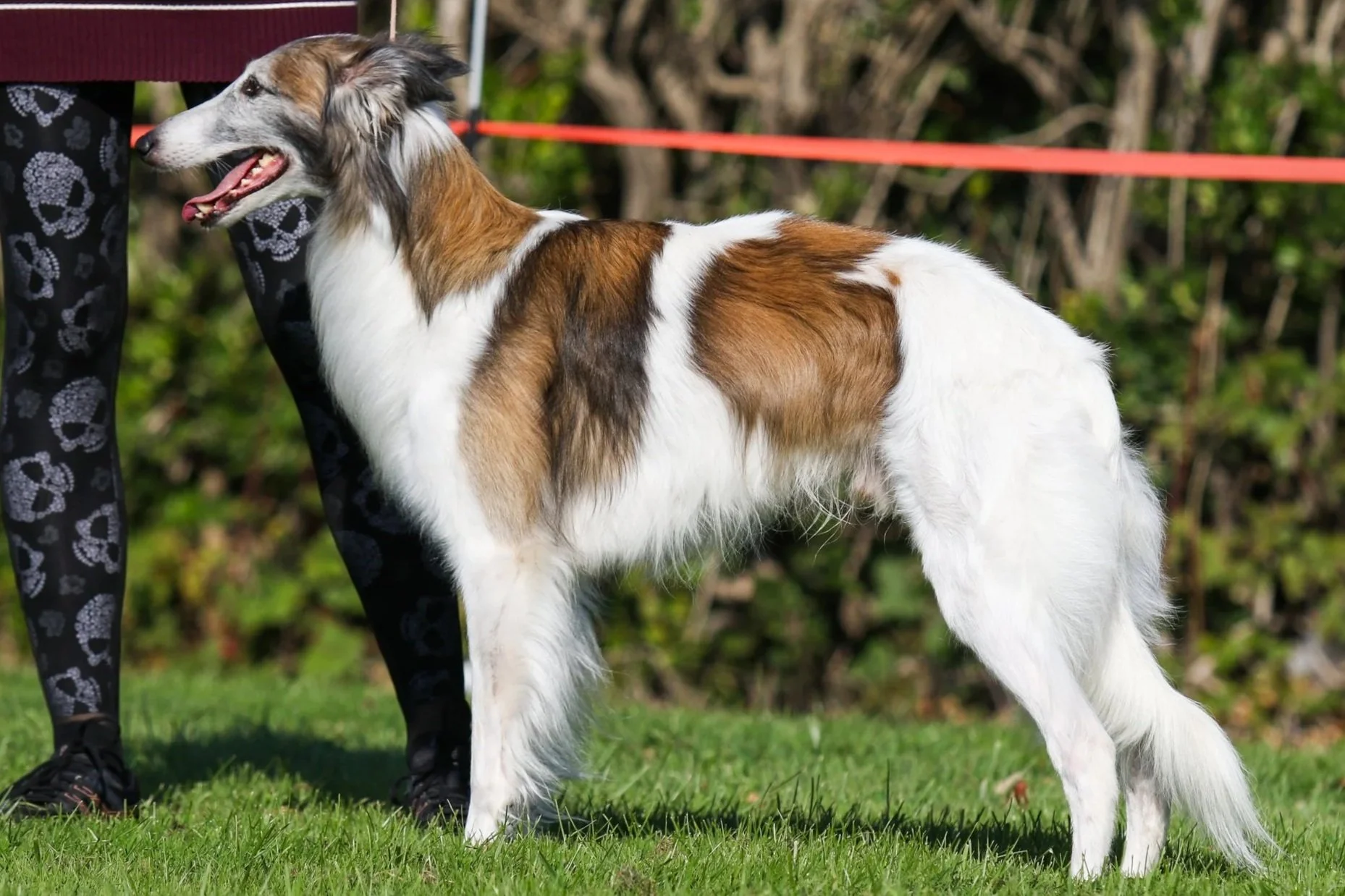
Watermark with spots
Photo by Ashley Cirimeli
Counter Shading
Counter shading: description
Tests as: unknown
Register as: Does not influence registration
Counter shading
Photo by Ash Hill
Greying Pattern
Greying: description
Tests as: unknown
Register as: Does not influence registration
Colors That Don’t Exist in Silken Windhounds
While the Silken Windhound breed standard allows for any color or combination of colors, their gene pool does not have several colors that exist in some other breeds. These colors are:
Merle in any length, m/m
Merle variants such as Harlequin, Tweed
Frenchie Cocoa
Liver/Chocolate b/b
Panda (KIT)
Agouti/Wolf Sable (Aw)
Recessive Black (a/a)
Husky/Northern/Ancient Domino (eA)
Cocker Spaniel Sable (eH)
Albino (C)
Roaning (Tr)
Oddities
Genetics don’t always play by the rules! In a breed with so many acceptible colors, we occasionally find phenotypes that don’t match genotypes, or unusual expressions of genotypes. Here are some fun examples:
Registration Suggestions by Full Genotype
007 Black
KB/KB Em/Em Ay/Ay
KB/KB Em/Em Ay/at
KB/KB Em/Em at/at
KB/KB Em/E Ay/Ay
KB/KB Em/E Ay/at
KB/KB Em/E at/at
KB/KB E/E Ay/Ay
KB/KB E/E Ay/at
KB/KB E/E at/at
KB/KB Em/eg Ay/Ay
KB/KB Em/eg Ay/at
KB/KB Em/eg at/at
KB/KB E/eg Ay/Ay
KB/KB E/eg Ay/at
KB/KB E/eg at/at
KB/KB Em/e Ay/Ay
KB/KB Em/e Ay/at
KB/KB Em/e at/at
KB/KB E/e Ay/Ay
KB/KB E/e Ay/at
KB/KB E/e at/at
KB/ky (not brindle) Em/Em Ay/Ay
KB/ky (not brindle) Em/Em Ay/at
KB/ky (not brindle) Em/Em at/at
KB/ky (not brindle) Em/E Ay/Ay
KB/ky (not brindle) Em/E Ay/at
KB/ky (not brindle) Em/E at/at
KB/ky (not brindle) E/E Ay/Ay
KB/ky (not brindle) E/E Ay/at
KB/ky (not brindle) E/E at/at
KB/ky (not brindle) Em/eg Ay/Ay
KB/ky (not brindle) Em/eg Ay/at
KB/ky (not brindle) Em/eg at/at
KB/ky (not brindle) E/eg Ay/Ay
KB/ky (not brindle) E/eg Ay/at
KB/ky (not brindle) E/eg at/at
KB/ky (not brindle) Em/e Ay/Ay
KB/ky (not brindle) Em/e Ay/at
KB/ky (not brindle) Em/e at/at
KB/ky (not brindle) E/e Ay/Ay
KB/ky (not brindle) E/e Ay/at
KB/ky (not brindle) E/e Ay/at
057 Brindle
KB/ky (brindle) E/E Ay/Ay
KB/ky (brindle) E/E Ay/at
KB/ky (brindle) E/eg Ay/Ay
KB/ky (brindle) E/eg Ay/at
KB/ky (brindle) E/e Ay/Ay
KB/ky (brindle) E/e Ay/at
008 Black and Brindle
KB/ky (brindle) E/E at/at
KB/ky (brindle) E/eg at/at
KB/ky (brindle) E/e at/at
057 Brindle 004 Black Mask
KB/ky (brindle) Em/Em Ay/Ay
KB/ky (brindle) Em/Em Ay/at
KB/ky (brindle) Em/E Ay/Ay
KB/ky (brindle) Em/E Ay/at
KB/ky (brindle) Em/eg Ay/Ay
KB/ky (brindle) Em/eg Ay/at
KB/ky (brindle) Em/e Ay/Ay
KB/ky (brindle) Em/e Ay/at
008 Black and Brindle 004 Black Mask
KB/ky (brindle) Em/Em at/at
KB/ky (brindle) Em/E at/at
KB/ky (brindle) Em/eg at/at
KB/ky (brindle) Em/e at/at